How to Identify the Canadian Five Cents (Nickel)
A collector's checklist for pinning down a Canadian nickel by its beaver reverse, monarch portrait, size, and composition era.
Read the full Canadian Five Cents (Nickel) encyclopedia entry →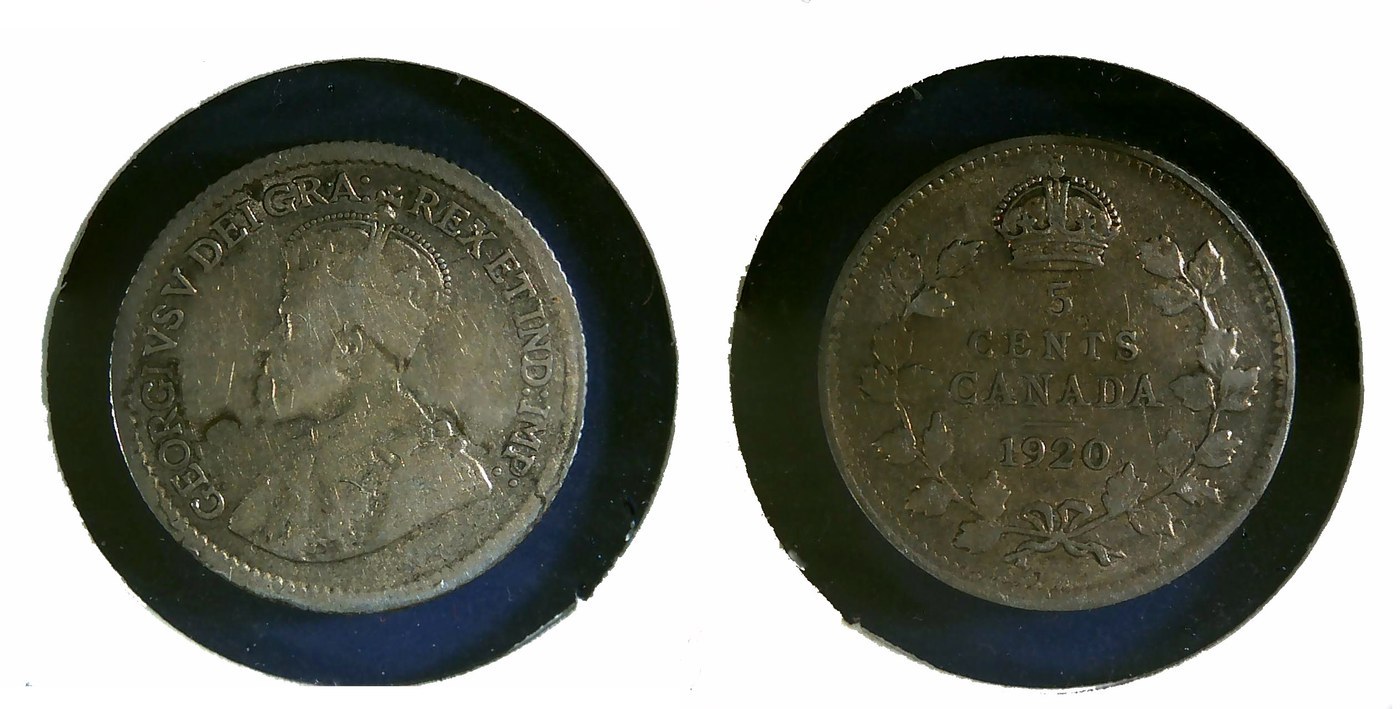
Start with the beaver. The single most reliable marker of the Canadian five-cent coin is the Kruger Gray beaver on a log or mound with CANADA above and 5 CENTS with the date below. If your coin shows this animal and denomination, you have the right type; the 1987 example pictured is a standard beaver issue.
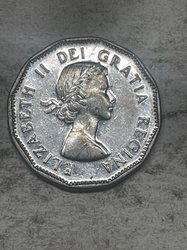
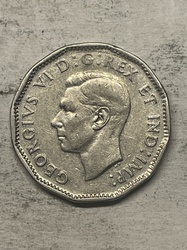
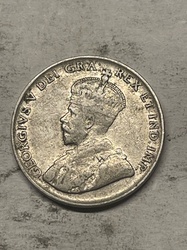
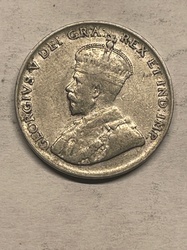
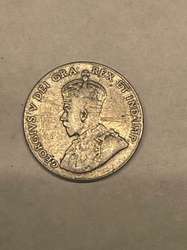
Read the portrait to narrow the date. The other side shows Queen Elizabeth II with the legend ELIZABETH II D.G. REGINA. The tiara-wearing effigy places a coin between 1965 and 1989, so a 1987 date fits that window. Earlier coins may show a younger laureate portrait, and coins from 1990 onward use a newer, older-looking effigy, which is a quick way to confirm the era at a glance.
Check size and shape. The modern Canadian nickel is round, about 21.2 mm across and roughly 4.6 grams. Be aware that some wartime and mid-century Canadian five-cent coins were twelve-sided rather than round; a round planchet is normal for 1987 and rules out those earlier variants.
Use a magnet to test the composition era. Pure-nickel coins struck through 1981 are strongly magnetic. The cupronickel coins of 1982 through 1999, including this 1987 piece, are not magnetic, while the nickel-plated steel coins from 2000 onward are magnetic again. Matching the magnet result to the date is a fast authenticity and dating cross-check.
Watch for look-alikes and altered coins. The Canadian five cents can be confused at a glance with other small copper-nickel coins, so always read the CANADA legend and the beaver design to confirm. With any coin, be cautious of re-cut or tooled dates and of cleaned surfaces; compare the date's font and spacing against a known-genuine example before assuming a scarce variety.
Frequently asked questions
How can I tell which composition my Canadian nickel is?
Use the date and a magnet. Coins through 1981 are pure nickel and strongly magnetic; 1982–1999 coins are non-magnetic cupronickel; 2000-onward coins are magnetic nickel-plated steel. A 1987 coin is non-magnetic cupronickel.
Is my Canadian five-cent coin round or twelve-sided?
Modern coins like the 1987 issue are round, about 21.2 mm across. Some earlier Canadian five-cent coins from the wartime and mid-century periods were twelve-sided, so shape helps place the era.
How do I date a Canadian nickel from the portrait?
The tiara-crowned Elizabeth II effigy was used from 1965 to 1989. A younger laureate portrait indicates an earlier coin, and a newer, more mature effigy indicates 1990 or later. The date itself sits below the beaver on the reverse.
Canadian Five Cents (Nickel) identified by the community
Recent Canadian Five Cents (Nickel) coins identified with Coin Identifier.