
Coin Encyclopedia
Search and identify coins from around the world — with country, denomination, metal, mint, history, and how to tell them apart.
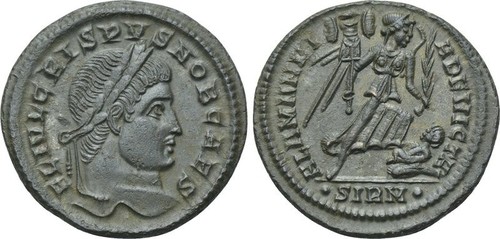
Follis of Crispus
A small bronze follis of Crispus, eldest son of Constantine the Great, with his diademed bust and a winged Victory reverse (317-326 AD).
Ancient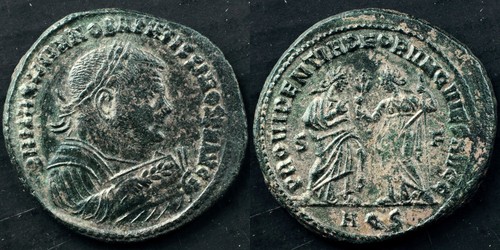
Follis of Maximian
A large silvered-bronze follis of the emperor Maximian, introduced with Diocletian's coin reform of the Tetrarchy around AD 294.
Ancient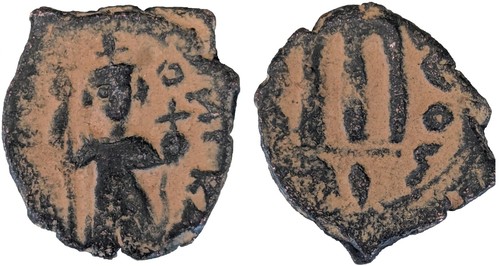
Byzantine Follis
Large bronze follis of the Byzantine Empire, this example under Constans II (from 641 AD), with an imperial portrait and a big M value mark topped by a cross.
Medieval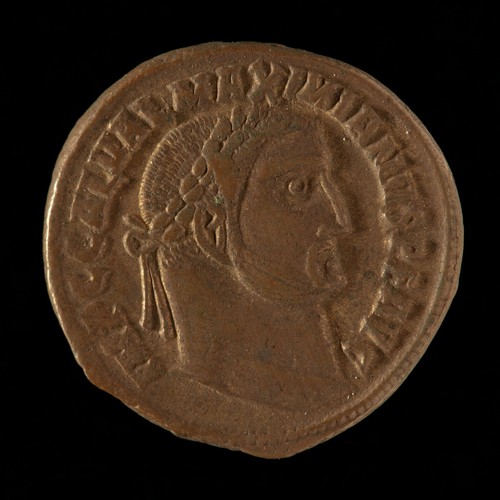
Follis of Galerius
A large silvered bronze follis of the emperor Galerius (Augustus AD 305-311), struck across the Tetrarchic mints with a laureate portrait and a standing deity reverse.
Ancient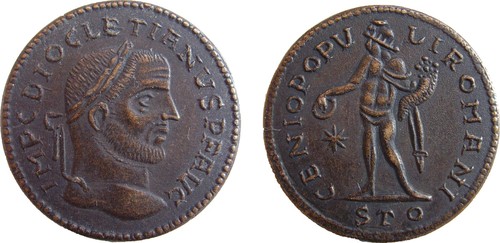
Follis of Diocletian
A large silver-washed bronze coin of the Tetrarchy, introduced by Diocletian's currency reform around AD 294 with a stern laureate portrait.
Ancient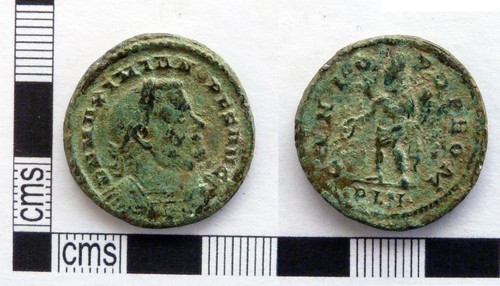
Roman Follis (AE3)
A small late Roman bronze follis of the Constantine I era (AD 320-330), with an emperor's profile obverse and a Victory or vota-in-wreath commemorative reverse.
Ancient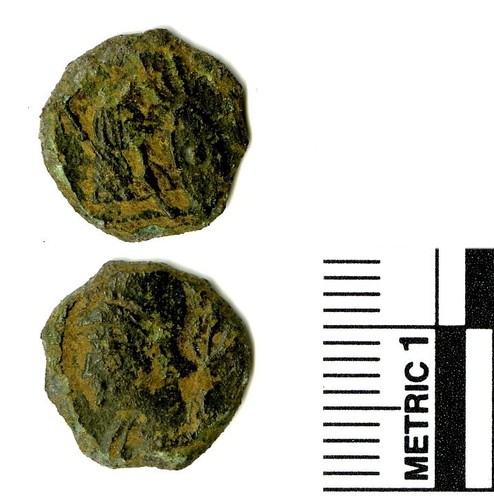
Commemorative Follis of Constantinople
Bronze city-commemorative of Constantine's era (330-340 AD): helmeted Constantinopolis on the obverse, a Victory standing on a ship's prow on the reverse.
Ancient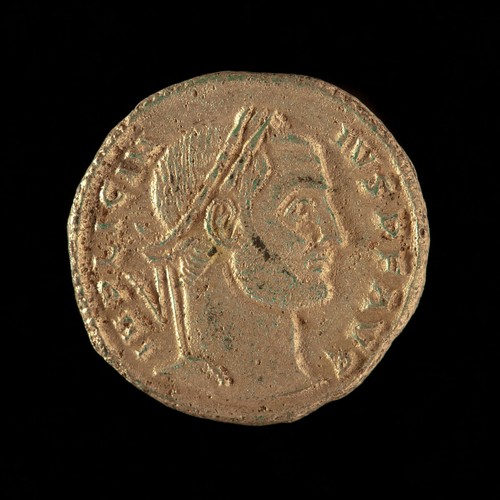
Follis of Licinius I
A small bronze follis of the emperor Licinius I (AD 308-324), showing his portrait and a standing deity reverse, struck around AD 320-321.
Ancient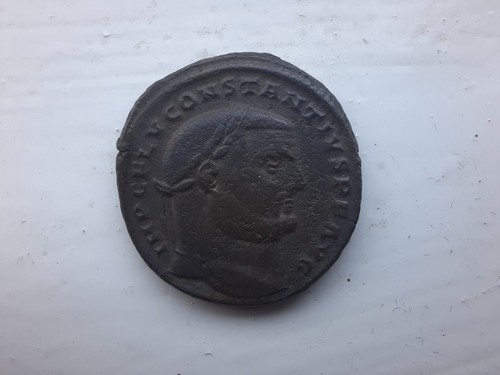
Follis of Constantius Chlorus
Large silvered-bronze follis of Constantius I (Chlorus), the Tetrarchic emperor and father of Constantine, showing his laureate portrait facing right.
Ancient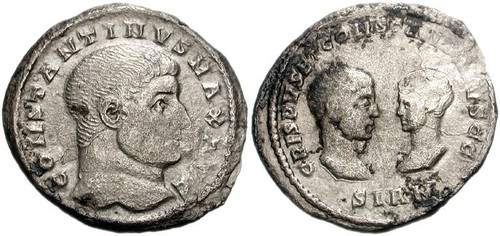
Follis of Constantine I and Crispus
A late-Roman bronze follis linking Constantine the Great to his son Crispus, with the emperor's right-facing portrait and a paired father-and-son bust reverse.
Ancient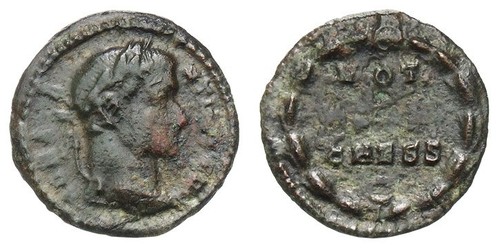
Nummus of Constantine I
Small late Roman bronze nummus (follis) of Constantine I the Great (306-337 CE), identified by his right-facing imperial portrait on the obverse.
Ancient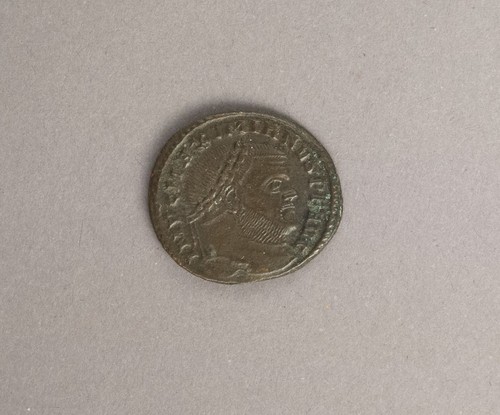
Nummus of Maximianus
A late-Roman bronze nummus (follis) of the emperor Maximianus, with his right-facing laureate portrait and a standing deity on the reverse.
Ancient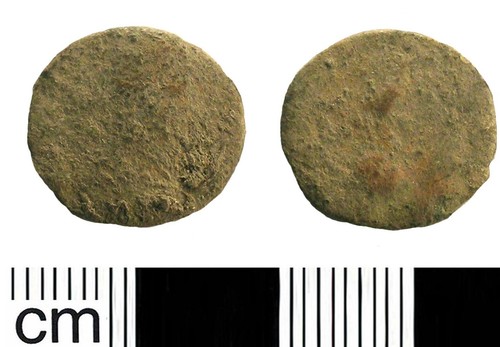
Half Centenionalis of Constans or Constantius II
A small mid-4th-century Roman bronze attributed to Constans or Constantius II, sons of Constantine the Great, worn but identifiable by its imperial portrait and era.
Ancient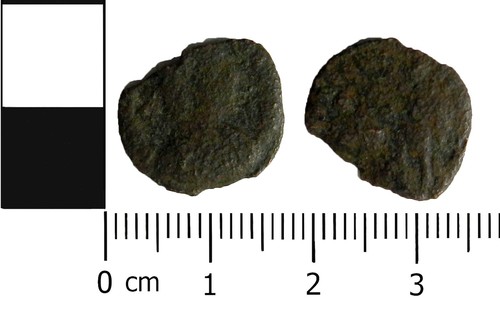
Roman Centenionalis
A small fourth-century Roman bronze coin, part of the reformed low-value currency struck across the empire's mints during a period of frequent monetary change.
Ancient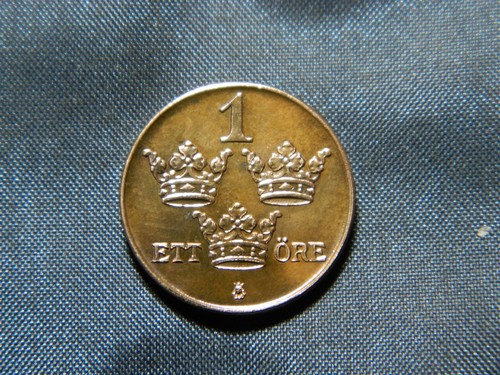
1 Öre
A small copper 1 öre of Sweden dated 1873, with a left-facing profile of King Oscar II, the legend SVERIGE OCH NORGE, and the value in a laurel wreath.
Modern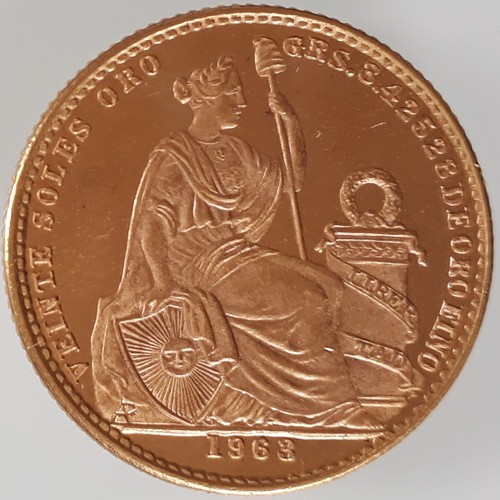
20 Soles de Oro
A Peruvian gold 20 soles de oro showing a seated Liberty with crown, torch and radiant sun, part of Peru's mid-20th-century gold coinage.
Circulation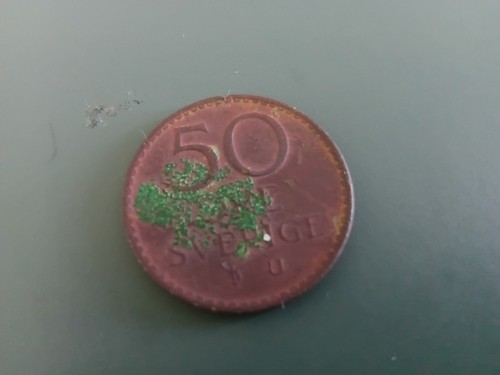
50 Öre (Silver)
A small Swedish silver 50 ore of the Oscar II era, dated 1898, with the value and date in a laurel wreath on one side and the crowned Swedish arms on the other.
Modern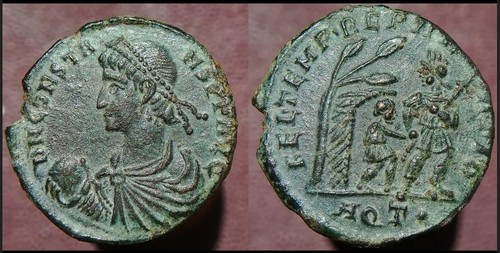
Centenionalis of Constans
A mid-4th-century Roman bronze of Constans bearing the FEL TEMP REPARATIO reform reverse, showing a soldier lifting a small captive from a hut.
Ancient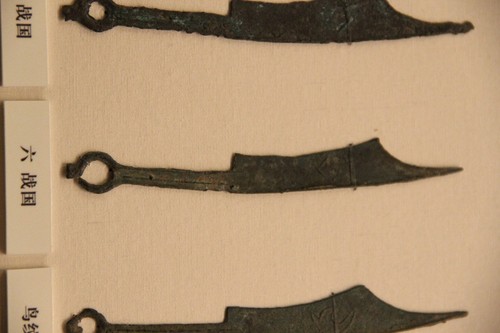
Warring States Knife Coin
A cast bronze knife coin (dao bi) of China's Warring States period, shaped like a small blade with a ringed handle and cast inscriptions.
Ancient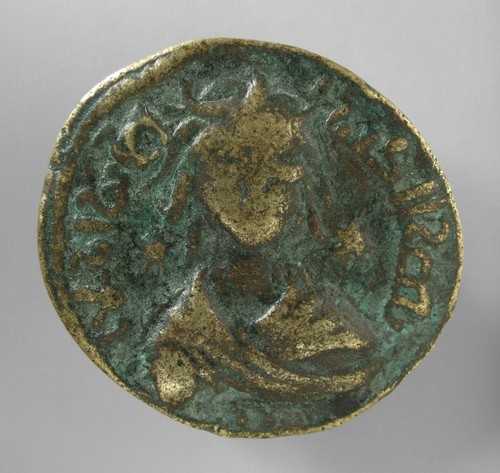
Artuqid Bronze Dirham
A 12th-century bronze coin of the Artuqid Turkmen dynasty, struck with Arabic inscriptions inside ornamental borders across eastern Anatolia.
Medieval Islamic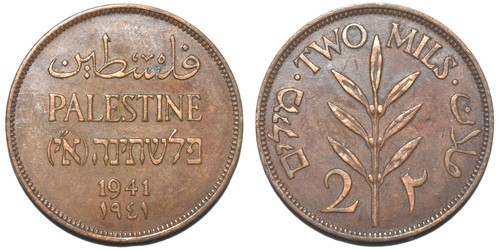
Palestine 2 Mils
A small bronze coin of British Mandate Palestine, inscribed PALESTINE in English, Arabic and Hebrew, with an olive sprig above the TWO MILS value.
World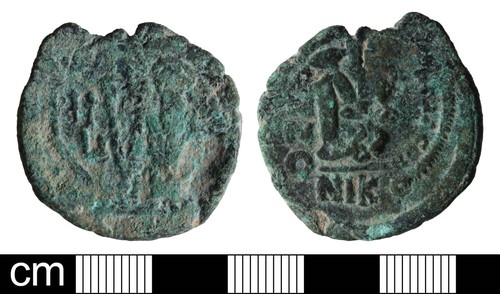
Byzantine Nummus of Tiberius Constantine
A small bronze coin of Byzantine emperor Tiberius II Constantine (AD 578-582), with an imperial portrait or inscription and a mark of value or monogram.
Ancient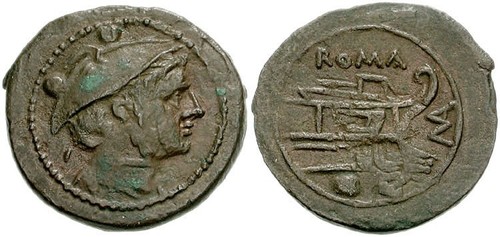
Manlius Vulso Æ Sextans
Small Roman Republican bronze sextans signed by the moneyer Manlius Vulso, with a capped male head and the classic prow reverse marked ROMA.
Ancient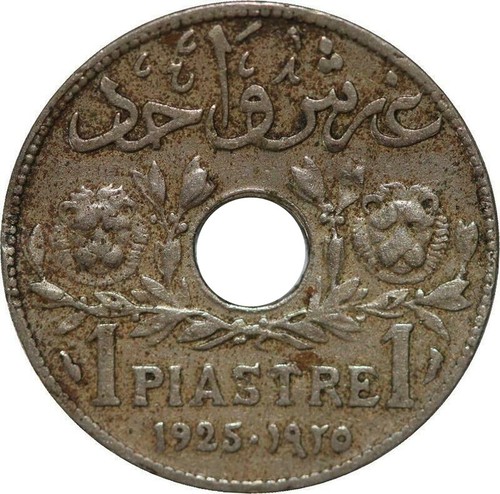
Lebanese 1 Piastre
A small holed bronze 1 Piastre of Greater Lebanon dated 1925, struck under the French Mandate, with bilingual legends and an ornamental wreath framing the value.
World