
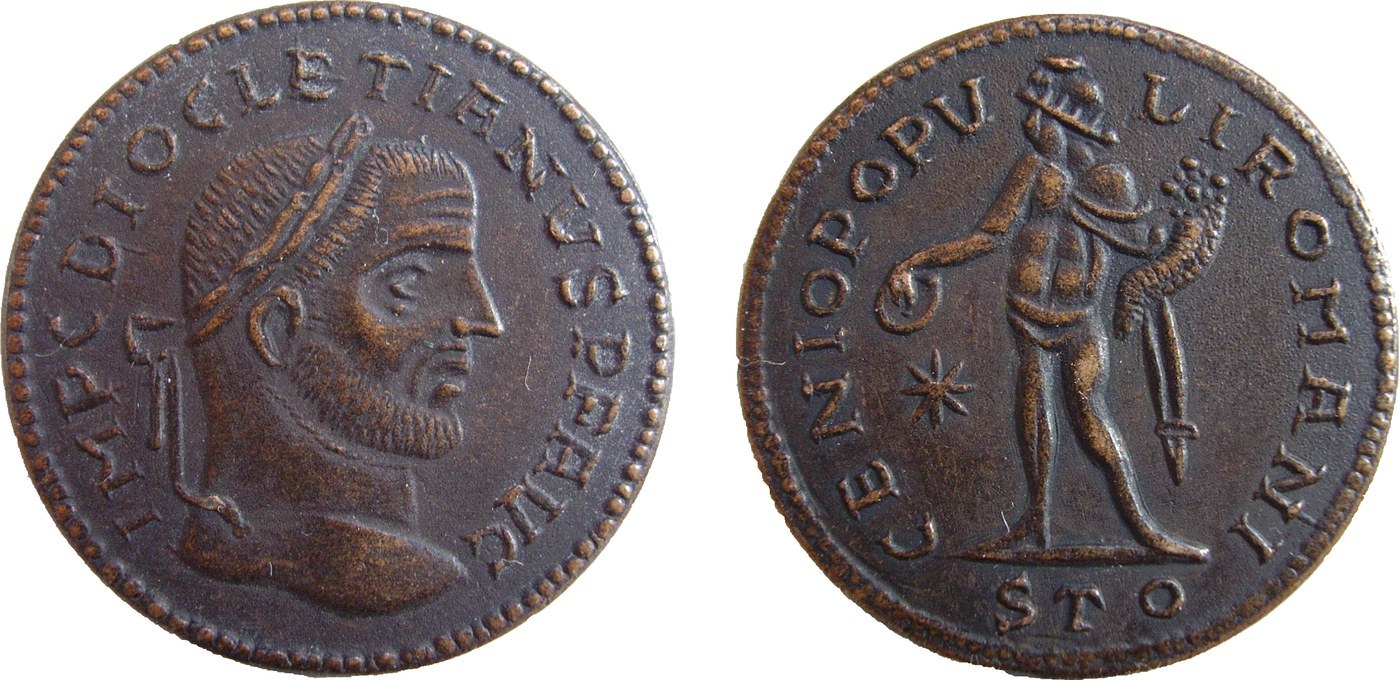
Follis of Diocletian
A large silver-washed bronze coin of the Tetrarchy, introduced by Diocletian's currency reform around AD 294 with a stern laureate portrait.
- Country
- Roman Empire
- Denomination
- Follis
- Metal
- Bronze
Got a coin like this?
Identify any coin from a photo, free.
Overview
The follis is a large bronze coin introduced by the emperor Diocletian as part of the sweeping monetary reform of around AD 294. It replaced the small, badly debased radiate coins of the later third century with a broad, heavy piece originally coated in a thin silver wash, giving it a bright appearance when new.
On examples of this type the obverse shows a laureate, cuirassed bust of Diocletian facing right with a Latin legend naming him, most often in the form IMP C DIOCLETIANVS P F AVG. The reverse typically carries a standing deity or personification. By far the most common reverse of the reform coinage is the Genius of the Roman People, shown as a standing male figure with the legend GENIO POPVLI ROMANI, though other reverses such as Sacred Moneta also occur.
Struck across the empire's network of imperial mints between about AD 295 and Diocletian's abdication in AD 305, the follis is one of the most widely available large bronzes of the Roman world and a popular entry point into Tetrarchic coinage.
History & Background
By the time Diocletian took power in AD 284, decades of inflation had reduced the old silver-washed radiate to a small, nearly worthless token. Diocletian responded with a broad reform of the coinage, introduced around AD 294, that created a new large bronze denomination modern scholars call the follis (its exact ancient name is debated). The coin was struck on a wide flan, weighed roughly ten grams at introduction, and carried a surface layer of silver to distinguish it in value.
The reform coincided with Diocletian's reorganization of the empire under the Tetrarchy, a system of four co-rulers, and with an expanded and standardized network of mints stretching from Trier and London in the west to Antioch and Alexandria in the east. Coins were struck for all members of the imperial college, so folles of Maximian, Constantius, and Galerius closely parallel those of Diocletian.
Despite these measures, prices continued to rise, prompting Diocletian's famous Edict on Maximum Prices in AD 301. The follis was gradually reduced in size and silver content over the following years. Diocletian abdicated in AD 305, and the denomination continued, ever smaller, under his successors.
How to Identify
Begin with the portrait and legend. The obverse of a Diocletian follis shows a laureate (wreath-crowned) head or cuirassed bust facing right, with a heavy, blunt-featured style typical of Tetrarchic art. The surrounding legend names the emperor, usually reading IMP C DIOCLETIANVS P F AVG or a close variant; reading DIOCLETIANVS in the legend is the surest confirmation of the ruler.
The reverse most often shows the Genius of the Roman People: a nearly nude standing male figure wearing a modius (a small hat) on his head, holding a cornucopia in one arm and pouring a libation from a patera in the other, with the legend GENIO POPVLI ROMANI. The observed standing deity or figure matches this common type. Beneath the reverse figure, in the exergue, look for mint marks and officina letters that identify where the coin was struck.
In hand the early follis is a substantial coin, roughly 26-30 mm across and about 8-11 grams, far larger than the little radiates it replaced. The metal is bronze; most surviving examples have lost their original silvery coating and now show a brown, green, or dark patina, though traces of silvering sometimes survive in protected areas of the design.
Value & Collectibility
Folles of Diocletian are common and generally affordable, as they were produced in enormous numbers across many mints. Worn but identifiable examples often trade in the low tens of dollars, while well-centered coins with strong portraits, complete legends, and clear mint marks typically bring the mid-tens to low hundreds.
Condition and eye appeal drive value. Coins that retain a substantial portion of their original silvering, show sharp Tetrarchic portraiture, or come from scarcer mints and officinae command a premium. Attractive dark or green patinas add appeal, while rough, pitted, or heavily corroded surfaces reduce it.
The figures given here are general ranges for context, not appraisals. An individual coin's price depends on grade, surviving silvering, reverse type, mint, and provenance, and rarer combinations can sit well above these ranges.
Frequently asked questions
What is a follis?
It is the large bronze coin introduced by Diocletian's monetary reform around AD 294. It was struck on a broad flan and originally coated with a thin layer of silver, replacing the small debased radiates of the earlier third century. "Follis" is a modern name; its exact ancient name is uncertain.
What does the GENIO POPVLI ROMANI reverse mean?
It translates roughly as "to the Genius of the Roman People." The Genius is shown as a standing male figure wearing a small hat (modius), holding a cornucopia and pouring an offering from a dish. It is by far the most common reverse type on Diocletian's folles.
Why do some folles look silvery and others brown?
Every follis was originally given a thin silver wash. Most coins have lost this coating over seventeen centuries and now show bronze patina in brown, green, or dark tones, but well-preserved examples can still retain patches of the original silvering.
Are Diocletian folles rare or valuable?
They are common and were struck in huge quantities, so most are inexpensive and accessible to beginners. Value rises with condition, surviving silvering, sharp portraits, clear mint marks, and scarcer mint or reverse combinations.
Follis of Diocletian guides
In-depth guides for identifying, valuing, and collecting Follis of Diocletian.
Other coins you may enjoy
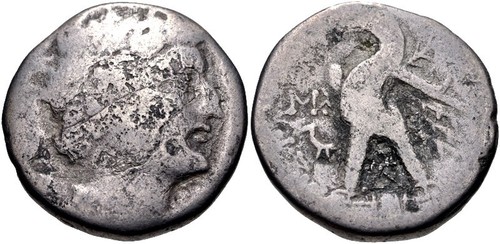
Tetradrachm of Ptolemy XII
80-51 BC
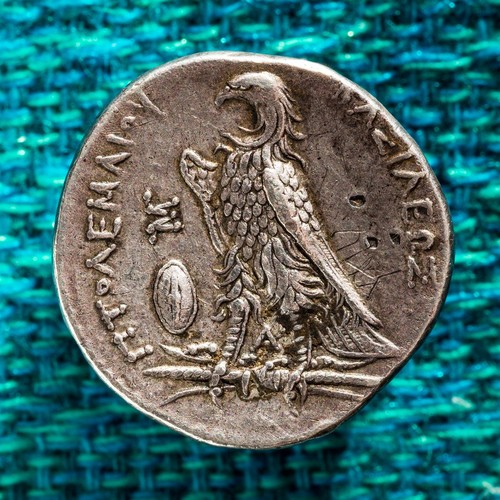
Tetradrachm of Ptolemy I
305-283 BC
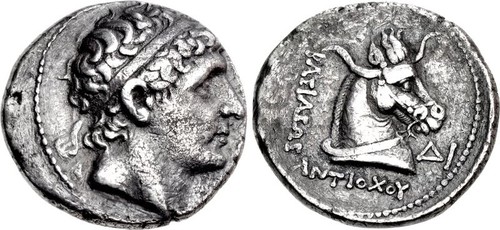
Tetradrachm of Antiochos I Soter
281-261 BC
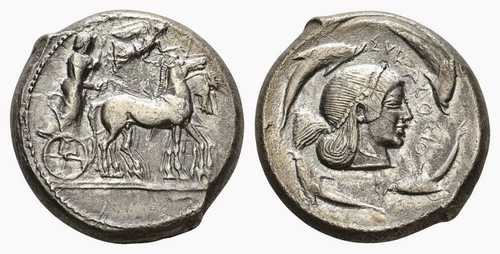
Syracuse Tetradrachm
c. 5th-4th century BC (Classical period)
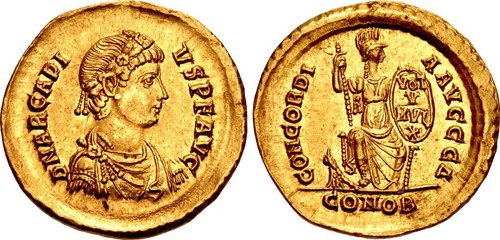
Solidus of Arcadius
AD 395-402
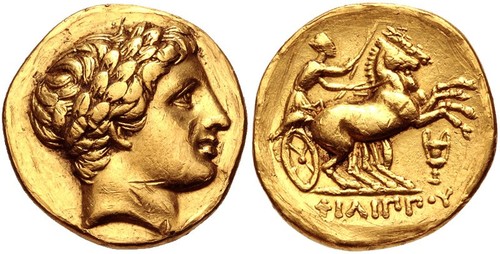
Philip III Gold Stater
323-317 BC
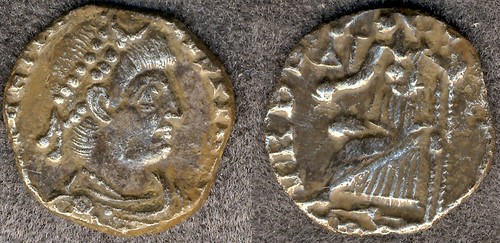
Siliqua of Gratian
AD 367-383
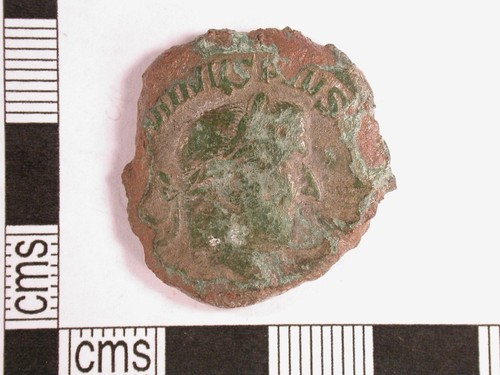
Sestertius of Maximinus Thrax
235-238 AD
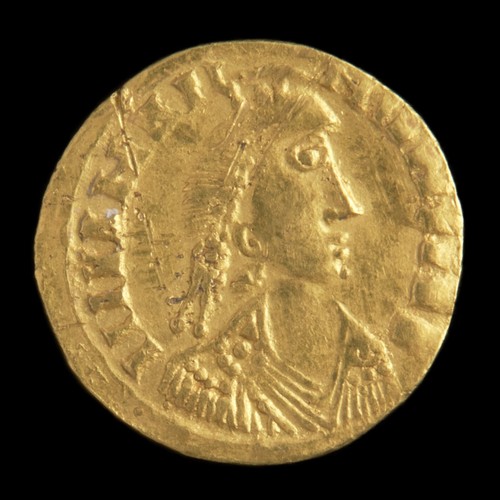
Solidus of Valentinian III
AD 425-455
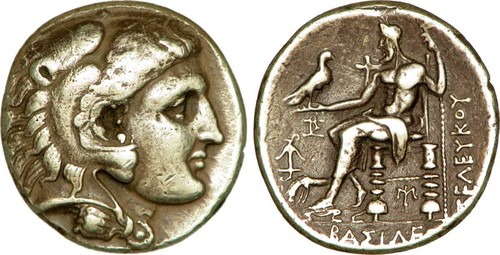
Seleucus I Nicator Tetradrachm
Late 4th-3rd century BC
Nummus of Magnentius
AD 350-353
Follis of Galerius
AD 308-310