
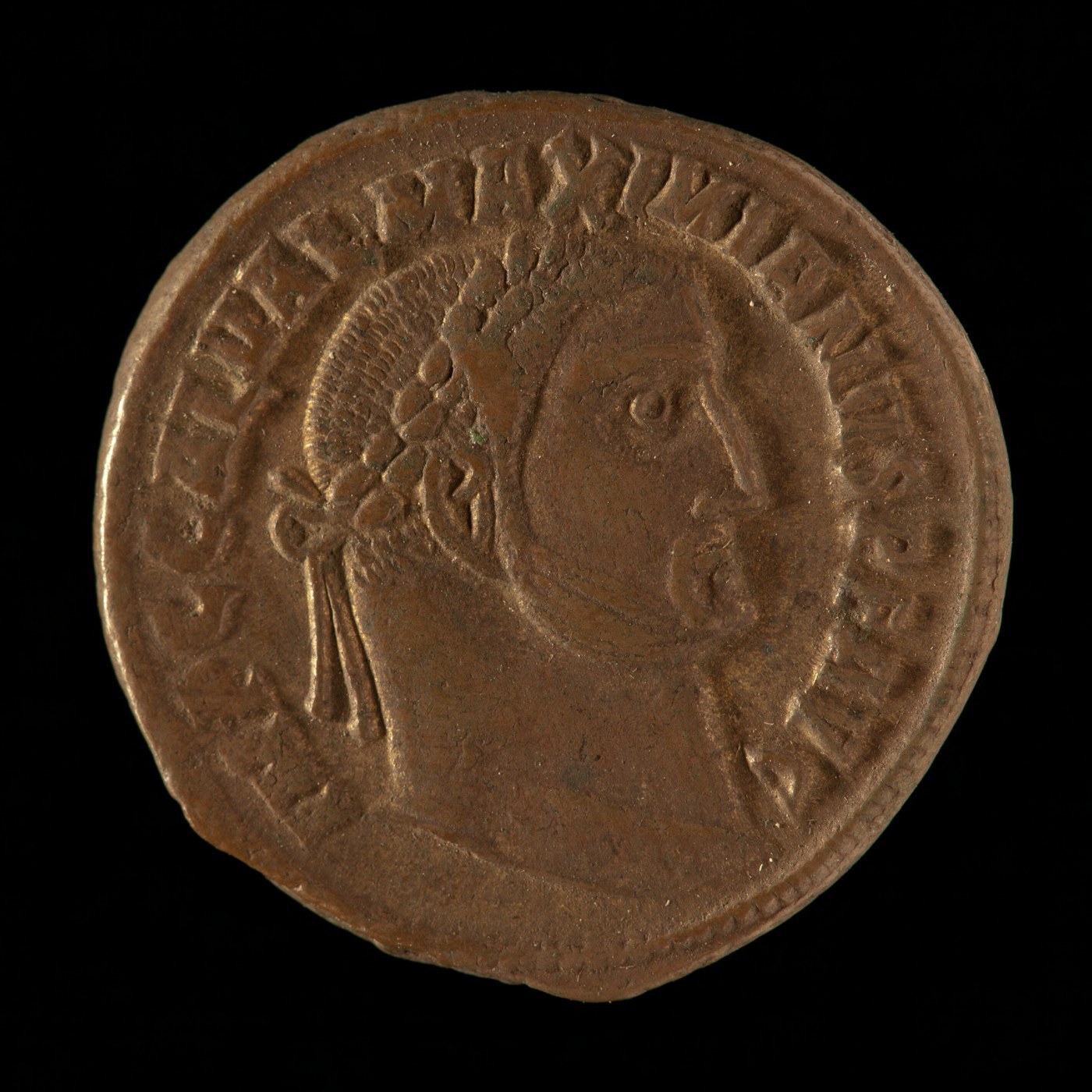
Follis of Galerius
A large silvered bronze follis of the emperor Galerius (Augustus AD 305-311), struck across the Tetrarchic mints with a laureate portrait and a standing deity reverse.
- Country
- Roman Empire
- Denomination
- Follis
- Metal
- Bronze
Got a coin like this?
Identify any coin from a photo, free.
Overview
The follis of Galerius is a large base-metal Roman coin struck during the reign of Gaius Galerius Valerius Maximianus, who ruled as Augustus of the eastern empire from AD 305 to 311. The follis (also called the nummus) was the flagship bronze denomination of the Tetrarchy, introduced by Diocletian's coin reform of the mid-290s and originally given a thin surface silvering.
The obverse of this coin shows the laureate head of Galerius facing right, encircled by a Latin legend naming the emperor. The reverse carries a standing figure, a deity or personification identified by the attributes it holds and by the accompanying legend. The example here is dated to about AD 308-310, late in Galerius's reign, by which point the follis had been reduced in size and weight from the heavy pieces of the reform's first years.
Because the Tetrarchic mints struck folles in great quantity across the whole empire, coins of Galerius survive in large numbers today and are among the more accessible large bronzes of the early fourth century.
History & Background
Galerius rose through the army to become Caesar under Diocletian in AD 293, one of the four rulers of the Tetrarchy, the power-sharing system Diocletian devised to stabilize an empire battered by the Crisis of the Third Century. When Diocletian and Maximian abdicated in AD 305, Galerius became senior Augustus in the East, and he remained a dominant figure in imperial politics until his death from illness in AD 311.
The follis was the centrepiece of Diocletian's monetary reform. Early folles of the 290s were sizeable coins of around 10 grams with a silvered surface, but successive reductions steadily shrank the denomination. By the issues of about AD 308-310 represented here, the follis was noticeably smaller and lighter than at its introduction, part of the ongoing struggle to keep the coinage in step with prices and the silver content of the alloy.
Galerius is also remembered for his role in the Great Persecution of Christians launched in AD 303, and, near the end of his life, for the Edict of Serdica in AD 311 that granted a measure of toleration. His coinage was produced at the many mints of the Tetrarchic system, giving rise to numerous regional varieties in legend, portrait, and mint marking.
How to Identify
Attribution starts with the obverse legend. Galerius's folles name him with elements such as MAXIMIANVS, most often in forms like IMP C GAL VAL MAXIMIANVS P F AVG or GAL VAL MAXIMIANVS. Because he shared the name Maximianus with his western colleague Maximian Herculius, the abbreviations GAL VAL (Galerius Valerius) are the key to separating the two. The portrait is a laureate head facing right, typically with the heavy, blocky, short-bearded features characteristic of Tetrarchic style.
The reverse shows a standing figure whose identity is set by its attributes and legend. The commonest Tetrarchic reverse is the Genius of the Roman People, a semi-nude male standing figure holding a patera (a shallow dish) from which he pours a libation and a cornucopia, under a legend such as GENIO POPVLI ROMANI or GENIO IMPERATORIS. Other late issues show figures such as Sol, Providentia, or a comparable personification; matching the attribute the figure holds to the surrounding legend is how the specific type is identified.
In hand a follis of this period is a substantial bronze coin, roughly 24-27 mm across and generally in the region of 6-8 grams for issues of about AD 308-310, though weights vary with the mint and the point in the reduction. Fresh examples may retain traces of the original silvering; where it has worn the surface is brown or olive bronze. Look in the reverse field and exergue for mint marks and officina letters, which place the coin to a specific mint and workshop.
Value & Collectibility
Folles of Galerius are common and generally affordable, reflecting the large output of the Tetrarchic mints. Worn or ordinary examples frequently trade in the low tens of dollars, while well-struck coins with sharp portraits, complete legends, and surviving original silvering can bring higher figures into the middle tens or beyond.
Value is influenced by the strength of the strike, the amount of silvering that remains, the rarity of the particular reverse type and mint, and overall eye appeal. Scarcer legends, unusual portrait or reverse varieties, and coins from less common mints can command premiums over the ordinary run, as can pieces with attractive surfaces and clear mint marks.
The figures here are general context rather than appraisals; condition, type, and provenance can move an individual coin outside these ranges. Precise attribution to a specific mint, officina, and reverse variety adds interest and can raise the value of a well-preserved example.
Frequently asked questions
Is the follis of Galerius made of silver?
No. The follis is a bronze coin. Early folles of the Tetrarchy were given a thin surface silvering with only a small amount of silver in the alloy, and by Galerius's later issues around AD 308-310 the coin was a base-metal piece. Any silvery appearance is a surface coating, not solid silver.
How do I tell Galerius apart from Maximian, since both are called Maximianus?
Read the full obverse legend. Galerius's coins carry the additional names GAL VAL (Galerius Valerius), as in GAL VAL MAXIMIANVS, while his western colleague Maximian Herculius is named simply MAXIMIANVS, often with HERC or the title HERCVLIVS. The extra GAL VAL is the key distinction.
What is the standing figure on the reverse?
Most often it is the Genius of the Roman People, a standing male figure holding a shallow dish (patera) and a cornucopia, under a legend such as GENIO POPVLI ROMANI. Other late issues show Sol, Providentia, or a similar personification; the attribute in the figure's hands and the legend identify which.
Are folles of Galerius rare or valuable?
They are common and usually inexpensive because the Tetrarchic mints struck them in great numbers. Scarcer reverse types, unusual mints, and coins retaining strong original silvering command higher prices, but most examples are well within reach of beginning collectors.
Follis of Galerius guides
In-depth guides for identifying, valuing, and collecting Follis of Galerius.
Other coins you may enjoy
Tetradrachm of Ptolemy XII
80-51 BC
Tetradrachm of Ptolemy I
305-283 BC
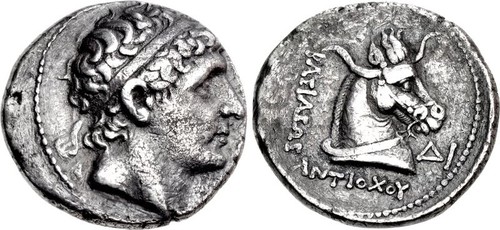
Tetradrachm of Antiochos I Soter
281-261 BC
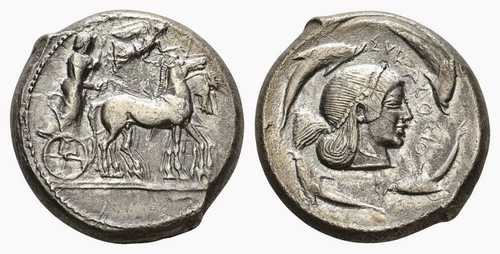
Syracuse Tetradrachm
c. 5th-4th century BC (Classical period)
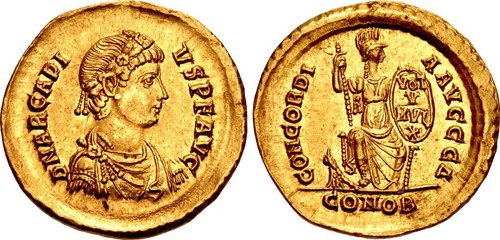
Solidus of Arcadius
AD 395-402
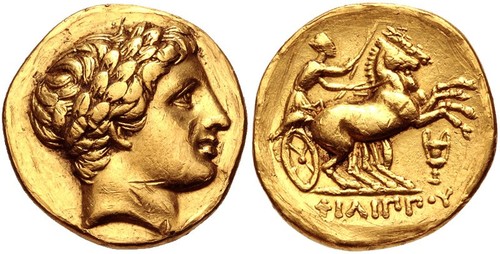
Philip III Gold Stater
323-317 BC
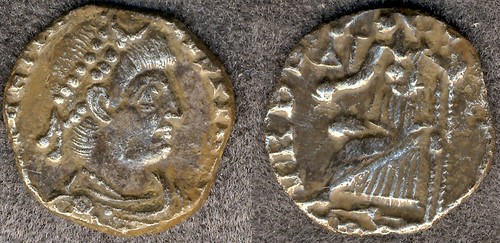
Siliqua of Gratian
AD 367-383
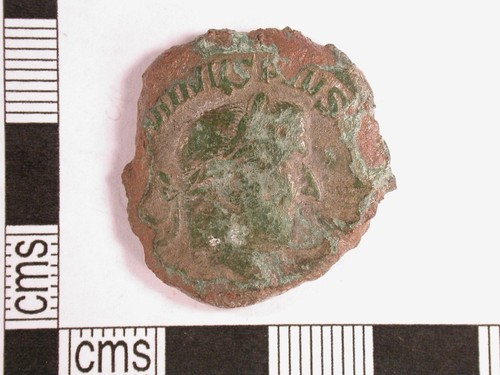
Sestertius of Maximinus Thrax
235-238 AD
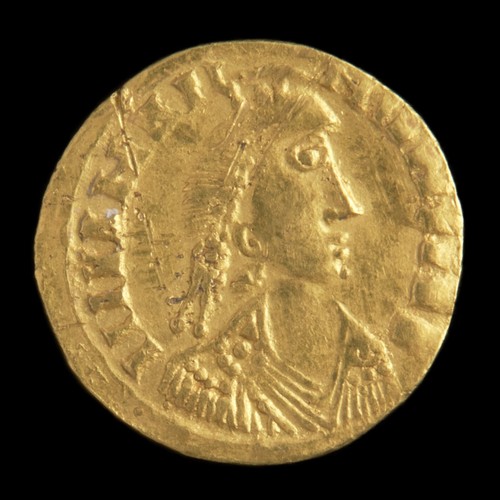
Solidus of Valentinian III
AD 425-455
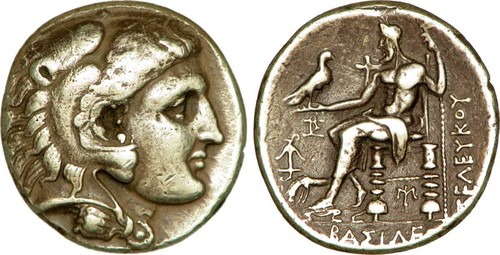
Seleucus I Nicator Tetradrachm
Late 4th-3rd century BC
Nummus of Magnentius
AD 350-353
Follis of Licinius I
AD 320-321