
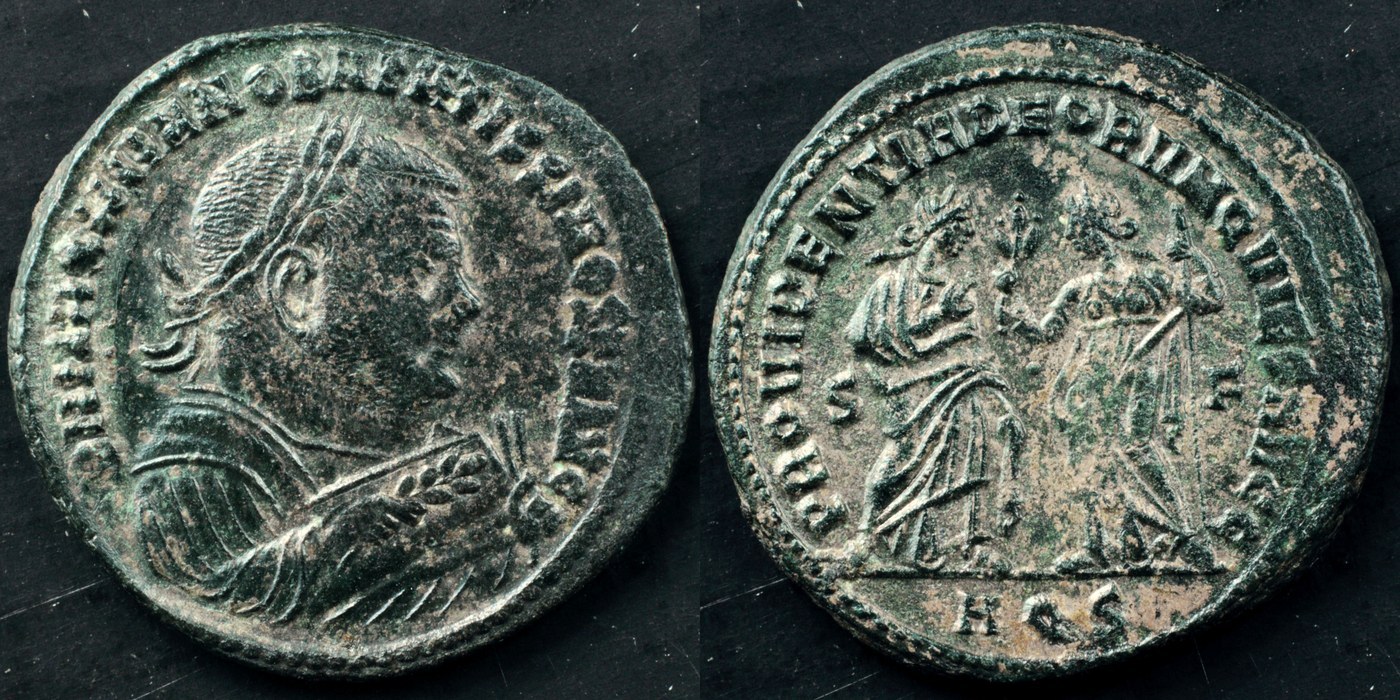
Follis of Maximian
A large silvered-bronze follis of the emperor Maximian, introduced with Diocletian's coin reform of the Tetrarchy around AD 294.
- Country
- Roman Empire
- Denomination
- Follis
- Metal
- Copper alloy (silvered)
Got a coin like this?
Identify any coin from a photo, free.
Overview
The follis is a large copper-alloy coin introduced as part of the sweeping currency reform of the emperor Diocletian, struck across the Roman Empire from about AD 294. Examples in the name of Maximian, Diocletian's co-emperor in the west (reigned AD 286-305), belong to this reform coinage and were issued from many imperial mints during the Tetrarchy.
The coin was originally a bronze piece given a thin surface coating of silver, which gave a freshly struck follis a bright, silvery appearance that wore off with handling. It is substantially larger and heavier than the debased radiate coins that preceded it, marking a deliberate return to a more substantial bronze denomination.
A follis of Maximian typically shows a laureate portrait of the emperor on the obverse with a Latin legend naming him, and a standing figure such as the Genius of the Roman People on the reverse. The name "follis" is a modern convention; the ancient name of the denomination is not securely known, and it is also called a nummus.
History & Background
Maximian was raised to the rank of Augustus by Diocletian in AD 286 to share the burden of ruling the empire, taking the western provinces while Diocletian governed the east. He adopted the title Herculius, linking himself to Hercules just as Diocletian took the title Iovius after Jupiter. In AD 293 the college of rulers was expanded into the Tetrarchy of two senior Augusti and two junior Caesars.
Around AD 294 Diocletian reformed the coinage to stabilize an economy battered by decades of debasement and inflation. The reform introduced a new large silvered-bronze coin, the follis, alongside reformed silver and gold, and standardized its production across a network of mints from Britain and Gaul to Egypt and the eastern frontier. Coins in Maximian's name were struck throughout this system during his reign as Augustus.
Maximian abdicated alongside Diocletian in AD 305, though he later attempted to return to power during the civil wars that followed the collapse of the Tetrarchy. The follis introduced under his rule continued to be struck by his successors, becoming steadily smaller and less silvered over the following decades.
How to Identify
Look first at the obverse portrait and legend. A follis of Maximian shows a laureate head or bust of the emperor facing right, usually with a Latin legend that includes his name in forms such as MAXIMIANVS or IMP C M A MAXIMIANVS P F AVG. The wreath is a laurel, not the spiked radiate crown of the earlier antoninianus.
The reverse most often shows a standing figure. The classic reform type is the Genius of the Roman People, a nearly nude male figure wearing a modius (small hat), holding a patera (offering dish) from which he pours, and a cornucopia, with the legend GENIO POPVLI ROMANI. Other standing deities and personifications also appear. A standing figure with these attributes matches the reverse observed on this coin.
In hand the early follis is a substantial coin, roughly 26-30 mm across and often around 8-11 grams, much larger than a third-century radiate. The metal is a copper alloy that was originally silvered; surviving pieces frequently show a brown or greenish patina with, at most, traces of the original silvering. The exergue (the space beneath the reverse figure) usually carries a mint mark identifying where the coin was struck.
Value & Collectibility
Folles of Maximian are among the more common and affordable large Roman bronzes, produced in quantity across many mints. Worn examples with legible legends often trade in the low tens of dollars, while sharp coins with strong portraits, complete legends, and surviving silvering typically bring the mid-tens to low hundreds.
Value is driven by the strength of the portrait, the completeness of the obverse and reverse legends, the amount of original silvering remaining, the specific mint and reverse type, and overall eye appeal. Attractive surfaces and a clear mint mark add to desirability, and unusual reverse types or scarcer mints can command a premium.
The figures given here are general ranges for context, not appraisals. Condition, mint, silvering, and provenance can move an individual coin well outside these bands, and specialist attribution to a specific mint issue can increase value.
Frequently asked questions
What is a follis?
It is a large copper-alloy coin introduced by Diocletian's currency reform around AD 294. It was originally coated with a thin layer of silver. "Follis" is a modern name; the coin's true ancient name is uncertain, and it is also called a nummus.
Who was Maximian?
Maximian was co-emperor of Rome in the west, raised to Augustus by Diocletian in AD 286 and ruling until his abdication in AD 305. He took the title Herculius and was one of the rulers of the Tetrarchy.
Why does my coin look bronze rather than silver?
The follis was a bronze coin given only a thin silver wash, which usually wore away with circulation. Most surviving examples show a brown or green patina, sometimes with faint traces of the original silvering.
Are folles of Maximian rare or valuable?
They are common and generally affordable, having been struck in large numbers across many mints. Well-preserved coins with strong portraits, full legends, and surviving silvering command higher prices, but most are accessible to beginning collectors.
Follis of Maximian guides
In-depth guides for identifying, valuing, and collecting Follis of Maximian.
Other coins you may enjoy
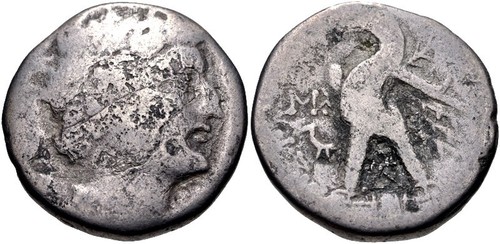
Tetradrachm of Ptolemy XII
80-51 BC
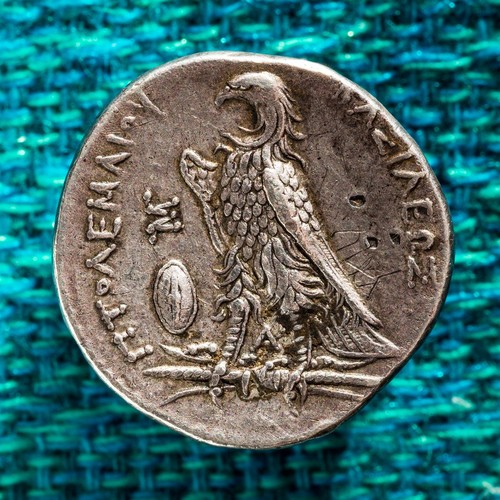
Tetradrachm of Ptolemy I
305-283 BC
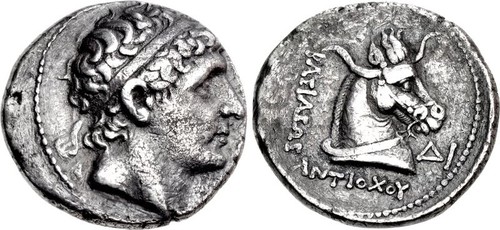
Tetradrachm of Antiochos I Soter
281-261 BC
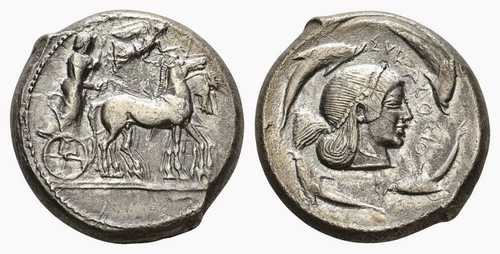
Syracuse Tetradrachm
c. 5th-4th century BC (Classical period)
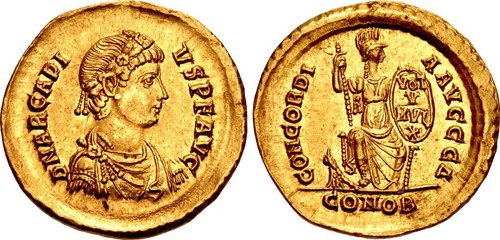
Solidus of Arcadius
AD 395-402
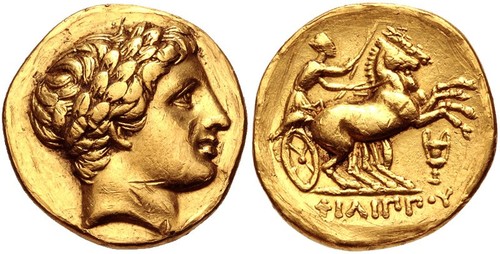
Philip III Gold Stater
323-317 BC
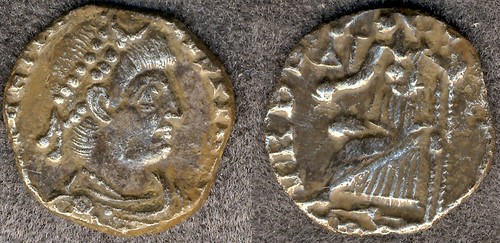
Siliqua of Gratian
AD 367-383
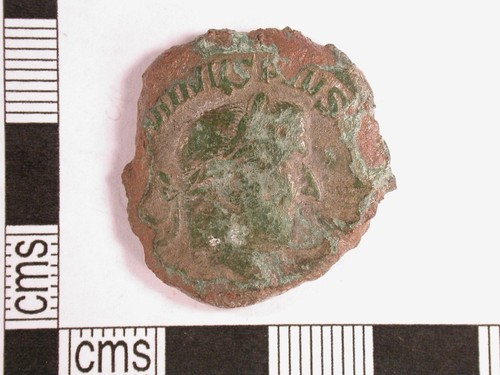
Sestertius of Maximinus Thrax
235-238 AD
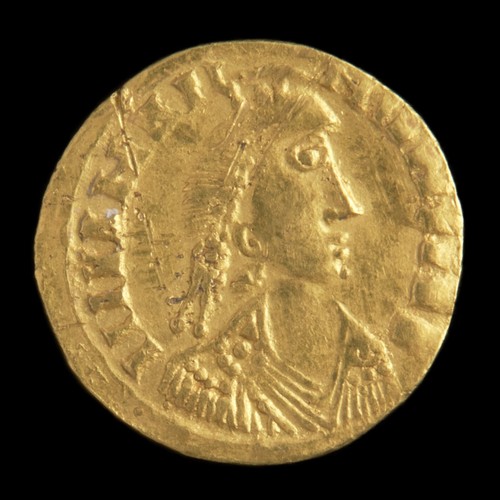
Solidus of Valentinian III
AD 425-455
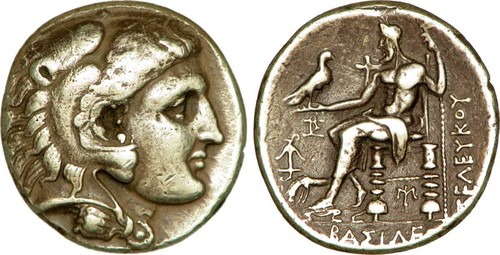
Seleucus I Nicator Tetradrachm
Late 4th-3rd century BC
Nummus of Magnentius
AD 350-353
Follis of Galerius
AD 308-310