1 Öre
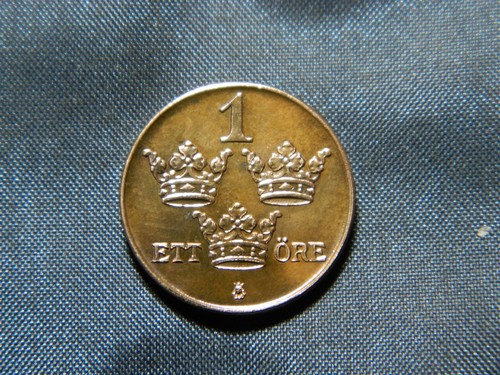
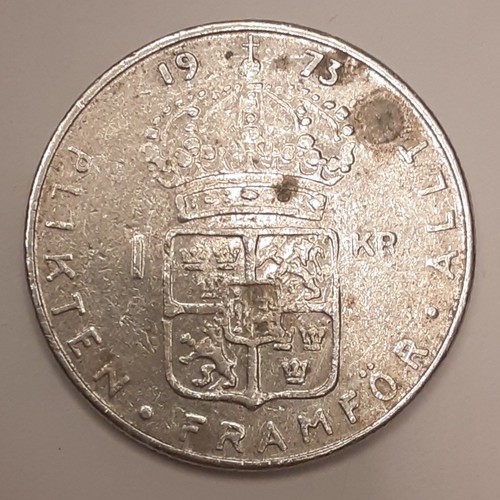
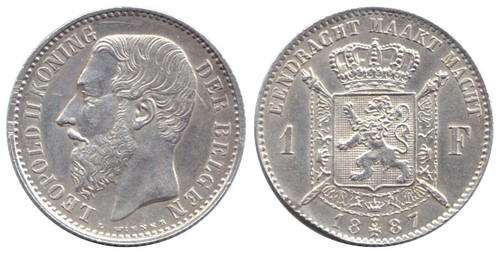
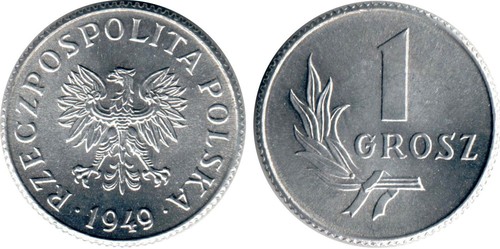
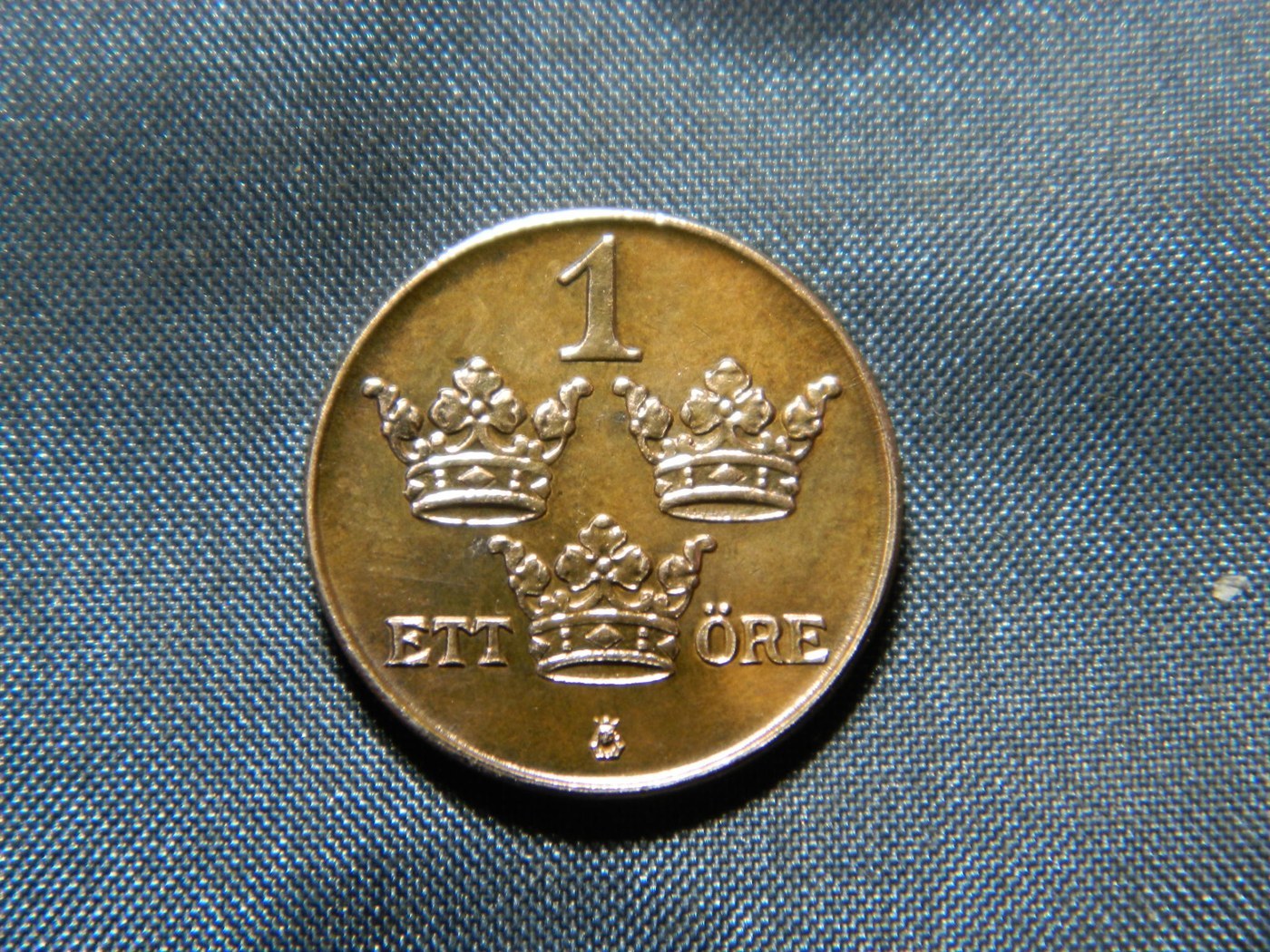
A small copper 1 öre of Sweden dated 1873, with a left-facing profile of King Oscar II, the legend SVERIGE OCH NORGE, and the value in a laurel wreath.
- Country
- Sweden
- Denomination
- 1 Öre
- Metal
- Copper
Got a coin like this?
Identify any coin from a photo, free.
Overview
The 1 Öre dated 1873 is a small copper circulation coin of Sweden struck under King Oscar II. It represents the lowest everyday denomination of the era, produced in quantity for small change rather than as a commemorative or precious-metal piece.
The design pairs a left-facing profile portrait of Oscar II with the legend SVERIGE OCH NORGE ("Sweden and Norway") on the obverse against a simple reverse showing the value 1 ÖRE and the year framed by laurel branches. The dual-kingdom legend reflects the union between Sweden and Norway that existed under a shared monarch during this period.
Because it was a base-metal copper coin made for daily commerce, the 1873 öre is a modest, affordable type. It is collected today as a representative example of 19th-century Swedish copper coinage and of the Sweden-Norway union era.
History & Background
The öre is a long-standing subdivision of the Swedish currency, and by the late 19th century one öre was the smallest coin in everyday circulation. When Sweden adopted the krona in 1873, the krona was divided into 100 öre, and small copper öre coins served as the humblest small change.
This coin dates from 1873, the year of the monetary reform and near the start of Oscar II's long reign. Oscar II became king in 1872 and reigned until 1907, ruling as monarch of both Sweden and Norway until that union dissolved in 1905. The obverse legend SVERIGE OCH NORGE records that dual sovereignty, which is why the wording differs from later Swedish coins that name Sweden alone.
Copper öre of this pattern circulated as ordinary pocket change during a period of industrialization and reform in Scandinavia. Surviving pieces are common relics of that union era and of the early years of the modern krona system.
How to Identify
The obverse shows a bare profile bust of King Oscar II facing left, encircled by the legend SVERIGE OCH NORGE together with the king's name and titles. That dual-kingdom wording is a key marker: it ties the coin to the Sweden-Norway union rather than to later Sweden-only issues. The reverse is plain, displaying the value 1 ÖRE and the year 1873 within or beneath laurel branches.
The coin is small and struck in copper, giving it a reddish-brown to dark brown tone rather than the pale color of silver or nickel. As the lowest denomination it is light and modest in diameter. Expect a small copper flan with the value spelled out as 1 ÖRE and the date clearly present.
Key identifiers are the left-facing Oscar II portrait, the SVERIGE OCH NORGE legend, the 1 ÖRE value with laurel wreath on the reverse, the 1873 date, and the copper fabric. Together these distinguish it from higher öre denominations, from silver Swedish coins, and from later 20th-century öre that name only Sweden.
Value & Collectibility
As a common base-metal copper coin, the 1873 1 öre carries modest value. Worn examples typically trade for small sums and are often found in mixed world-coin lots rather than sold individually.
Condition is the main driver of price. Heavily circulated, dark or corroded pieces bring only a little, while well-struck examples that retain original surfaces and sharp detail on the portrait and lettering command a meaningful premium over worn ones. Fully original red or red-brown uncirculated copper is scarcer and more sought after. There is no precious-metal content underpinning value, so appeal rests on grade, eye appeal, and historical interest.
Treat any figures as broad context rather than fixed quotes, since low-denomination copper trades inconsistently and condition swings prices widely. The coin's charm lies in its status as an affordable relic of the Sweden-Norway union and the early krona era.
Frequently asked questions
What does SVERIGE OCH NORGE mean?
It is Swedish for "Sweden and Norway." The legend reflects the union of the two kingdoms under one monarch, which existed from 1814 until 1905, so it marks this as a union-era coin of Oscar II.
Who is on the 1873 1 öre?
The obverse shows King Oscar II, who reigned over Sweden and Norway from 1872 to 1905 (and over Sweden until 1907). His left-facing profile appears with his name and titles around the rim.
Is the 1 öre made of silver?
No. It is a copper coin, the lowest circulating denomination, so it has a reddish-brown tone and no precious-metal value. Its worth is historical and collector-driven rather than bullion-based.
Is this coin rare or valuable?
It is a common circulation coin, so worn examples are inexpensive. Value rises sharply only for high-grade pieces that keep original copper surfaces and full detail.
Can I still spend this coin?
No. The öre has long since ceased to circulate in this form and Sweden phased out the öre entirely. The coin now has only collector and historical value.
1 Öre guides
In-depth guides for identifying, valuing, and collecting 1 Öre.