10 Forint
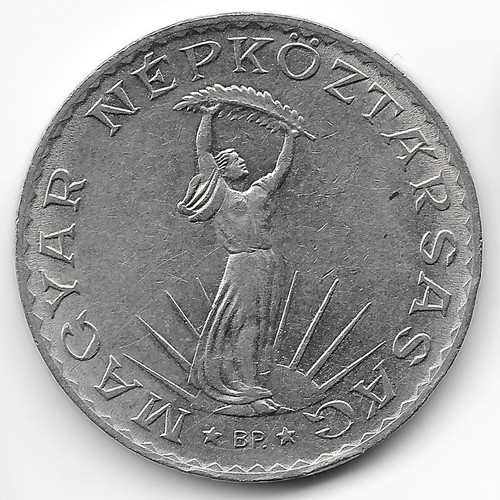
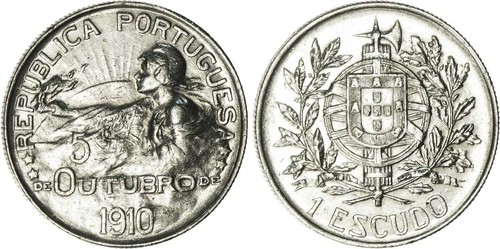
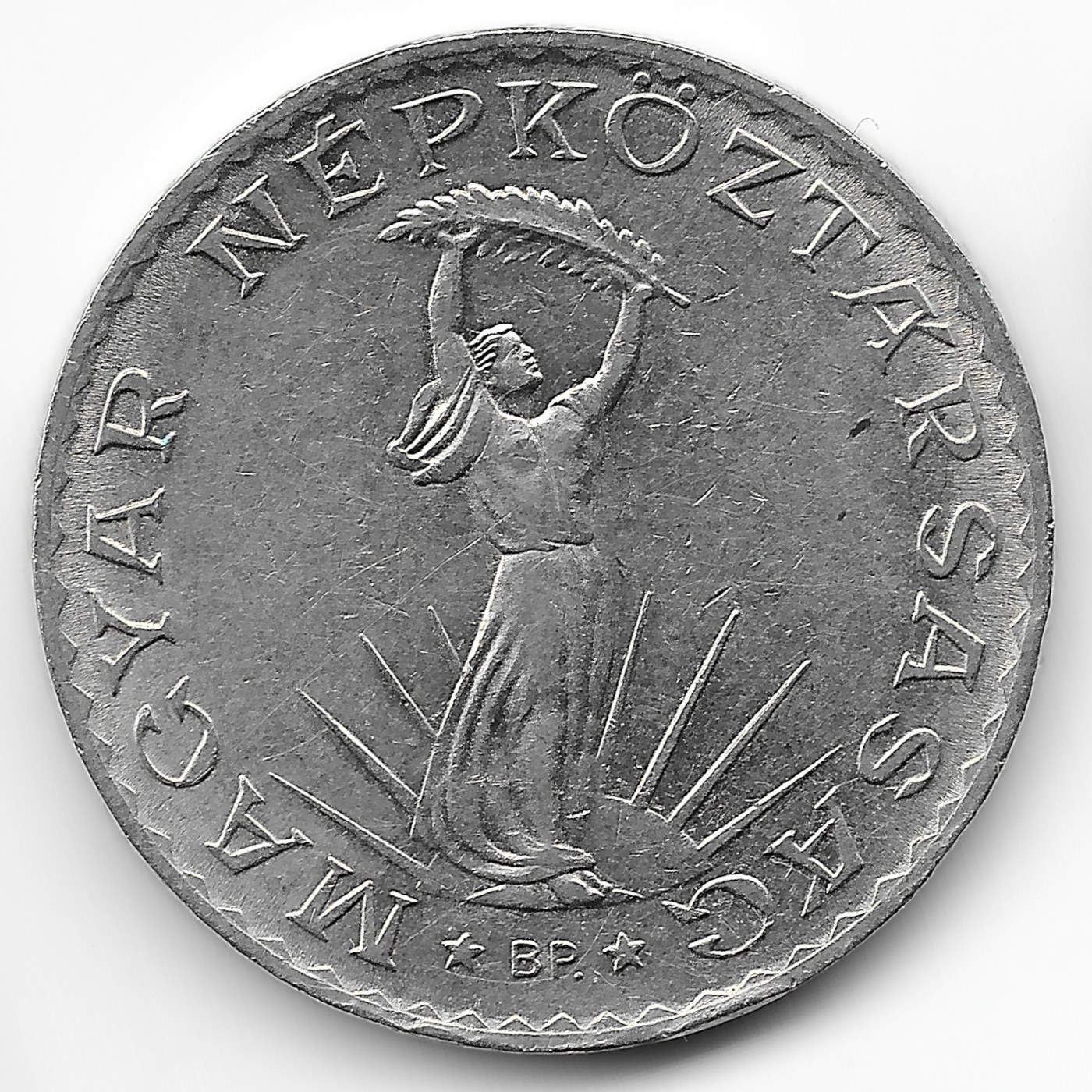
A Hungarian 10 Forint dated 1979, showing a standing allegorical female figure of Liberty holding a palm frond in silver.
- Country
- Hungary
- Denomination
- 10 Forint
- Metal
- Silver
Got a coin like this?
Identify any coin from a photo, free.
Overview
This is a Hungarian 10 Forint dated 1979. The forint is the national currency of Hungary, and denominations of 10 Forint have appeared both as everyday circulation coins and, in silver, as commemorative or special issues. The example documented here is struck in silver and carries an allegorical design rather than a plain numeral-and-arms circulation type.
The reverse shows a standing female figure representing Liberty, holding a palm frond, with the year 1979. The palm frond is a long-standing symbol of peace and victory, and pairing it with a standing allegorical woman follows a tradition of using such figures on Hungarian coinage to express civic and national ideals rather than a specific portrait.
As a silver 10 Forint of a single dated year, the piece appeals to collectors of modern Hungarian coinage and of allegorical figure designs. Its interest rests on the design, the silver content, and its place within the Hungarian forint series.
History & Background
The forint became Hungary's currency in 1946, introduced to stabilize the economy after the catastrophic postwar hyperinflation of the pengo. It was issued under the People's Republic of Hungary (Magyar Nepkoztarsasag), the socialist state that governed the country for much of the second half of the twentieth century, and it remains Hungary's currency today.
Across the forint era, Hungary struck a range of higher-denomination coins in silver, including commemorative and thematic issues that used allegorical and portrait designs. A silver 10 Forint dated 1979 belongs to this broader practice of producing collector-oriented and special silver pieces alongside base-metal coins meant for daily circulation.
The standing figure of Liberty holding a palm frond reflects a design language rooted in classical allegory, in which idealized female figures stand for concepts such as liberty, peace, and the nation. This 1979-dated piece sits within that visual tradition on Hungarian coinage.
How to Identify
The clearest markers on this coin are the reverse design and date: a standing allegorical female figure of Liberty holding a palm frond, together with the year 1979. The figure is an idealized allegory rather than a named person, and the palm frond in her hand is a distinctive identifying detail. The denomination is 10 Forint, and the country of issue is Hungary.
The coin is struck in silver, so it should feel dense for its size and show the tone or gray patina characteristic of struck silver rather than the color of copper-nickel or aluminum-bronze circulation coins. The obverse of the documented example is not visible; on Hungarian coins of this era the reverse legend and national name typically appear in Hungarian, and value and country details should be read directly from the coin in hand.
Key identifiers to confirm together are the 10 Forint denomination, the Hungarian attribution, the standing Liberty figure with palm frond, the 1979 date, and the silver metal. Because the obverse here is unconfirmed, verify the opposite side against the coin itself and against trusted reference images before finalizing an attribution.
Value & Collectibility
As a silver 10 Forint of a single year, this coin carries value from both its collector appeal and its silver content. Modern Hungarian silver pieces of this kind generally trade in the range of a modest premium over their metal value up into the low tens of dollars, depending on the specific issue, condition, and demand.
Condition and originality drive most of the price spread. A standing allegorical figure shows wear first on its high points, so sharp, well-detailed examples with original surfaces are worth clearly more than worn, cleaned, or damaged coins. Pieces still in original mint packaging or issued as proofs command higher premiums.
Because prices depend on grade, packaging, silver spot price, and market demand, treat these as general ranges rather than fixed quotes. Cleaned or damaged coins trade below intact original examples, and confirming the exact issue is important since value varies from one Hungarian silver type to another.
Frequently asked questions
What country is this 10 Forint from?
It is from Hungary. The forint is Hungary's national currency, introduced in 1946 and still in use, and this piece is denominated as 10 Forint and dated 1979.
Who is the woman on the reverse?
She is an allegorical figure of Liberty, an idealized symbol rather than a specific named person. She stands holding a palm frond, a traditional emblem of peace and victory.
Is this 10 Forint made of silver?
The documented example is struck in silver, so it feels dense for its size and shows the tone of struck silver. Its silver content contributes to its collector value.
What does the palm frond mean?
A palm frond is a classical symbol of peace and victory. Placed in the hand of an allegorical Liberty figure, it reinforces the coin's civic, idealized theme rather than depicting a real event or person.
Is this coin valuable?
It is a collectible silver piece rather than a great rarity. Value depends on condition, whether it retains original surfaces or packaging, and silver price, with high-grade examples bringing stronger premiums.
10 Forint guides
In-depth guides for identifying, valuing, and collecting 10 Forint.