
How to Identify the 10 Forint
A collector's guide to confirming the Hungarian 1979 10 Forint by its standing Liberty figure with palm frond, silver metal, and denomination.
Read the full 10 Forint encyclopedia entry →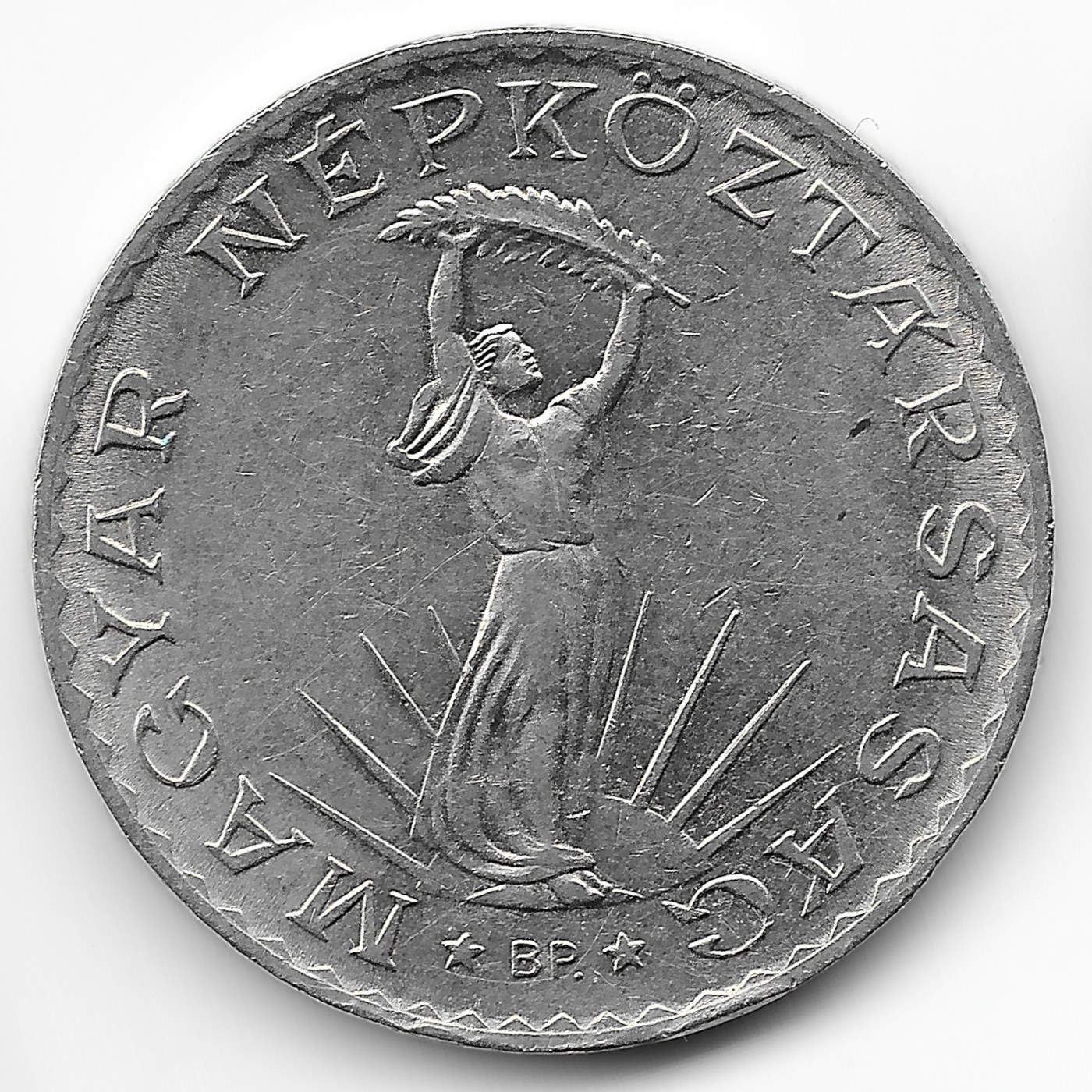
Read the Denomination and Country
Start by confirming the value and country. This piece is denominated 10 Forint and issued by Hungary, whose coins of this era typically carry Hungarian-language legends including the national name. Reading the denomination directly off the coin is the first step, since the forint was struck in many denominations and metals and only the stated value pins down the type.
Confirm the Reverse Design and Date
The defining feature here is the reverse: a standing allegorical female figure of Liberty holding a palm frond, with the year 1979. Check that the figure is a full standing allegory rather than a bust or a named portrait, and that she holds a palm frond specifically. The 1979 date should be clear. If the figure is seated, faces a different way, or holds a different object, you may be looking at a related but distinct Hungarian design.
Check Metal, Size, and Weight
This example is silver, so it should feel dense and heavy for its diameter and show the muted luster or gray patina of struck silver, not the yellowish tone of aluminum-bronze or the pale color of copper-nickel circulation coins. Weigh and measure the coin and compare against reference data for the specific silver 10 Forint issue; a light, thin, or magnetic piece of this design is a warning sign, since silver coins are non-magnetic.
Verify the Obverse Separately
Because the obverse of the documented example is not confirmed here, do not assume it. Turn the coin over and read the opposite side directly, noting any legend, national arms, or additional inscription, and compare it to trusted reference images of the matching Hungarian silver 10 Forint. Confirming both faces together, rather than relying on the reverse alone, prevents misattribution.
Rule Out Look-Alikes and Fakes
Hungary produced numerous forint coins and several silver commemorative types using allegorical or portrait designs; always separate this piece from base-metal circulation 10 Forint coins and from other dated silver issues by matching denomination, date, design, and metal together. For any coin of real value, weigh and measure it, watch for soft casting seams or wrong weight that suggest a counterfeit, favor original undisturbed surfaces over cleaned ones, and consider third-party authentication for higher-grade examples.
Frequently asked questions
What is the single most distinctive feature to look for?
The standing allegorical figure of Liberty holding a palm frond on the reverse, together with the 1979 date. A full standing figure with a palm frond, rather than a bust or seated figure, is the key visual cue.
How can I tell it is silver and not a circulation coin?
Silver examples feel dense and heavy for their size, show a muted silver luster or gray patina, and are non-magnetic. Base-metal circulation 10 Forint coins are lighter and differently colored; weigh and measure to confirm.
The obverse isn't described here. How should I handle that?
Read the obverse directly off the coin and compare it to trusted reference images of the matching Hungarian silver 10 Forint. Confirm both faces together before finalizing an attribution rather than relying on the reverse alone.
Is it worth authenticating?
For anything beyond a well-worn common example, verifying weight, diameter, and design against references is wise, and third-party certification is worthwhile for higher-grade or higher-value pieces to guard against fakes and altered coins.