
How to Identify the 1 Öre
A collector's guide to confirming the Oscar II copper 1 öre by its left-facing portrait, SVERIGE OCH NORGE legend, laurel-wreath reverse, date, and copper format.
Read the full 1 Öre encyclopedia entry →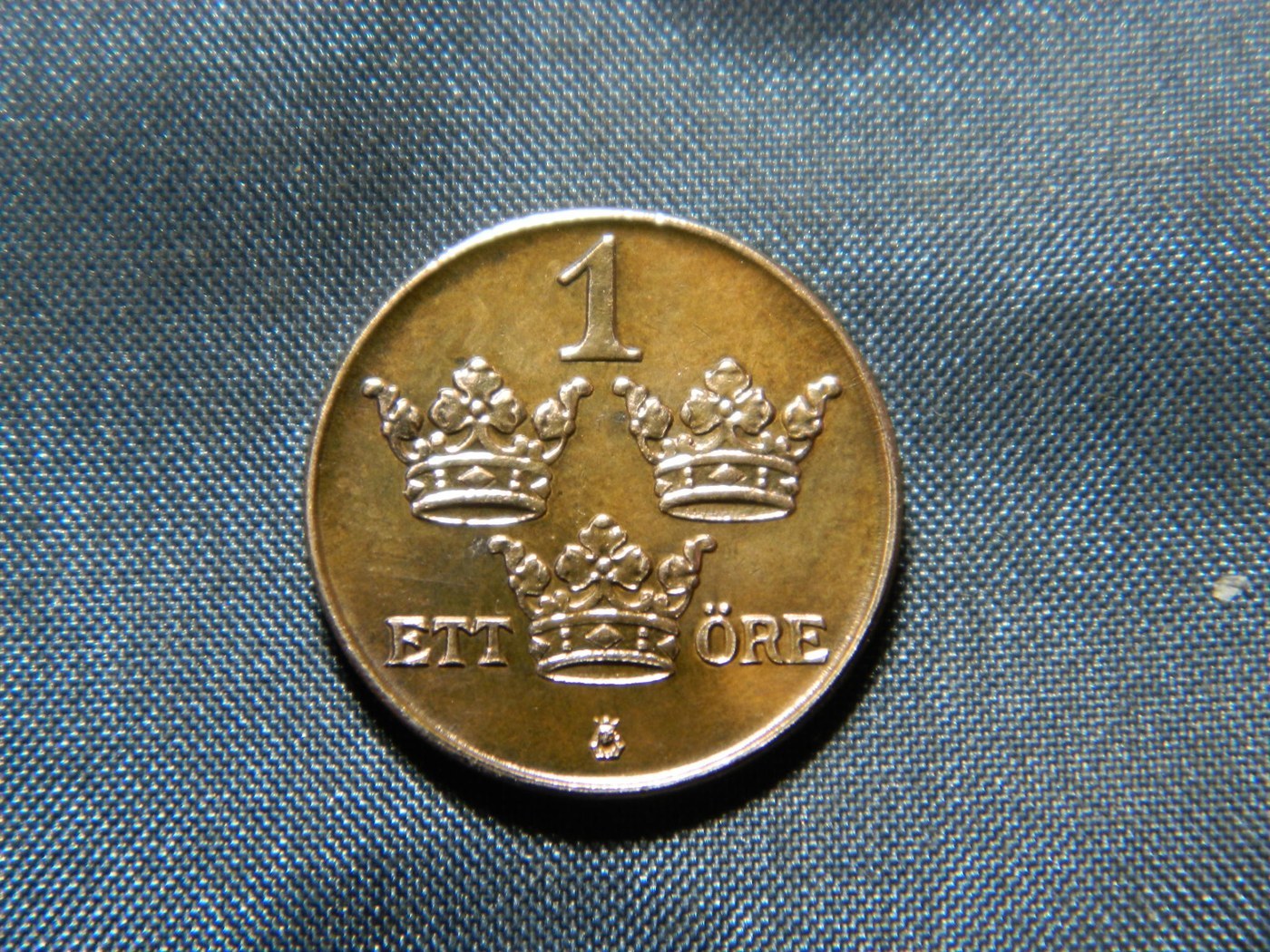
Read the Portrait and Legend First
Start with the obverse. A genuine coin of this type shows a left-facing profile of King Oscar II surrounded by the legend SVERIGE OCH NORGE ("Sweden and Norway") along with his name and titles. That dual-kingdom wording is the single fastest diagnostic: it places the coin in the 1872-1905 union era under Oscar II, not among later Sweden-only öre or coins of a different monarch.
Confirm the Reverse Type
Turn the coin over. The reverse should be simple and legend-light, presenting the value 1 ÖRE together with the year framed by laurel branches or a wreath. If your coin shows a crowned monogram, a large crown, or a different value such as 2 or 5 ÖRE, it is a related but different denomination or design, so read the numeral and the word ÖRE carefully.
Check Size, Metal, and Date
This is a small, light copper coin as the lowest denomination, with a reddish-brown to dark brown tone rather than the pale white of silver or nickel. Confirm the 1873 date in the design. A larger, heavier, or clearly silver-colored coin bearing Oscar II is a higher denomination, so use diameter, weight, and the coppery color together with the date to narrow the identification.
Rule Out Look-Alikes
Sweden struck a family of copper öre under Oscar II across many years and in several values (1, 2, and 5 öre), all sharing similar portrait-and-value styling; always read the exact denomination and the date. Also distinguish the union-era SVERIGE OCH NORGE coins from later issues after 1905 that name only Sweden, and from öre of earlier monarchs such as Carl XV or Oscar I, whose portraits and legends differ. The dual-kingdom legend plus the Oscar II portrait pins down this specific type.
Authentication Cautions
As a common, low-value copper coin, this öre is rarely counterfeited; there is little incentive to fake it. The practical cautions are correct attribution and grade. Verify the exact date and denomination rather than assuming, since many similar years and values exist, and judge condition by the sharpness of the portrait, the legend lettering, and whether original copper surfaces survive. Beware harsh cleaning, which strips copper of its natural patina and hurts value even on inexpensive pieces; match all cues, portrait, legend, denomination, date, and metal, before finalizing the identification.
Frequently asked questions
How do I tell this from a later Swedish 1 öre?
Look for the legend SVERIGE OCH NORGE and the Oscar II portrait. Union-era coins name both Sweden and Norway; after the union ended in 1905, öre coins name Sweden alone and drop the Norway reference.
What size and metal should it be?
Expect a small, light copper coin with a reddish-brown tone, since the 1 öre is the lowest denomination. A heavier or silver-colored coin of Oscar II is a higher value or different type, so weight and color help separate them.
How do I separate the 1 öre from the 2 or 5 öre?
Read the numeral before the word ÖRE and compare the diameter. Sweden struck 1, 2, and 5 öre copper coins in similar style under Oscar II; the stated value and the coin's size distinguish them.
Is it worth authenticating?
Generally no. As a common, low-value copper coin it is seldom faked, so effort is better spent confirming the exact date, denomination, and grade, and checking for cleaning or corrosion, than on formal authentication.