
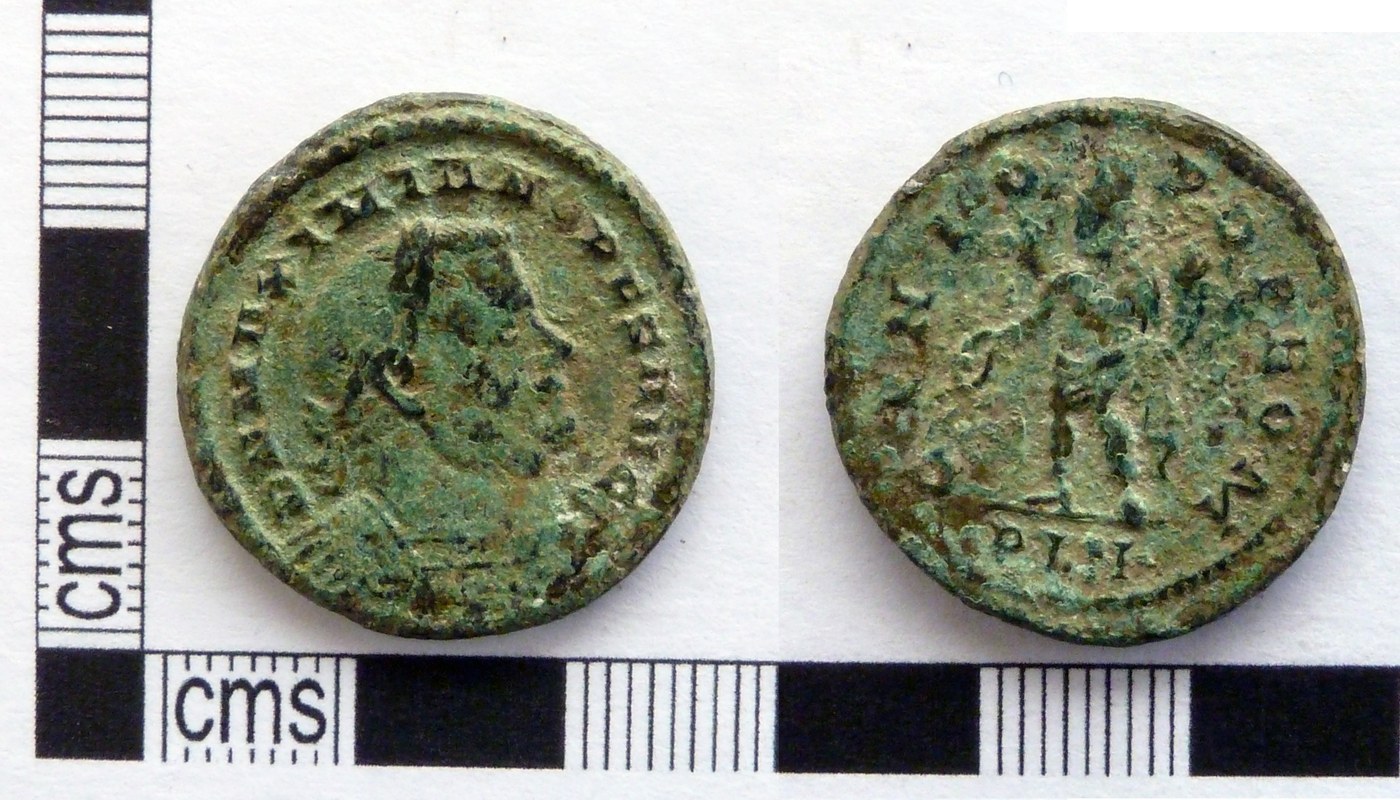
Roman Follis (AE3)
A small late Roman bronze follis of the Constantine I era (AD 320-330), with an emperor's profile obverse and a Victory or vota-in-wreath commemorative reverse.
- Country
- Roman Empire
- Denomination
- Follis (AE3)
- Metal
- Bronze
Got a coin like this?
Identify any coin from a photo, free.
Overview
The Roman follis of the AE3 module is a small base-metal coin struck in the early fourth century, during and around the reign of Constantine I (the Great). By this period the follis, once a large coin of nearly 30 mm, had been repeatedly reduced in size and now survives as a compact bronze piece in the range modern collectors label AE3. The example described here dates to roughly AD 320-330.
The obverse shows the profile bust of an emperor facing right, in the tightly modelled Constantinian style, surrounded by a Latin legend naming the ruler and his titles. The reverse carries a commemorative design, in this case a Victory or a vota inscription set within a laurel wreath, celebrating imperial vows, victories, or the well-being of the state. These reverses were meant to broadcast the confidence and legitimacy of the Constantinian dynasty.
Struck in enormous numbers at mints across the empire, these small folles are among the most abundant of all ancient Roman coins and are a common and affordable entry point for collectors of the late Roman period.
History & Background
The follis was introduced around AD 294 as part of the coinage reform of the emperor Diocletian, originally as a substantial silvered bronze coin. Over the following decades successive reductions in weight and size shrank it dramatically, so that by the 320s it was the small AE3-module bronze seen here. The trace of silver in the alloy had also all but disappeared, leaving an essentially bronze coin.
Constantine I ruled from AD 306 until his death in 337, first as one of several rival emperors and, after defeating Licinius in AD 324, as sole ruler of a reunited empire. His reign transformed the Roman world: he founded Constantinople, extended official tolerance to Christianity, and reorganised the coinage and administration. The bronze folles of the 320s were struck against this backdrop of consolidation and dynastic promotion, often naming Constantine alongside his sons the Caesars.
The commemorative reverses of the period, including Victory types and vota inscriptions marking anniversaries of imperial vows, were part of a coordinated message of stability and triumph issued across many mints. Their vast output means these coins turn up in large quantities today, giving modern collectors a direct and inexpensive link to the age of Constantine.
How to Identify
Start with the obverse. The coin shows the profile bust of an emperor facing right in the compact, hard-edged Constantinian style, usually laureate, diademed, or helmeted and often cuirassed, with a Latin legend running around the edge. The legend names the ruler and his titles, for example CONSTANTINVS AVG or a variant with the names of his sons the Caesars; reading this legend is the key to attributing the coin to a specific member of the dynasty.
The reverse of this piece carries a commemorative design built around a Victory or a wreath. Typical types of AD 320-330 include a vota inscription such as VOT XX or VOT XXX MVLT set within a laurel wreath, two Victories holding a shield with the legend VICTORIAE LAETAE PRINC PERP, or a single advancing Victory. Match the legend to the design to identify the exact type.
In hand the coin is roughly 17-20 mm across and light, generally around 2-3.5 grams, struck in bronze with a brown, green, or earthen patina; original silvering is normally absent by this date. Look in the reverse field and exergue for mint marks, the small letters and symbols that name the issuing mint and workshop and place the coin to a city such as Trier, Arles, Siscia, Thessalonica, Constantinople, or Antioch.
Value & Collectibility
Small Constantinian folles of the AE3 module are among the most common ancient coins in the market, reflecting the huge quantities struck across the empire. Ordinary circulated examples with clear portraits and legends frequently trade for only a few dollars up to the low tens, making them a popular first ancient coin.
Value rises with condition and interest: sharply struck coins with full legends, attractive patina, complete mint marks, and well-detailed reverses bring more, and scarcer reverse types, particular mints, or coins naming less common members of the dynasty can command premiums. Well-preserved commemorative and Victory reverses are especially collectable.
The figures here are general context rather than appraisals. Condition, type, mint, and eye appeal all move an individual coin, and a specialist attribution to a specific mint and reverse variety can add interest and value for a superior example.
Frequently asked questions
What does AE3 mean on a Roman follis?
AE3 is a modern size category used by collectors for late Roman bronze coins roughly 17-21 mm in diameter, not an ancient denomination. The follis of the 320s falls in this range after decades of reductions shrank it from its larger original size, so it is described as a follis of the AE3 module.
Is this follis made of silver?
No. By the reign of Constantine I the follis was essentially a bronze coin. Early folles around AD 300 carried a thin surface silvering and a small amount of silver in the alloy, but by AD 320-330 this had disappeared, leaving a plain bronze coin that today shows a brown or green patina.
How do I know which emperor is on my coin?
Read the obverse legend around the portrait. Constantinian coins name the ruler and his titles, such as CONSTANTINVS AVG, or name his sons the Caesars. The portrait style is shared across the dynasty, so the legend is what identifies the specific emperor.
What does a wreath with letters inside mean on the reverse?
A laurel wreath enclosing an inscription such as VOT XX or VOT XXX is a vota type, commemorating the vows (vota) taken for the emperor's continued reign at five, ten, or twenty year anniversaries. It is one of the standard commemorative reverses of the period.
Are these coins rare or valuable?
They are very common and usually inexpensive, since they were struck in vast numbers at many mints. Most circulated examples cost only a few dollars, though sharp coins with good patina, full legends, clear mint marks, or scarcer types are worth more.
Roman Follis (AE3) guides
In-depth guides for identifying, valuing, and collecting Roman Follis (AE3).
Other coins you may enjoy
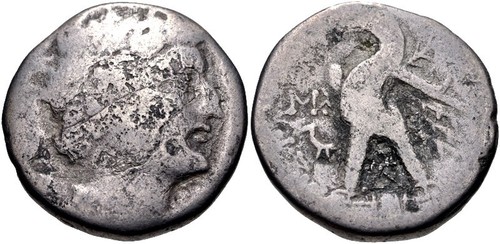
Tetradrachm of Ptolemy XII
80-51 BC
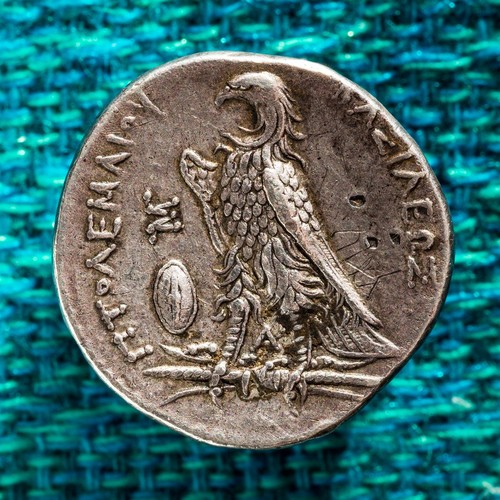
Tetradrachm of Ptolemy I
305-283 BC
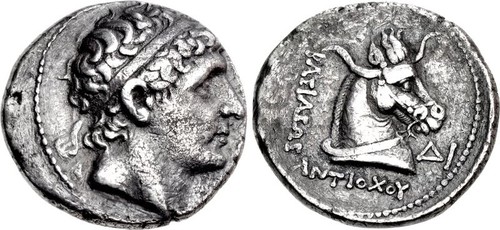
Tetradrachm of Antiochos I Soter
281-261 BC
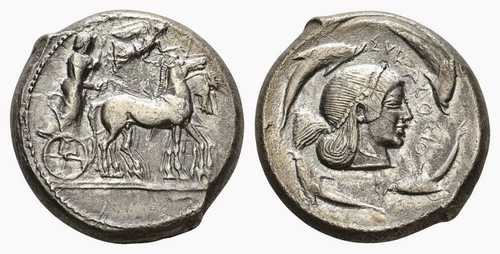
Syracuse Tetradrachm
c. 5th-4th century BC (Classical period)
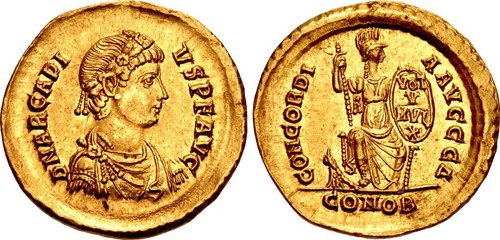
Solidus of Arcadius
AD 395-402
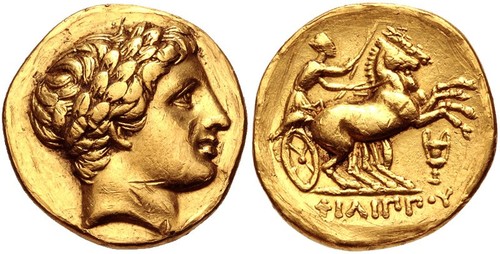
Philip III Gold Stater
323-317 BC
Siliqua of Gratian
AD 367-383
Sestertius of Maximinus Thrax
235-238 AD
Solidus of Valentinian III
AD 425-455
Seleucus I Nicator Tetradrachm
Late 4th-3rd century BC
Nummus of Magnentius
AD 350-353
Follis of Galerius
AD 308-310