
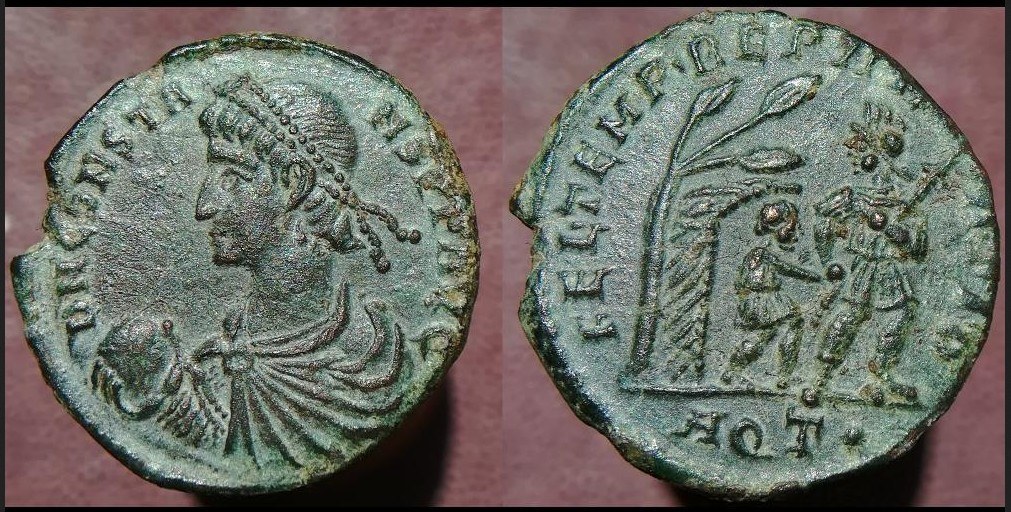
Centenionalis of Constans
A mid-4th-century Roman bronze of Constans bearing the FEL TEMP REPARATIO reform reverse, showing a soldier lifting a small captive from a hut.
- Country
- Roman Empire
- Denomination
- Centenionalis
- Metal
- Bronze
Got a coin like this?
Identify any coin from a photo, free.
Overview
The centenionalis is a Roman bronze denomination reintroduced in the coinage reform of AD 348, and this type carries the portrait of the emperor Constans, youngest son of Constantine the Great. The obverse shows Constans as a beardless, curly-haired ruler, typically diademed and draped, with a Latin legend naming him as Augustus.
The reverse belongs to the famous FEL TEMP REPARATIO ("Happy times are restored" / "restoration of fortunate times") series issued across the empire to mark the 1,100th anniversary of Rome and to project imperial confidence. This particular variety shows a helmeted Roman soldier reaching down to draw a small figure from a hut or thatched shelter, symbolizing the resettlement or rescue of a captive under Roman protection.
Struck at mints throughout the empire during the last years of Constans's reign, the coin is a common and characteristic product of the reform coinage, prized today as an affordable and vivid example of late Roman propaganda in bronze.
History & Background
Constans (Flavius Julius Constans) ruled from AD 337, sharing the empire with his brothers after Constantine the Great's death, and became sole western emperor after defeating Constantine II in AD 340. By the 340s the Roman bronze coinage had grown small and confused, and in AD 348 a reform introduced new, larger bronze denominations, of which the centenionalis is the term most often used by collectors.
The reform was tied to the FEL TEMP REPARATIO slogan, launched around the 1,100th anniversary of the founding of Rome. The message of "restored happy times" was carried by several reverse designs, including a galley with the emperor, a phoenix, and the scene of a soldier engaging a barbarian. The "hut" variety seen here, in which a soldier leads a small figure out of a shelter, is one of the recognized reform types associated with Constans and his co-emperor Constantius II.
Constans was overthrown and killed in AD 350 during the usurpation of Magnentius, so his FEL TEMP REPARATIO coins were struck only briefly, roughly AD 348-350. The broader FEL TEMP series continued under later rulers, most famously as the "fallen horseman" type, but Constans's own issues belong firmly to this short late window of his reign.
How to Identify
Begin with the portrait and legend. The obverse shows a youthful, clean-shaven Constans with distinctive curly hair, usually wearing a pearl diadem and a draped, cuirassed bust facing right. The surrounding Latin legend names him, commonly in forms such as DN CONSTANS PF AVG, with "CONSTANS" the key word to read.
The reverse is the diagnostic feature: the FEL TEMP REPARATIO legend around a scene of a helmeted Roman soldier, spear or shield in hand, reaching toward a small figure emerging from a hut or beneath a tree. This "soldier lifting a captive from a hut" composition should not be confused with the later, more common "fallen horseman" variety, where the soldier spears a rider tumbling from a horse.
In hand the coin is a bronze piece, generally in the range of about 20-23 mm across for the earlier heavier module, on an irregular hand-struck flan. Look to the base of the reverse for a mint mark in the exergue (a short string of letters, sometimes with field letters), which identifies the issuing mint. Surfaces are usually brown or green from age, sometimes retaining traces of an original silvery wash.
Value & Collectibility
Bronze FEL TEMP REPARATIO coins of Constans are common and remain among the more affordable late Roman coins. Worn or off-center examples often trade in the low tens of dollars, while sharply struck pieces with a clear portrait, complete legends, and attractive patina typically bring the mid-tens to low hundreds.
Value is shaped by the clarity of the reverse scene, the completeness of the legends and mint mark, the specific reverse variety, surviving silvering, and overall eye appeal. The "hut" variety and well-preserved portraits of Constans can attract a modest premium over the most abundant reform types.
Prices here are general context ranges rather than appraisals; condition, mint, variety, and provenance can move an individual coin well outside them. Attribution to a specific mint and RIC reference can add collector interest.
Frequently asked questions
What does FEL TEMP REPARATIO mean?
It is Latin for roughly "the restoration of happy times." The slogan was used across a large reform coinage of the mid-4th century to project renewal and imperial confidence, around the 1,100th anniversary of Rome.
Who was Constans?
Constans was the youngest son of Constantine the Great. He ruled from AD 337 and became sole western emperor in 340, until he was overthrown and killed during the usurpation of Magnentius in AD 350.
What is the scene on the reverse?
This variety shows a helmeted Roman soldier reaching down to draw a small figure out of a hut or shelter, symbolizing the rescue or resettlement of a captive under Roman power. It differs from the later "fallen horseman" version.
Is this coin rare or valuable?
It is common and generally affordable, as the FEL TEMP REPARATIO reform coinage was produced in large quantities across many mints. Well-preserved examples with clear detail and patina bring higher prices, but most are accessible to beginners.
What metal is it made of?
It is a bronze coin, and earlier heavier issues sometimes carried a thin silvery surface wash that has usually worn away. Today the surfaces are typically brown or green from age.
Centenionalis of Constans guides
In-depth guides for identifying, valuing, and collecting Centenionalis of Constans.
Other coins you may enjoy
Tetradrachm of Ptolemy XII
80-51 BC
Tetradrachm of Ptolemy I
305-283 BC
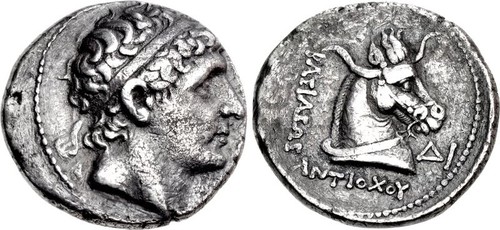
Tetradrachm of Antiochos I Soter
281-261 BC
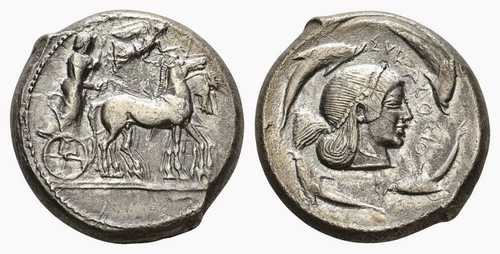
Syracuse Tetradrachm
c. 5th-4th century BC (Classical period)
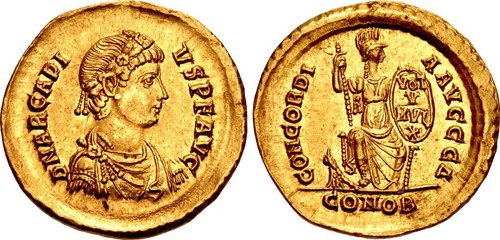
Solidus of Arcadius
AD 395-402
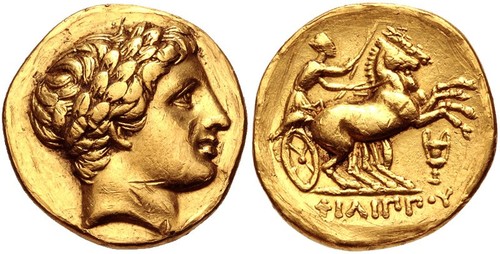
Philip III Gold Stater
323-317 BC
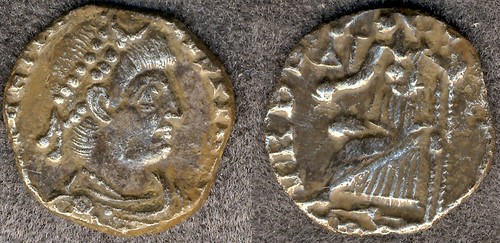
Siliqua of Gratian
AD 367-383
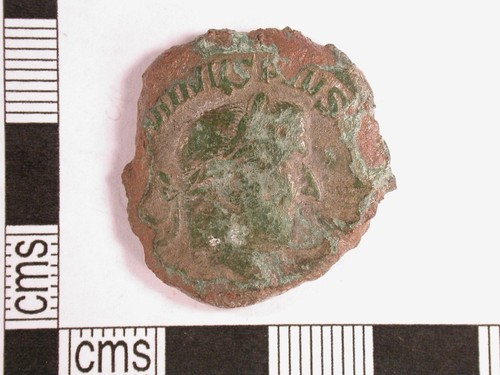
Sestertius of Maximinus Thrax
235-238 AD
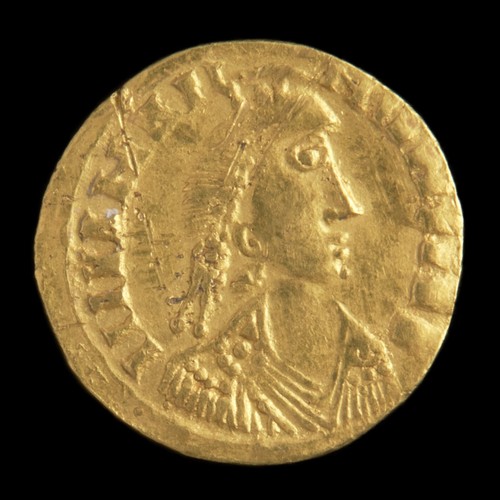
Solidus of Valentinian III
AD 425-455
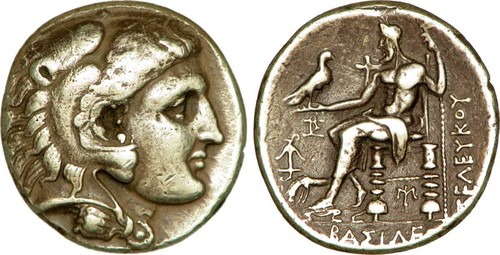
Seleucus I Nicator Tetradrachm
Late 4th-3rd century BC
Nummus of Magnentius
AD 350-353
Follis of Galerius
AD 308-310