
Coin Encyclopedia
Search and identify coins from around the world — with country, denomination, metal, mint, history, and how to tell them apart.
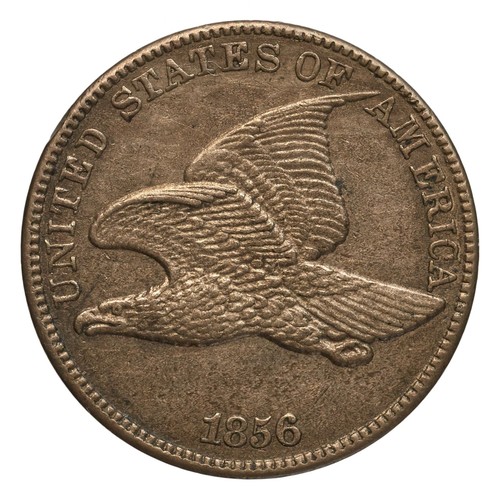
Flying Eagle Cent
America's first small cent, showing an eagle in flight on the obverse and an agricultural wreath on the reverse; struck 1856–1858 in copper-nickel.
Small Cent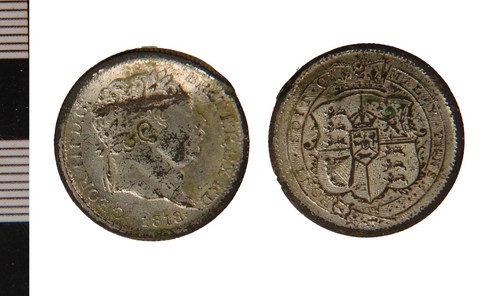
British Bank Token
Copper token of the late George III period bearing the king's left-facing bust and a quartered royal-arms reverse, dated 1819.
British Isles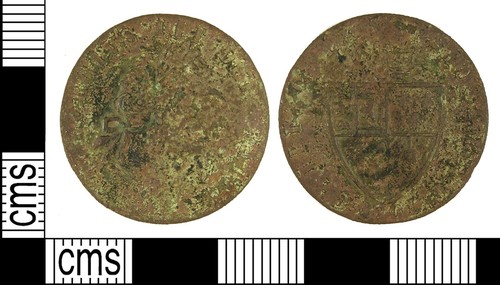
Spade Guinea Token
A base-metal imitation of the George III spade guinea, made as a gaming counter or advertising token, with a male profile obverse and a spade-shaped shield reverse.
Token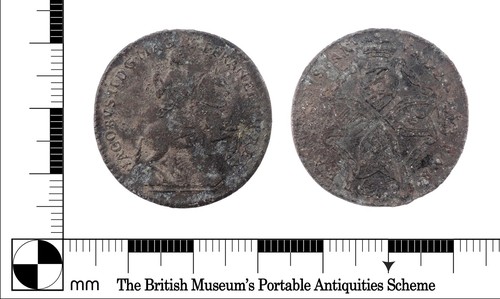
American Plantations Token
A 1688 tin token struck under James II for England's American colonies, valued at 1/24 of a Spanish real — the first regal-authorized coinage for British America.
Colonial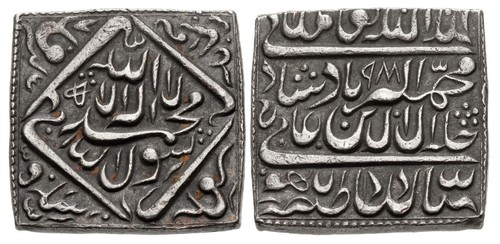
Mughal Square Rupee Token
A square silver-colored token copying a Mughal square rupee, with Persian and Islamic inscriptions and an AH 988 date, produced as a later reproduction.
Token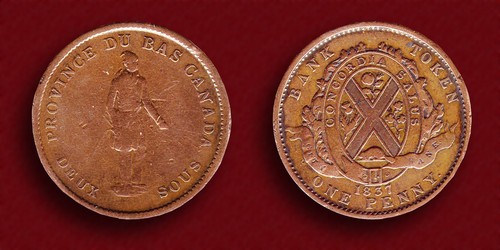
Lower Canada Bank Penny Token
Copper 1837 penny token of Lower Canada with a standing habitant and PROVINCE DU BAS CANADA obverse and a crowned heraldic-arms reverse.
Canadian & Provincial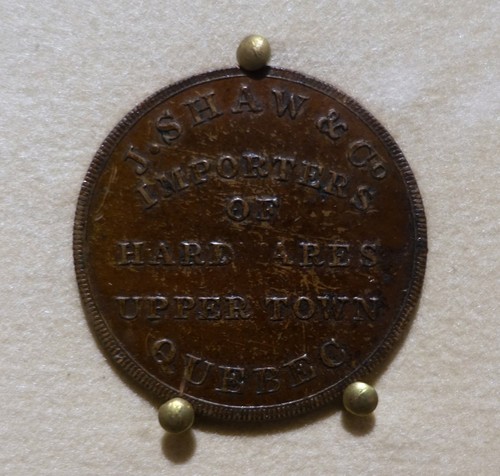
J. Shaw & Co. Hardware Token
Copper halfpenny-sized merchant token advertising J. Shaw & Co., importers of hardware in Upper Town, issued around the 1850s.
Canadian & Provincial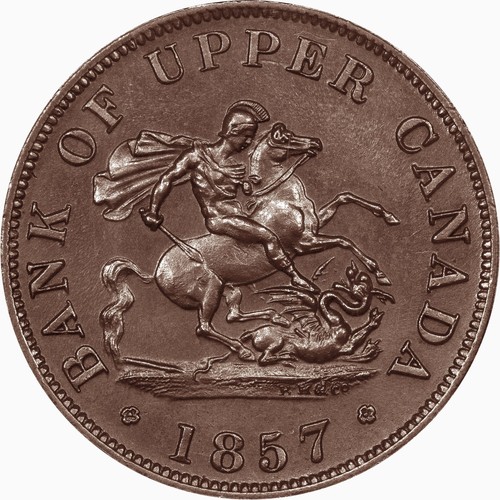
Bank of Upper Canada Half-Penny Token
Copper half-penny token of the Bank of Upper Canada, with St. George slaying the dragon and the bank's crowned heraldic arms, dated 1857.
Canadian & Provincial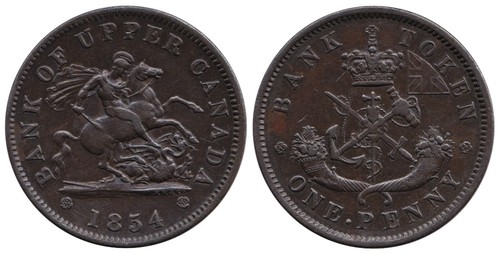
Bank of Upper Canada One Penny Token
Copper penny token of the Bank of Upper Canada showing St. George slaying the dragon, with a crowned royal-arms reverse; this example dated 1854.
Canadian & Provincial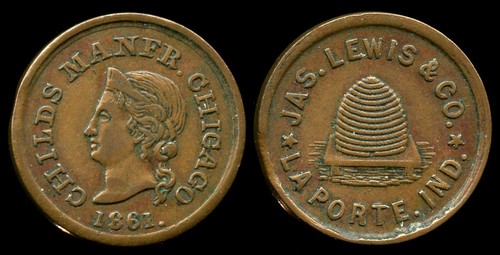
James Lewis and Company Civil War Token
A privately struck Civil War store card advertising Jas. Lewis & Co. of La Porte, Indiana, with a classical head obverse and a beehive reverse.
Token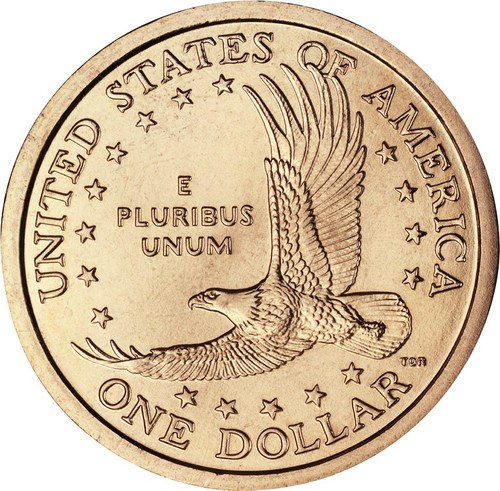
Sacagawea Dollar
U.S. golden-colored dollar coin showing Sacagawea and her infant son on the obverse and a soaring eagle on the reverse, struck 2000–2008.
Dollar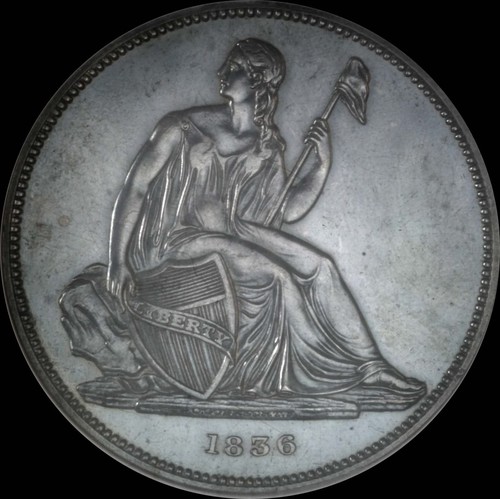
Gobrecht Dollar
U.S. silver dollar of 1836 by engraver Christian Gobrecht, pairing a Seated Liberty obverse with a flying-eagle reverse; a rare pattern-era issue.
Dollar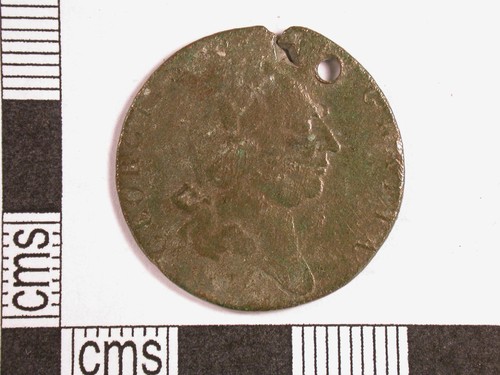
Guinea Counter (Imitation)
A brass or bronze gaming counter made to imitate a George III guinea, showing a faint male profile and a shield reverse; a token, not money.
Token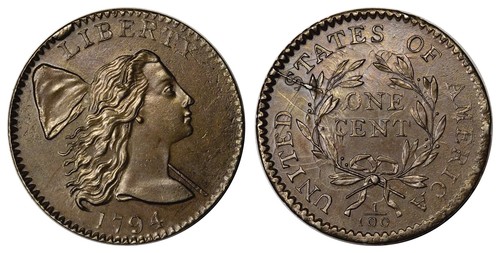
Flowing Hair Large Cent
An early U.S. copper cent showing Liberty with flowing hair and a liberty cap, ONE CENT in a wreath on the reverse; the photographed piece is dated 1794.
Large Cent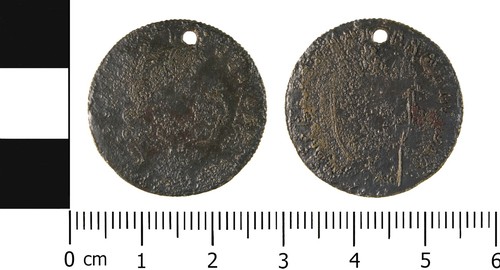
Imitation Guinea Gaming Piece
A brass or bronze token imitating a George III spade guinea, made for card games and gaming tables rather than as legal-tender money.
British Isles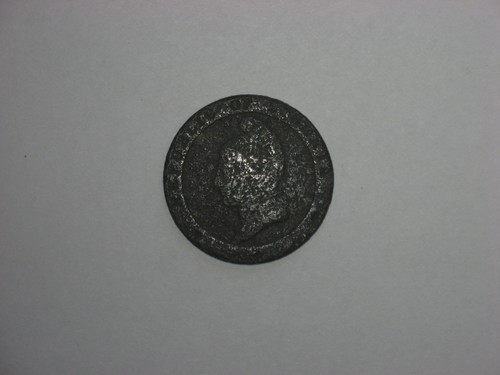
Liberia One Cent
An early copper cent tied to Liberia's founding, dated 1847, with a profile portrait obverse and warm brown patina.
World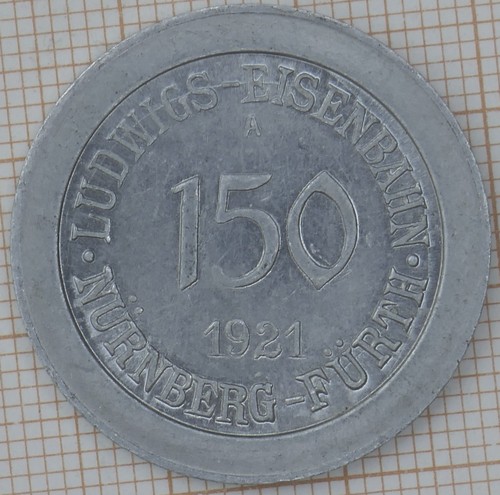
Ludwigs-Eisenbahn Nürnberg-Fürth 150 Pfennig
A 1921 German emergency-money 150 Pfennig piece from Nürnberg-Fürth, struck in zinc-iron and showing an ornamental Kunstbrunnen fountain monument.
Token/notgeld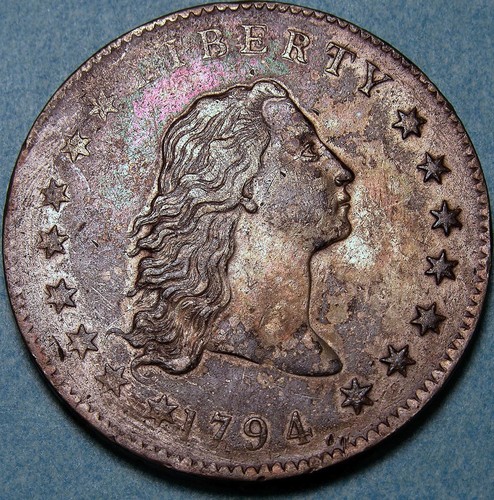
Flowing Hair Dollar
The first U.S. silver dollar, struck 1794–1795, with a right-facing Liberty whose hair flows loose amid stars and a small spread-wing eagle reverse.
Dollar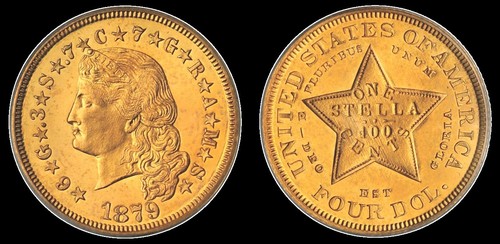
Flowing Hair Stella
An 1879 U.S. $4 gold pattern coin with a flowing-hair Liberty obverse and a large-star "ONE STELLA" reverse; famous rarity, never circulated.
Stella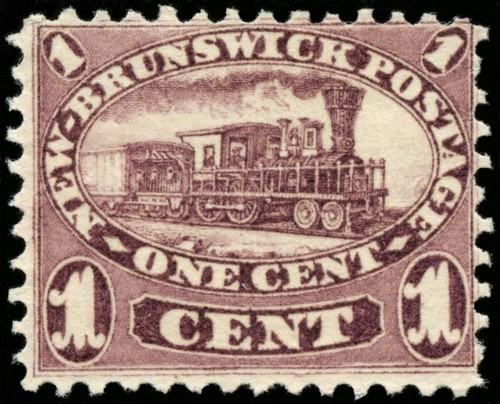
New Brunswick One Cent
A bronze one-cent piece dated 1860 showing a steam locomotive with NB and ONE CENT — a New Brunswick locomotive-type token distinct from the official 1861/1864 cent.
Canadian & Provincial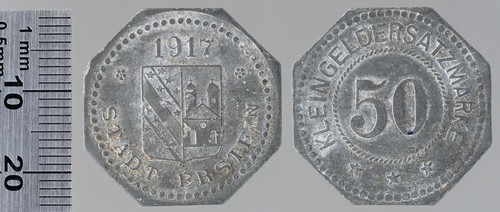
Erstein Notgeld 50 Pfennigs
A 1917 German emergency-money token for 50 Pfennigs from Erstein in Alsace, with the town coat of arms on the obverse and a large 50 on the reverse.
Token/notgeld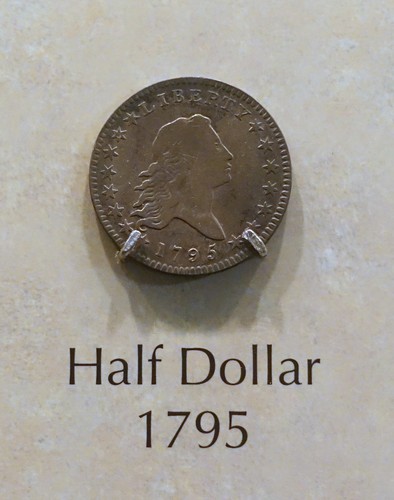
Flowing Hair Half Dollar
The first U.S. half dollar, struck 1794–1795 in silver, with a flowing-hair Liberty facing right and a small eagle within a wreath on the reverse.
Half Dollar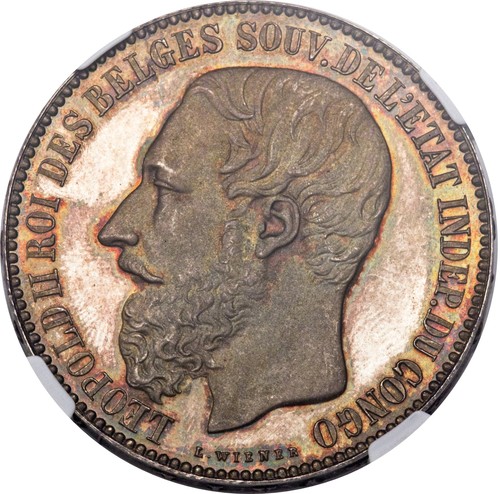
Belgian Congo 5 Francs (Copper)
A copper 5 Francs piece dated 1887 with a radiant star obverse and a crowned heraldic reverse reading CONGO BELGE, widely regarded as a fantasy or novelty type.
World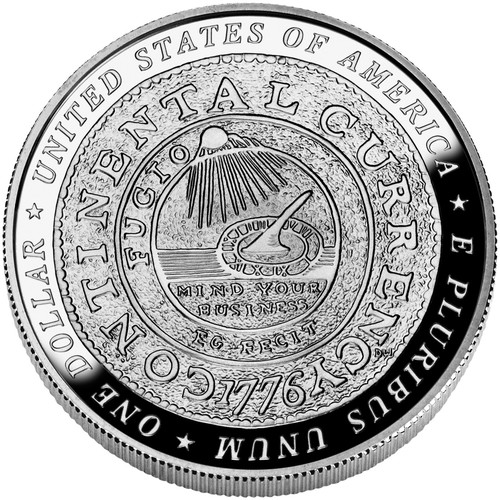
Benjamin Franklin Founding Father Commemorative Silver Dollar
A 2006 U.S. commemorative silver dollar honoring Benjamin Franklin, showing him flying his kite in the electricity experiment, with a 'MIND YOUR BUSINESS' reverse.
Dollar