
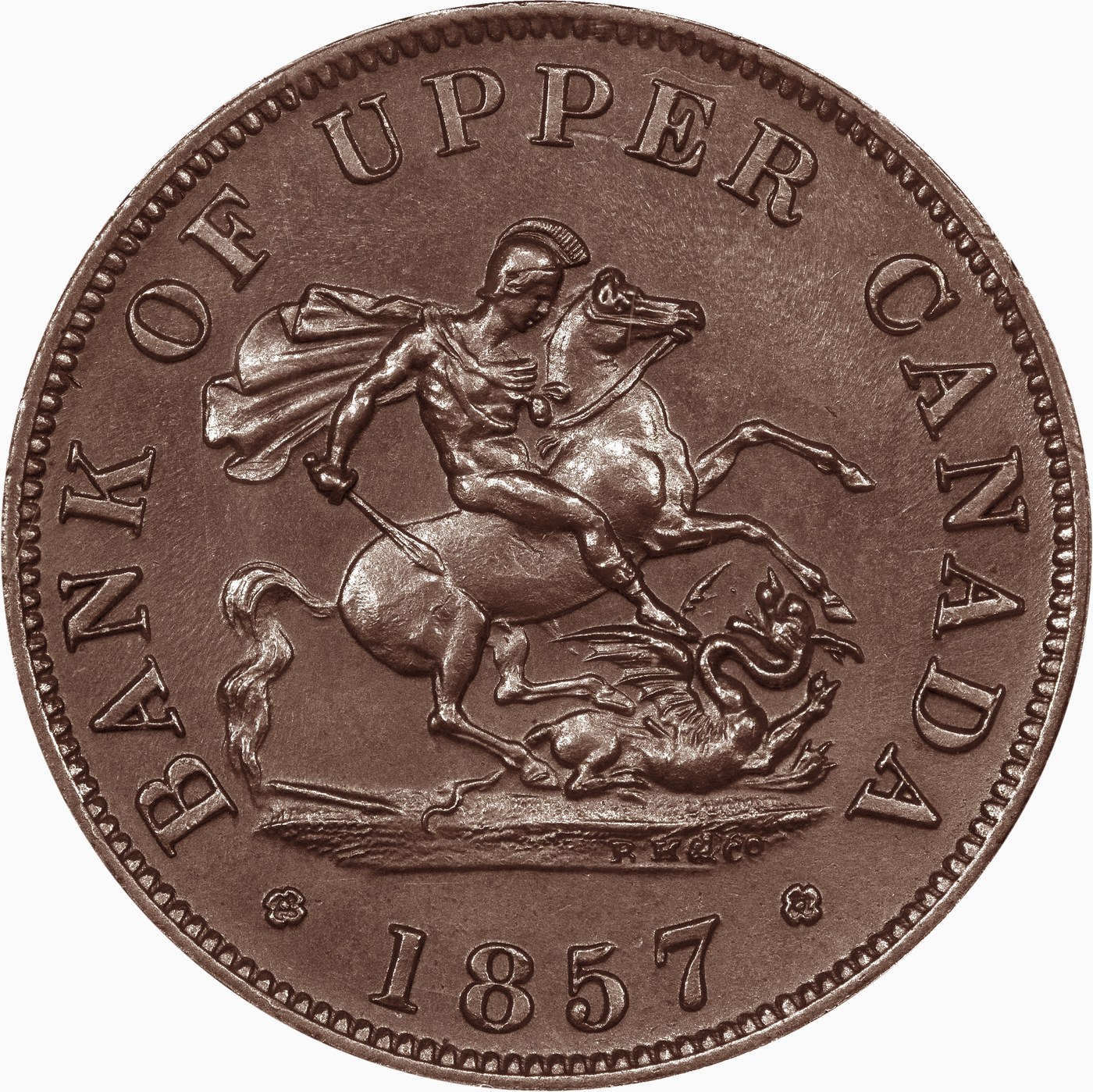
Bank of Upper Canada Half-Penny Token
Copper half-penny token of the Bank of Upper Canada, with St. George slaying the dragon and the bank's crowned heraldic arms, dated 1857.
- Country
- Canada
- Denomination
- Half-Penny
- Metal
- Copper
Got a coin like this?
Identify any coin from a photo, free.
Overview
The piece shown here is a copper half-penny token issued by the Bank of Upper Canada. The obverse depicts St. George on horseback slaying a dragon, a design borrowed from the classic Pistrucci motif used on British coinage, while the reverse carries the bank's heraldic arms on a shield beneath a crown. This example is dated 1857.
The reverse legend names the BANK OF UPPER CANADA and states the HALF PENNY denomination with the date, and the shield bears provincial emblems associated with commerce and plenty, such as an anchor and a cornucopia. Struck as a token rather than as regal coinage, it served as everyday small change in the Province of Canada in the years before a uniform decimal cent coinage took hold.
Because it is copper, this token was a low-value, hand-to-hand piece rather than a bullion object. Today the Bank of Upper Canada halfpenny is one of the most familiar and widely collected Canadian tokens, valued as a historic relic of pre-Confederation currency.
History & Background
Before Canada adopted a unified decimal coinage, colonial commerce ran on a mixture of foreign coins and privately or semi-officially issued tokens. To help supply reliable copper change, the Bank of Upper Canada put its name to a series of penny and half-penny tokens struck in England and shipped across the Atlantic for circulation in the Province of Canada.
These "St. George" coppers were issued across several dates in the 1850s, with half-penny tokens known for 1850, 1852, 1854, and 1857. The 1857 date seen on this example falls at the end of that run, shortly before the Province of Canada moved to a decimal cent system and the older halfpenny and penny tokens were superseded. The tokens were manufactured by British minting firms of the period, which accounts for the high quality of the St. George engraving.
The design deliberately echoed the prestige of British coinage: St. George and the dragon was one of the most admired motifs on the Crown's own silver and gold, and its use lent the token an air of official currency. Combined with the bank's arms and clear denomination, this made the pieces readily accepted, and large numbers circulated. Their survival in quantity today reflects how heavily they were used and how many were struck.
How to Identify
Identify this token by its two signature designs. The obverse shows St. George mounted on a horse, spearing a dragon beneath the horse's hooves, with the date in the exergue below (here 1857). The reverse shows a crowned heraldic shield bearing the arms of the Bank of Upper Canada, encircled by the legend BANK OF UPPER CANADA and the denomination HALF PENNY.
Confirm the metal and size. The piece is copper, a brown to reddish-brown metal that is not magnetic. The half-penny is the smaller of the two BUC token denominations, roughly 28 mm in diameter; the companion penny token uses the same designs but is noticeably larger (about 34 mm). Reading the denomination and measuring the coin is the surest way to separate the halfpenny from the penny, since the imagery is identical.
Read the date and legend under a loupe. The known half-penny dates are 1850, 1852, 1854, and 1857, and confirming the date against that list is a quick authenticity check. The anchor, cornucopia, and other emblems on the shield are diagnostic of the Bank of Upper Canada specifically and should not be confused with the royal arms of Great Britain or with other colonial bank tokens.
Value & Collectibility
The Bank of Upper Canada halfpenny is a widely collected but generally affordable token. Common dates such as 1857 in worn, circulated condition typically trade in the low tens of dollars, with well-detailed examples showing full legends and even brown surfaces bringing more. Scarcer dates and die varieties command higher premiums among token specialists.
Condition and originality drive price. A token with a sharp St. George, a fully legible reverse legend, and an undisturbed brown patina is worth a multiple of a smooth, corroded, cleaned, or holed piece. Because these tokens were heavily circulated, high-grade survivors with original luster are the ones that attract the strongest interest.
Treat any single figure as indicative only. Values vary by date, variety, and grade, and the token market shifts over time. For a specific piece you believe to be a scarce date or an unusual variety, seek an opinion from a Canadian-token or colonial-coin specialist before buying, selling, or insuring it.
Frequently asked questions
What is the Bank of Upper Canada half-penny token made of?
It is copper, a base metal, so its value is numismatic rather than bullion. The token is brown to reddish-brown in color and is not attracted to a magnet.
Why does the token show St. George and the dragon?
The design copies the celebrated St. George motif from British coinage. Using a prestigious, familiar image helped the token gain acceptance as trustworthy small change in colonial commerce.
How do I tell the half-penny from the penny token?
Both use the same St. George obverse and Bank of Upper Canada arms reverse, so read the denomination legend and check the size. The half-penny is about 28 mm; the penny is larger, roughly 34 mm.
What years was the half-penny issued?
Bank of Upper Canada half-penny tokens are known for 1850, 1852, 1854, and 1857. The example shown here is dated 1857, near the end of the series.
How much is an 1857 Bank of Upper Canada halfpenny worth?
Common circulated examples are generally modest, often in the low tens of dollars, with sharp original pieces and scarcer dates or varieties worth more. Have a specific coin assessed by a token specialist.
Bank of Upper Canada Half-Penny Token guides
In-depth guides for identifying, valuing, and collecting Bank of Upper Canada Half-Penny Token.
Other coins you may enjoy
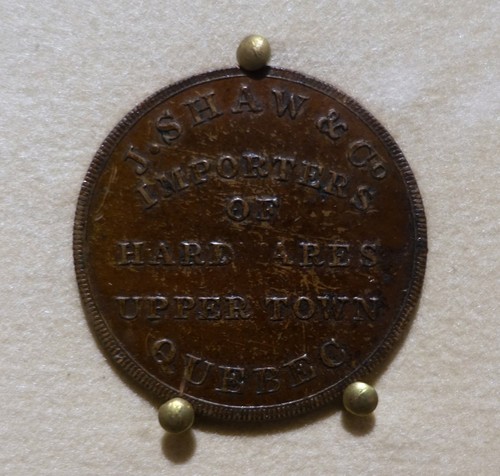
J. Shaw & Co. Hardware Token
circa 1850s
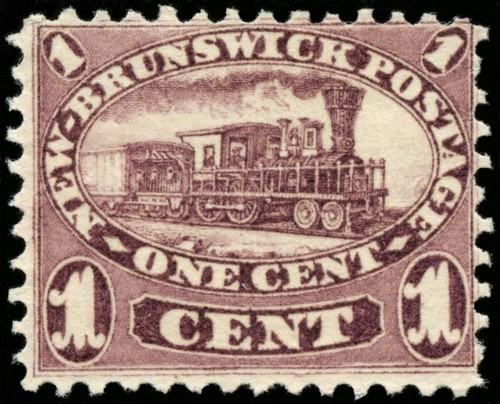
New Brunswick One Cent
Dated 1860 (locomotive token type)
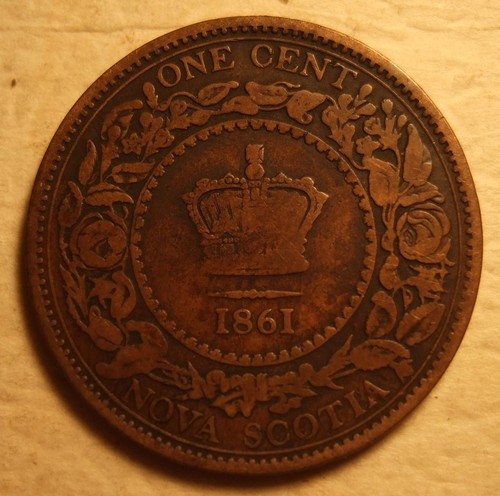
Nova Scotia One Cent
1861-1864
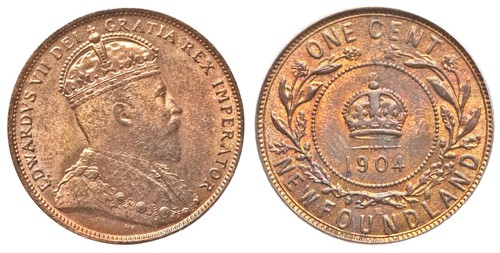
Newfoundland One Cent
1865-1936
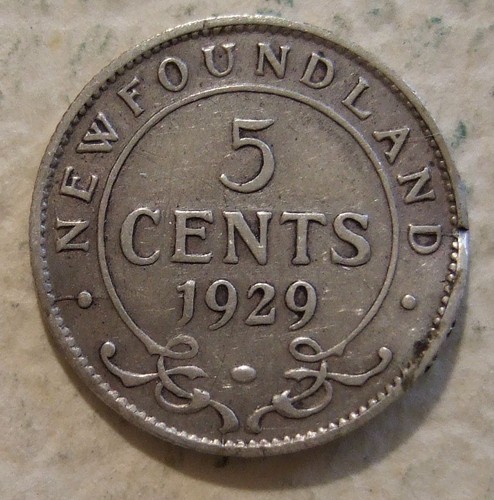
Newfoundland Five Cents
1865-1947
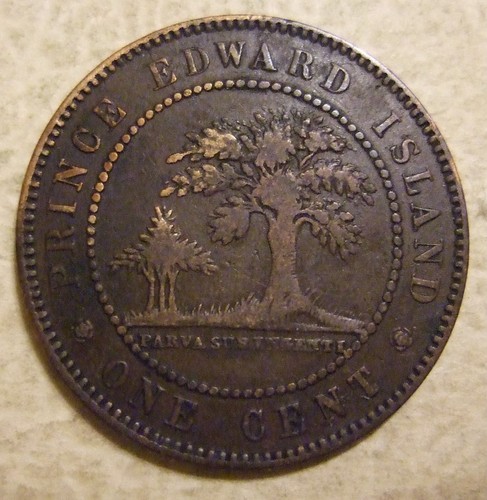
Prince Edward Island One Cent
1871
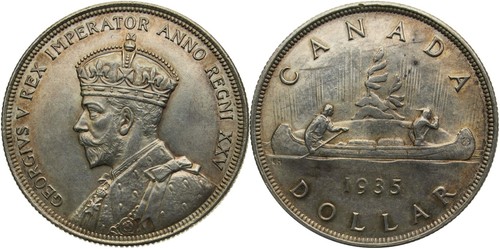
Canadian Silver Dollar
1935
Canadian Five Cents (Nickel)
1937–present (beaver reverse; example shown: 1987)
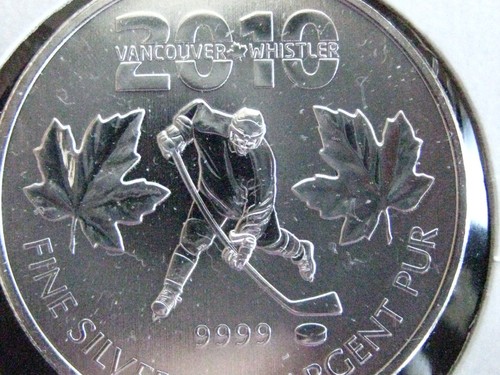
Olympic Hockey Commemorative Dollar
2010
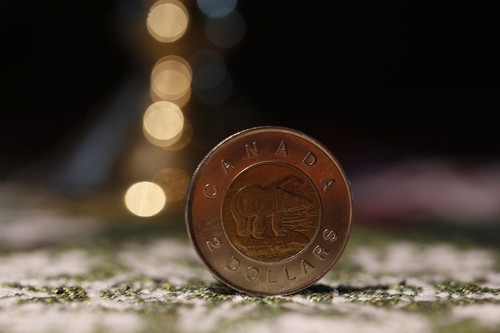
Canadian Two Dollar (Toonie)
1996-present
Newfoundland Two Dollars
1865-1888
Canadian One Cent
1858-1920 (large cent series); example dated 1911