
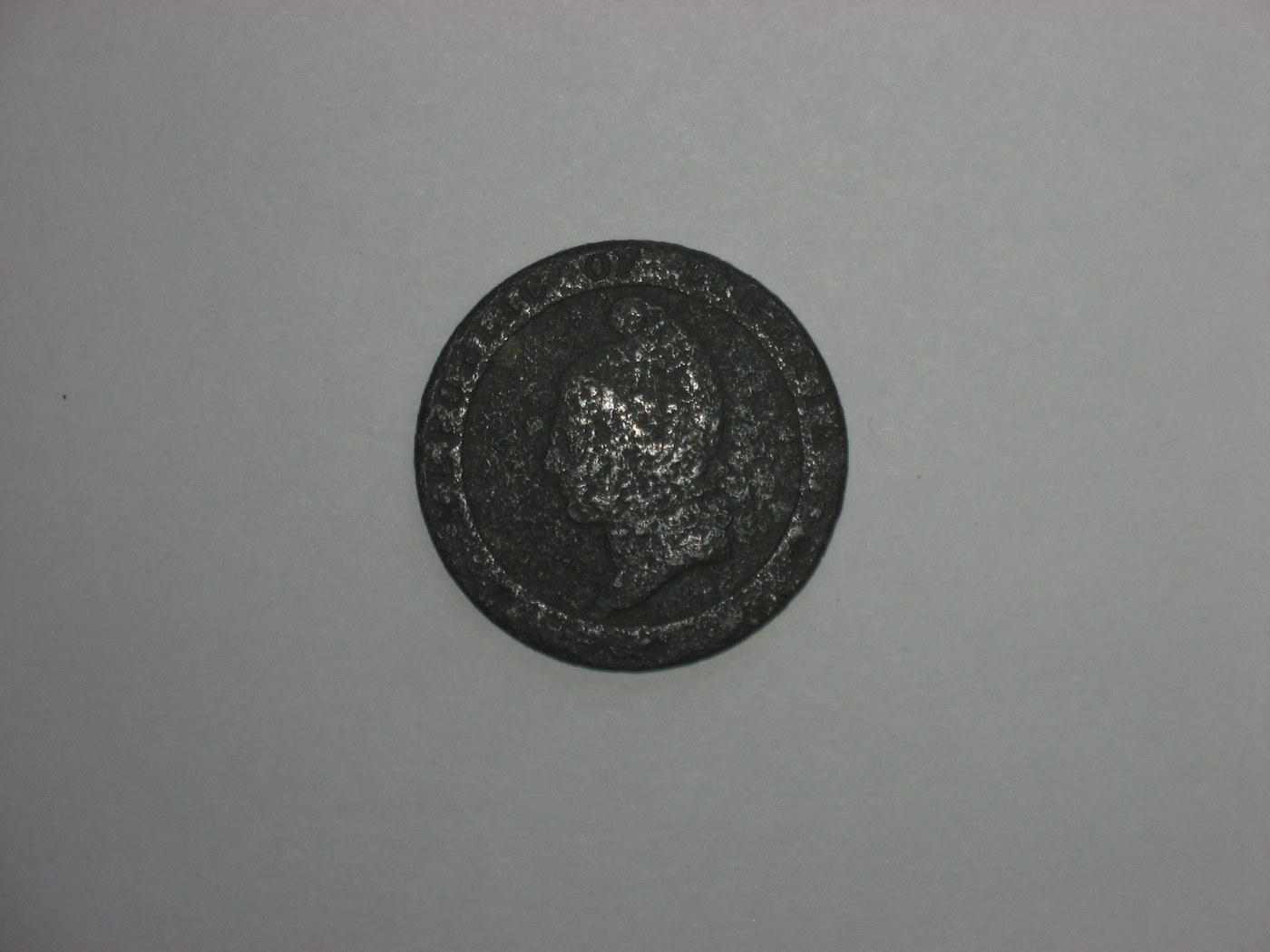
Liberia One Cent
An early copper cent tied to Liberia's founding, dated 1847, with a profile portrait obverse and warm brown patina.
- Country
- Liberia
- Denomination
- 1 Cent
- Metal
- Copper
Got a coin like this?
Identify any coin from a photo, free.
Overview
The Liberia One Cent is an early copper coin associated with the founding of the West African republic of Liberia. The example here is dated 1847, the year Liberia declared itself an independent republic, and shows a profile portrait on the obverse under a dark, warm brown patina typical of long-aged copper.
These small copper cents were produced in an era when Liberia was closely linked to the American Colonization Society, the U.S.-based organization that established the colony as a settlement for free Black Americans. As a result the coin sits at the intersection of American and African numismatic history and is collected on both sides.
Because the reverse is not visible in this image, identification here rests on the obverse portrait, the copper composition, the LIBERIA legend, and the 1847 date. Early Liberian cents like this are scarcer and more sought after than ordinary modern circulation coins.
History & Background
Liberia grew out of settlements founded in the 1820s by the American Colonization Society, which sought to resettle free Black Americans on the West African coast. In 1847 the settlers declared Liberia an independent republic, and coinage bearing that date is tied directly to this founding moment.
Early Liberian copper cents were struck abroad rather than in Liberia itself, in keeping with the practice of the time for young or colonial states that lacked their own mint. Copper one-cent pieces of this era carry the LIBERIA name and a symbolic portrait, reflecting the new nation's American-influenced ideals of liberty.
Because these early cents were produced in limited numbers and have long been popular with collectors, later restrikes and reproductions of the 1833 and 1847 types are known. This makes the date alone insufficient proof of an original striking, and careful attribution matters when assessing any given example.
How to Identify
Start with the legend and date. A genuine early Liberian cent carries the name LIBERIA and, on this piece, the date 1847. The obverse shows a profile portrait — a symbolic Liberty-style head rather than a named monarch — struck in copper that has toned to a dark brown patina over time.
The coin is a small copper cent, roughly the size of a contemporary U.S. or British copper penny of the mid-19th century, and it should feel like solid copper: reddish-brown where worn bright, warm brown to nearly black where patinated, and non-magnetic. The reverse is not shown in this image, but Liberian cents of this family typically pair the portrait with a design and the stated value or national emblem.
Because restrikes and later copies of the 1847 and 1833 cents exist, treat the date as a starting point, not a conclusion. Sharpness of the portrait, the exact style of the lettering, edge and strike characteristics, and weight all help separate an early original from a later restrike or a modern reproduction.
Value & Collectibility
Early Liberian copper cents are genuinely collectible and, as a group, are worth considerably more than common modern world coins. Original 1847-dated examples in honest circulated condition can command meaningful collector premiums, and higher grades or sharply struck pieces bring more.
Value, however, depends heavily on whether a coin is an early original striking or a later restrike or reproduction, since the same 1847 date appears on both. Restrikes and copies are worth far less than genuine early strikes, so attribution is the single biggest factor in what a given cent is worth.
Condition, patina, and eye appeal also matter: original brown surfaces are preferred, while heavy cleaning, corrosion, or damage reduce value. Because the market spans inexpensive copies to scarce originals, any specific coin should be checked against recent Liberian-cent auction and catalog listings, and important pieces are best evaluated by a specialist or a grading service.
Frequently asked questions
Why does a Liberian coin have such strong American connections?
Liberia was founded in the 1820s by the American Colonization Society to resettle free Black Americans, and it declared independence in 1847. Its early copper cents reflect that American-influenced heritage and are collected in both the U.S. and Africa.
Is the Liberia One Cent made of real copper?
Yes. These early cents are struck in copper, which is why worn high points can look reddish while the fields tone to a dark brown or nearly black patina over time. The coin is non-magnetic.
Does the 1847 date guarantee my coin is old and valuable?
Not by itself. The 1847 type has been restruck and reproduced, so the date appears on both early originals and later copies. Attribution — original versus restrike — is essential before assigning value.
What is on the other side of the coin?
The reverse is not visible in this image, so it cannot be confirmed here. Liberian cents of this family typically pair the portrait obverse with a symbolic design and the stated value; check your coin's reverse against catalog references.
Are these cents rare?
Genuine early originals are scarce and sought after, while restrikes and reproductions are more common. Because the two share the same date, rarity and value hinge on correctly identifying which one you have.
Liberia One Cent guides
In-depth guides for identifying, valuing, and collecting Liberia One Cent.
Other coins you may enjoy
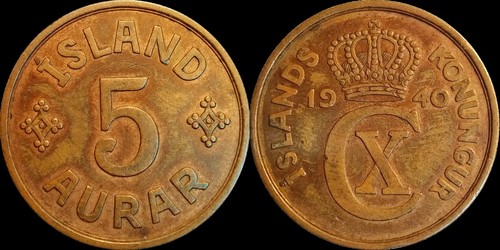
5 Aurar
1926-1942
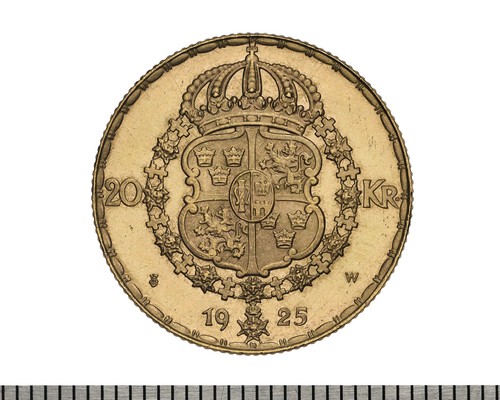
20 Kronor
1925 (denomination struck 1873-1925)
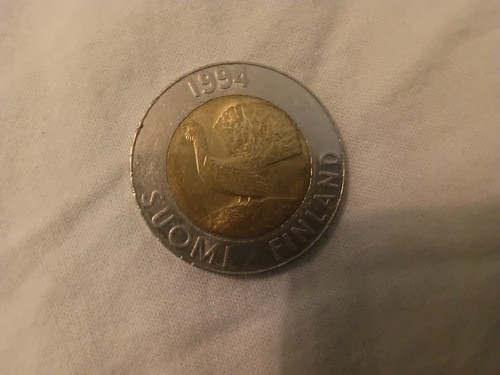
10 Markka
1993–2001
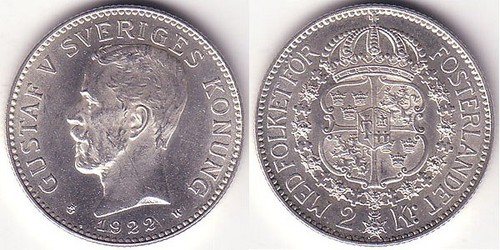
2 Kronor
1910-1940 (this example dated 1922)
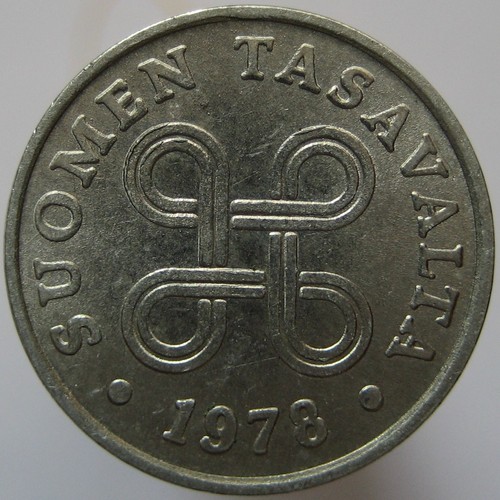
1 Penni
1969–1979
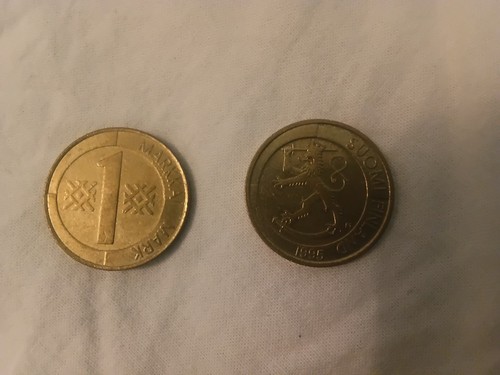
1 Markka
1993–2001
Kenya 5 Shillings
Bimetallic issues (2005–2010)
Kenya 20 Shillings
Modern issue (late 1990s–2000s)
South Africa Farthing
1923-1960
Kenya 10 Shillings
Republic of Kenya, bimetallic issues (mid-1990s to c. 2010)
Gold Sovereign
1817–present
Henri V Five Francs
1831