
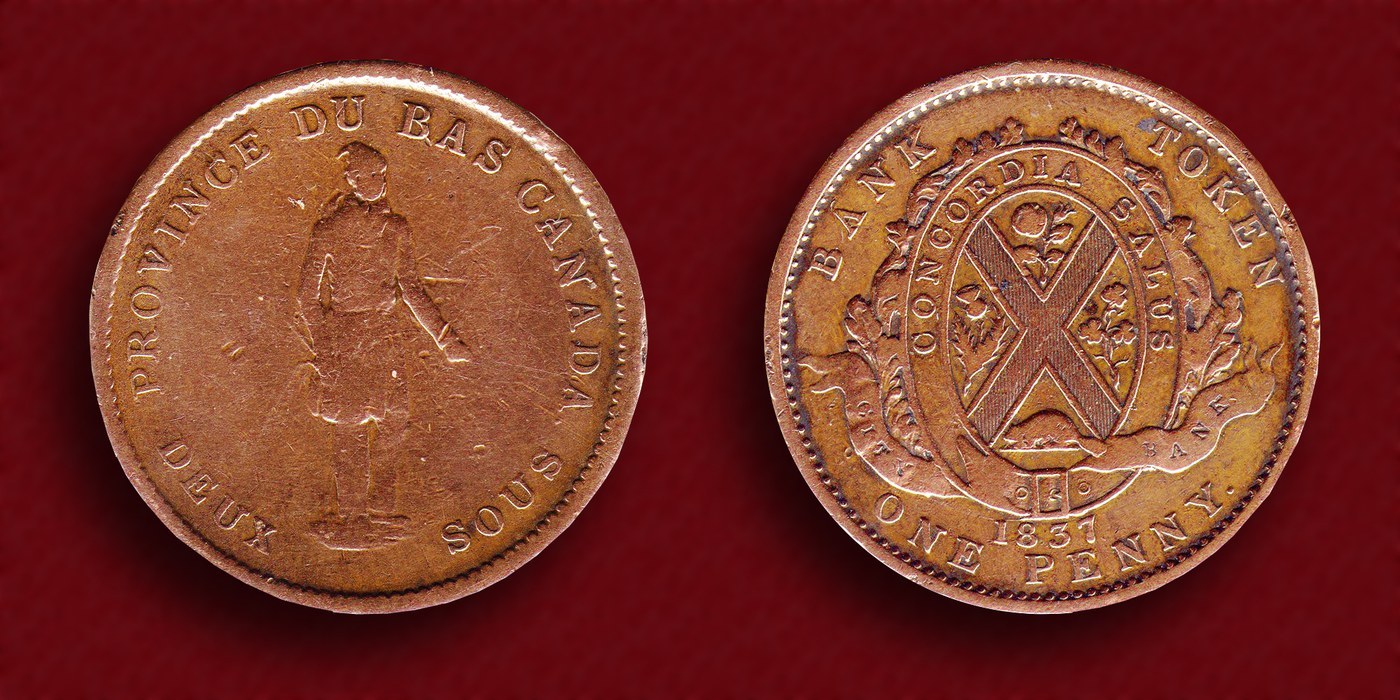
Lower Canada Bank Penny Token
Copper 1837 penny token of Lower Canada with a standing habitant and PROVINCE DU BAS CANADA obverse and a crowned heraldic-arms reverse.
- Country
- Canada
- Denomination
- One Penny
- Metal
- Copper
Got a coin like this?
Identify any coin from a photo, free.
Overview
The piece shown here is a copper one-penny bank token of Lower Canada, dated 1837. The obverse depicts a standing figure of a French-Canadian habitant with the French legend PROVINCE DU BAS CANADA ("Province of Lower Canada"), and the reverse carries an ornate heraldic coat of arms topped by a crowned crest with a lion.
Tokens of this design are widely known to collectors as "Habitant" tokens, after the standing farmer figure on the obverse. They were issued by chartered banks in Lower Canada (the region of present-day Quebec) to supply reliable copper change at a time when official small coinage was scarce. The penny value corresponds to the French "Deux Sous" (two sous), with a matching half-penny "Un Sou" in the same series.
Being struck in copper rather than precious metal, the token was a workhorse of everyday commerce rather than a store of bullion value. Today it is collected as a classic and popular piece of pre-Confederation Canadian numismatic history.
History & Background
In the 1830s the Canadas suffered a chronic shortage of good low-value coin, and a jumble of worn British, French, American, and privately made pieces circulated at inconsistent values. To bring order to their small change, several chartered banks in Lower Canada arranged for uniform copper tokens to be produced, and the best known of these are the Habitant tokens dated 1837.
The series was issued in the name of leading banks of the province, and the standing habitant obverse with PROVINCE DU BAS CANADA became one of the most recognizable images in Canadian token history. The design's French inscriptions and the folk figure of the habitant reflected the French-Canadian character of Lower Canada in the years immediately before the Rebellions of 1837-1838 and the union of Upper and Lower Canada.
Bank tokens of this kind were gradually superseded as the provinces moved toward a regulated decimal coinage in the 1850s and, ultimately, the coinage of the Dominion of Canada after Confederation in 1867. The 1837 Habitant pennies and half-pennies survive in fair numbers and remain a cornerstone of early Canadian token collecting.
How to Identify
Identify this token by its two legends and devices. The obverse shows a standing habitant figure with the French inscription PROVINCE DU BAS CANADA curving around the rim. The reverse displays an elaborate heraldic shield of arms crowned by a crest, with the issuing bank's name and the denomination in the surrounding legend, along with the date 1837.
Confirm the metal and format: the piece is copper (brown to reddish-brown, non-magnetic) and penny-sized, noticeably larger and heavier than its half-penny companion. The penny is the "Deux Sous" value; a smaller piece reading "Un Sou" is the half-penny. Read the reverse legend under a loupe, because the bank name and the exact denomination wording are what pin down the specific issue within the series.
Be cautious with attribution. Several banks used closely related versions of this design in the same year, and many minor die varieties exist. Do not assume a particular bank or variety from the general look alone; match the full reverse legend and compare it against a Canadian token reference before drawing firm conclusions.
Value & Collectibility
The 1837 Habitant penny tokens are relatively available, and worn, honest examples typically trade in the low tens of dollars. Coins with sharp detail in the habitant figure and the heraldic arms, clean surfaces, and even brown color bring higher prices, and scarcer die varieties or exceptional grades command notable premiums among specialists.
Condition and originality drive value. A token with a full, legible legend, a well-struck figure, and original patina is worth a multiple of a smooth, corroded, cleaned, or holed piece. Harsh cleaning or polishing lowers desirability, so unmolested surfaces are strongly preferred.
Because specific banks and varieties within the 1837 series differ in scarcity, treat any single figure as indicative only. For an example you believe is a better variety or an above-average grade, seek an opinion from a Canadian-token specialist before buying, selling, or insuring it.
Frequently asked questions
What is a Lower Canada Bank Penny Token?
It is a copper one-penny token issued by chartered banks in Lower Canada (present-day Quebec), dated 1837, showing a standing habitant with PROVINCE DU BAS CANADA and a crowned coat of arms on the reverse.
Why is it called a "Habitant" token?
The nickname comes from the standing French-Canadian habitant (farmer) figure on the obverse, which is the most recognizable feature of the 1837 Lower Canada bank tokens.
What does "PROVINCE DU BAS CANADA" mean?
It is French for "Province of Lower Canada," the pre-Confederation colony corresponding to much of modern Quebec, reflecting the French-Canadian character of the region.
Is the penny token made of precious metal?
No. It is copper, a base metal, so its value is numismatic and historical rather than based on bullion content.
How much is an 1837 Lower Canada penny token worth?
Circulated examples are often in the low tens of dollars, with sharper pieces, better varieties, and high grades worth more. Have a specific token assessed by a Canadian-token specialist.
Lower Canada Bank Penny Token guides
In-depth guides for identifying, valuing, and collecting Lower Canada Bank Penny Token.
Other coins you may enjoy
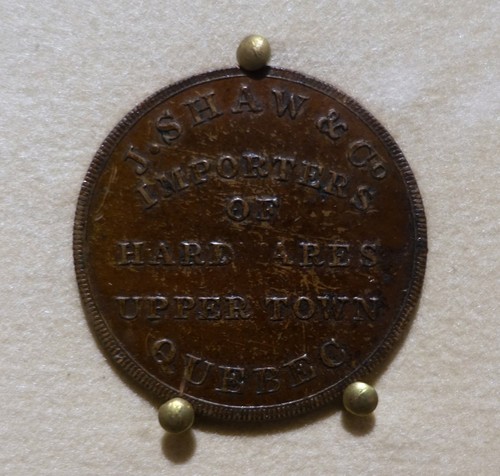
J. Shaw & Co. Hardware Token
circa 1850s
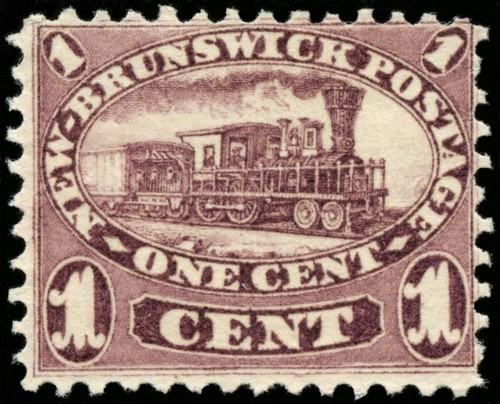
New Brunswick One Cent
Dated 1860 (locomotive token type)
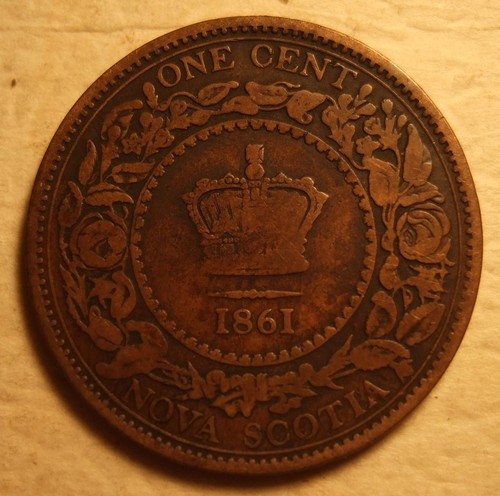
Nova Scotia One Cent
1861-1864
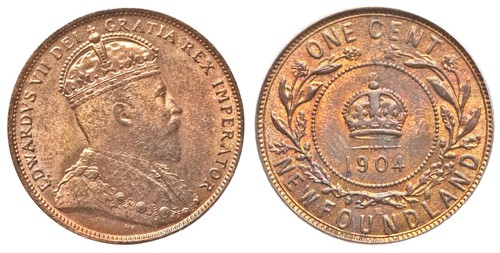
Newfoundland One Cent
1865-1936
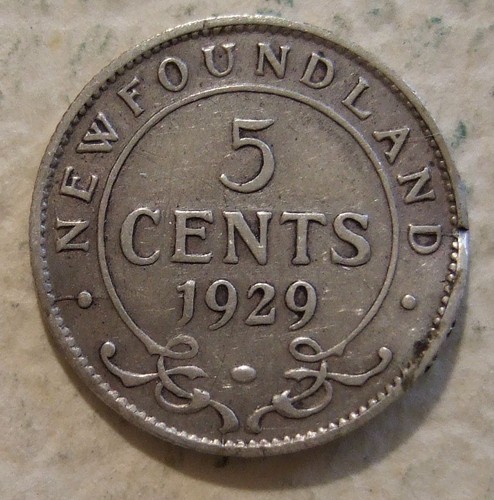
Newfoundland Five Cents
1865-1947
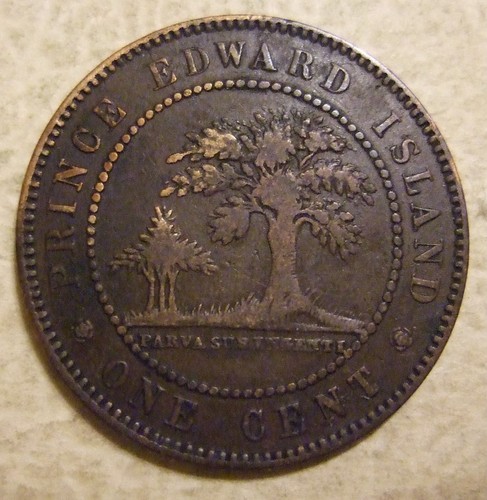
Prince Edward Island One Cent
1871
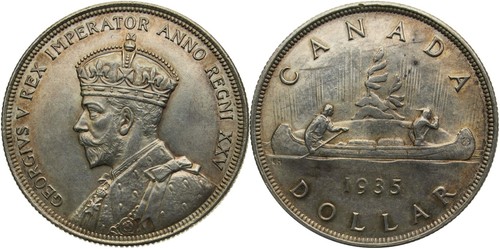
Canadian Silver Dollar
1935
Canadian Five Cents (Nickel)
1937–present (beaver reverse; example shown: 1987)
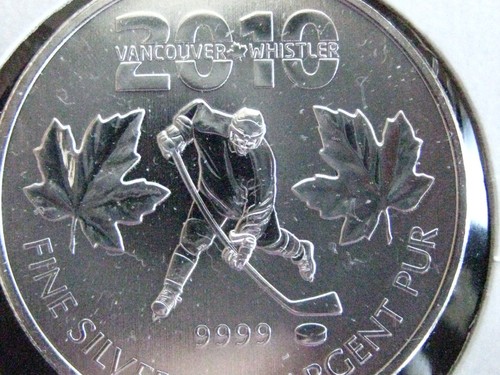
Olympic Hockey Commemorative Dollar
2010
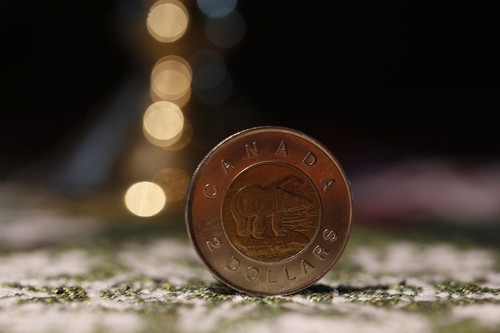
Canadian Two Dollar (Toonie)
1996-present
Newfoundland Two Dollars
1865-1888
Canadian One Cent
1858-1920 (large cent series); example dated 1911