
Coin Encyclopedia
Search and identify coins from around the world — with country, denomination, metal, mint, history, and how to tell them apart.
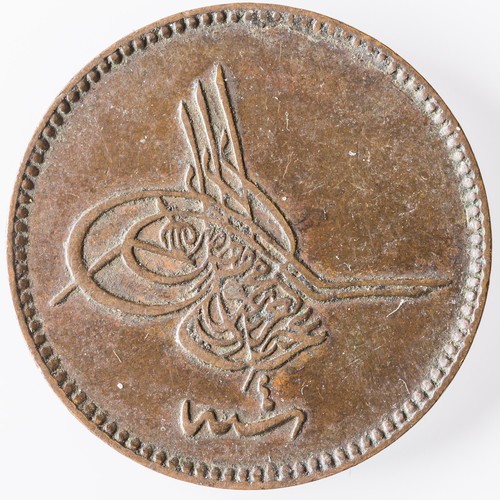
10 Para
Small Ottoman silver 10 Para dated AH 1280 (1863-1864), with the sultan's calligraphic tughra on one side and an ornamental Arabic-script inscription on the other.
Early Modern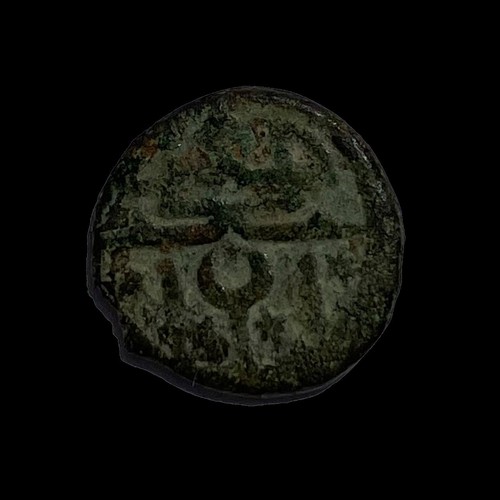
Ottoman Manghir
The manghir was the small copper coin of the Ottoman Empire, used for everyday change; this example bears a tughra and dates to the reign of Murad II.
Medieval Islamic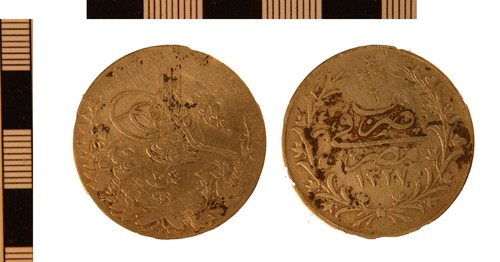
Ottoman Silver Coin
A silver coin of the Ottoman Empire bearing the sultan's tughra monogram amid floral ornament, with Arabic-script inscriptions on the reverse.
World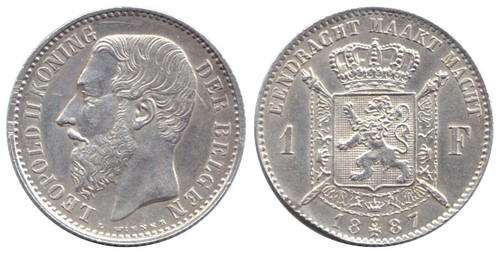
1 Franc (Leopold II)
A late-19th-century Belgian silver franc of King Leopold II, with his left-facing profile on the obverse and a crowned coat of arms on the reverse.
Modern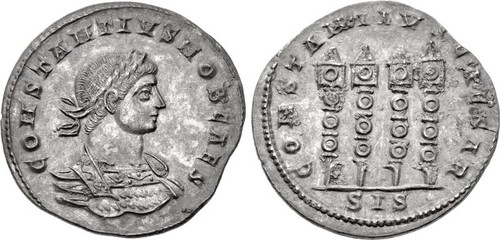
Miliarensis of Constantius II
A late Roman silver miliarensis of Emperor Constantius II (AD 327–361), showing his diademed portrait and a standing reverse figure.
Ancient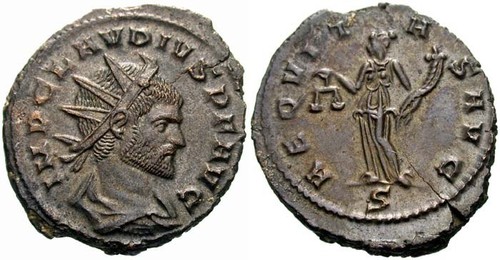
Antoninianus of Claudius II
A billon antoninianus of the Roman emperor Claudius II Gothicus (268–270 AD), showing his radiate bust on one side and a standing deity on the other.
Ancient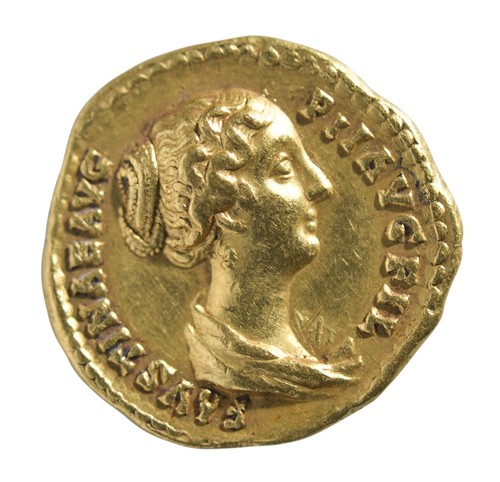
Aureus of Faustina II
Roman imperial gold coin with the draped bust of Faustina II, daughter of Antoninus Pius and wife of Marcus Aurelius, struck around 147-150 AD.
Ancient Coins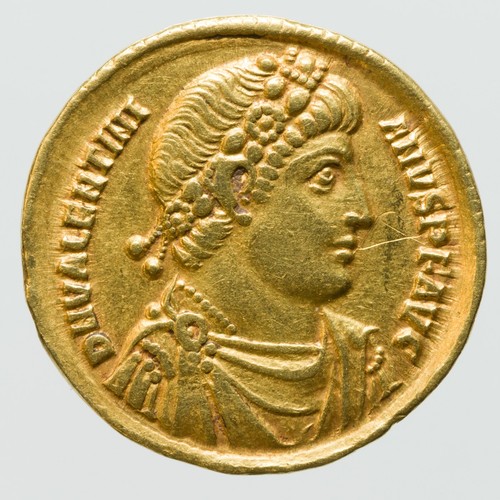
Solidus of Valentinian II
A late Roman gold solidus struck for Valentinian II, showing his diademed profile with the obverse legend D N VALENTINIANVS, from the 380s AD.
Ancient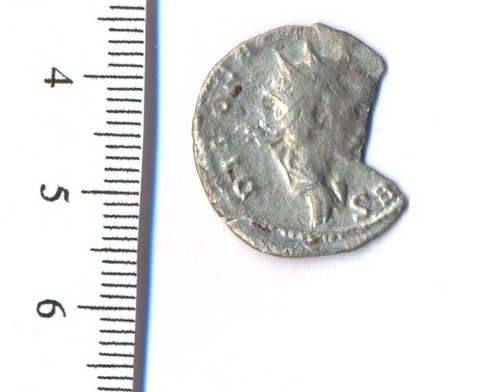
Antoninianus of Valerian II
Roman radiate coin of Valerian II, the young Caesar (c. 253-260 AD), showing his spiked crown and a standing figure on the reverse.
Ancient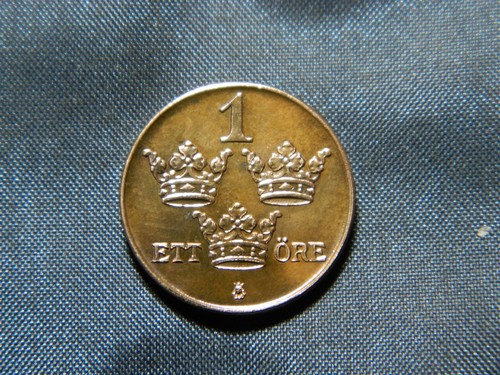
1 Öre
A small copper 1 öre of Sweden dated 1873, with a left-facing profile of King Oscar II, the legend SVERIGE OCH NORGE, and the value in a laurel wreath.
Modern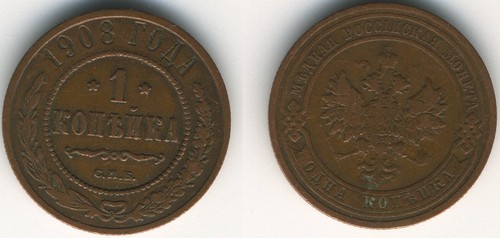
1 Kopeck
Small copper 1 Kopeck of Imperial Russia dated 1908, with the value in a wreath on one side and the crowned double-headed eagle on the other.
Modern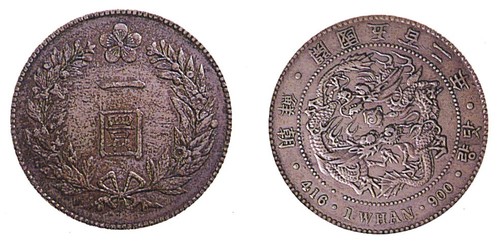
1 Hwan
A late-Joseon Korean bronze coin of one hwan, carrying a chrysanthemum-and-cartouche obverse and a traditional dragon motif with East Asian characters on the reverse.
Historic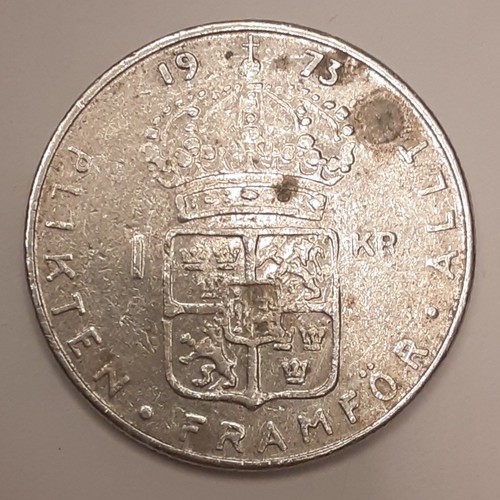
1 Krona (Gold)
A gold 1 krona of Sweden dated 1906, bearing the left-facing portrait of King Oscar II and the Swedish royal coat of arms with lions and three crowns.
Modern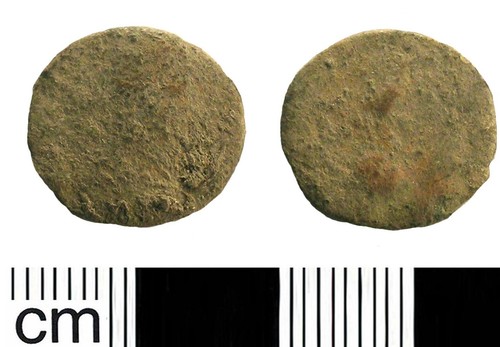
Half Centenionalis of Constans or Constantius II
A small mid-4th-century Roman bronze attributed to Constans or Constantius II, sons of Constantine the Great, worn but identifiable by its imperial portrait and era.
Ancient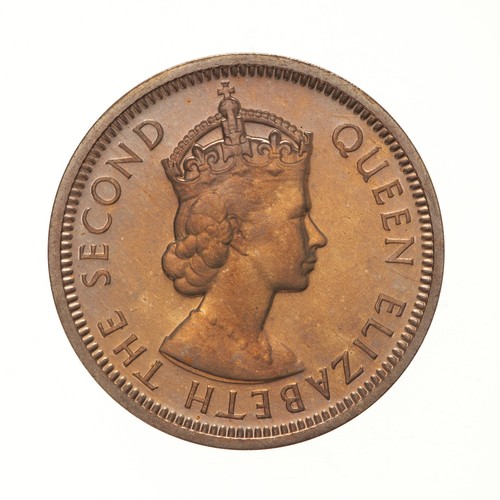
Belize 1 Cent
A small bronze one-cent coin from the Caribbean nation now called Belize, carrying a portrait of Queen Elizabeth II and dated 1954.
Circulation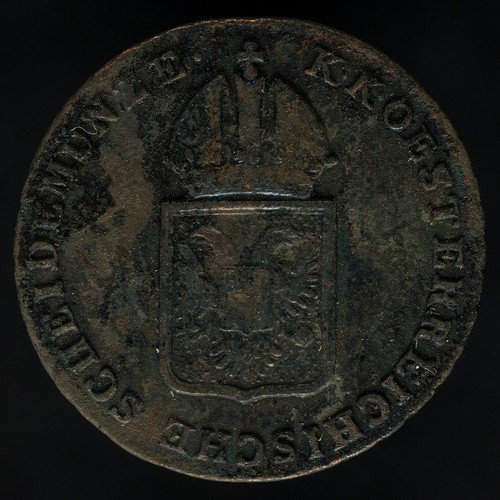
Austria-Hungary 1/4 Kreuzer
A small copper 1/4 Kreuzer of the Austrian Empire dated 1816, showing Emperor Franz I in crowned right-facing profile.
Circulation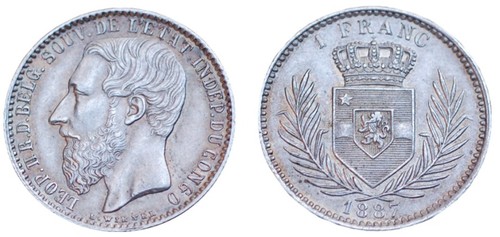
Belgian Congo 1 Franc
An early silver franc struck for the Congo under King Leopold II, pairing a laureate portrait with grain stalks and the value.
World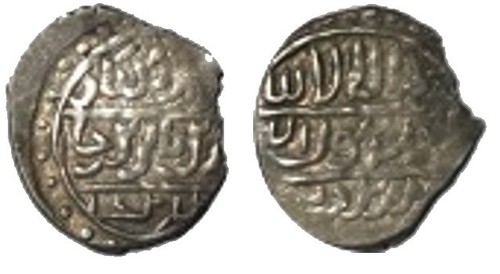
Akçe
The akçe was the tiny silver coin at the heart of the early Ottoman economy, struck with Arabic-script inscriptions and no portrait or figural imagery.
Medieval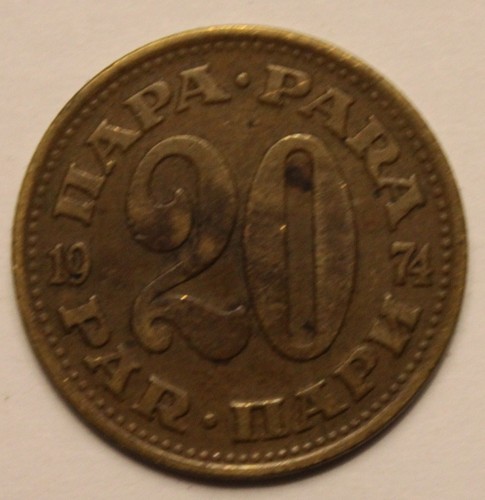
20 Para
A small base-metal coin of socialist Yugoslavia, showing the value 20 with the date 1974 on one side and the six-flame Yugoslav state emblem on the other.
Modern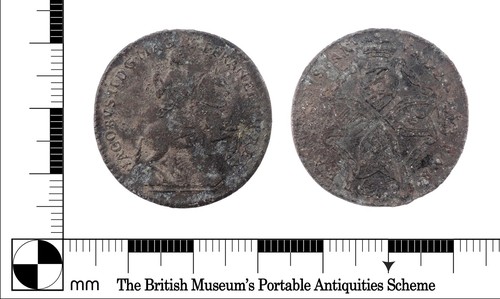
American Plantations Token
A 1688 tin token struck under James II for England's American colonies, valued at 1/24 of a Spanish real — the first regal-authorized coinage for British America.
Colonial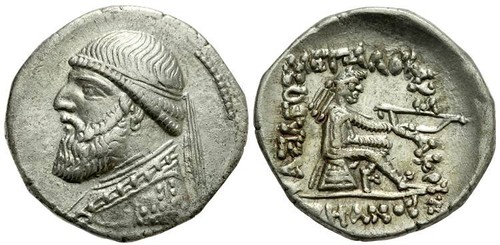
Parthian Drachm
Silver drachm of the Parthian (Arsacid) Empire, pairing a bearded royal profile with a seated archer holding a bow, struck in the era of Mithradates II.
Ancient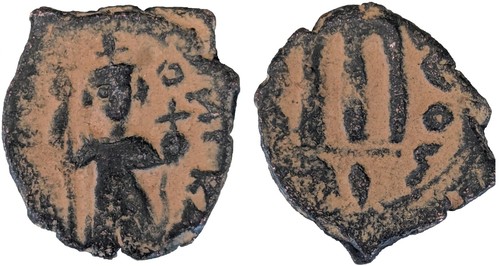
Byzantine Follis
Large bronze follis of the Byzantine Empire, this example under Constans II (from 641 AD), with an imperial portrait and a big M value mark topped by a cross.
Medieval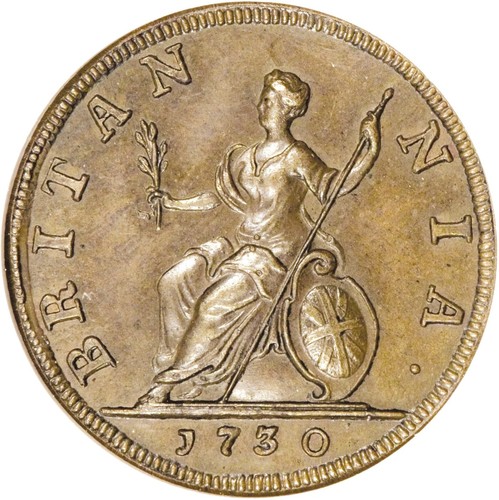
British Farthing
Small copper farthing of King George II, with his laureate bust facing left and a seated Britannia on the reverse; struck in the 1730s.
British Isles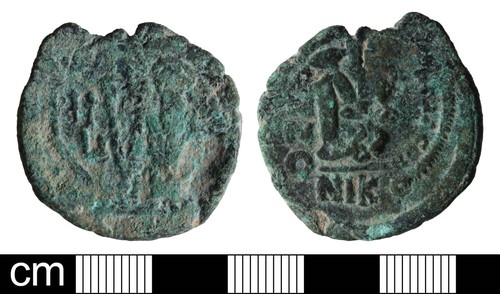
Byzantine Nummus of Tiberius Constantine
A small bronze coin of Byzantine emperor Tiberius II Constantine (AD 578-582), with an imperial portrait or inscription and a mark of value or monogram.
Ancient