
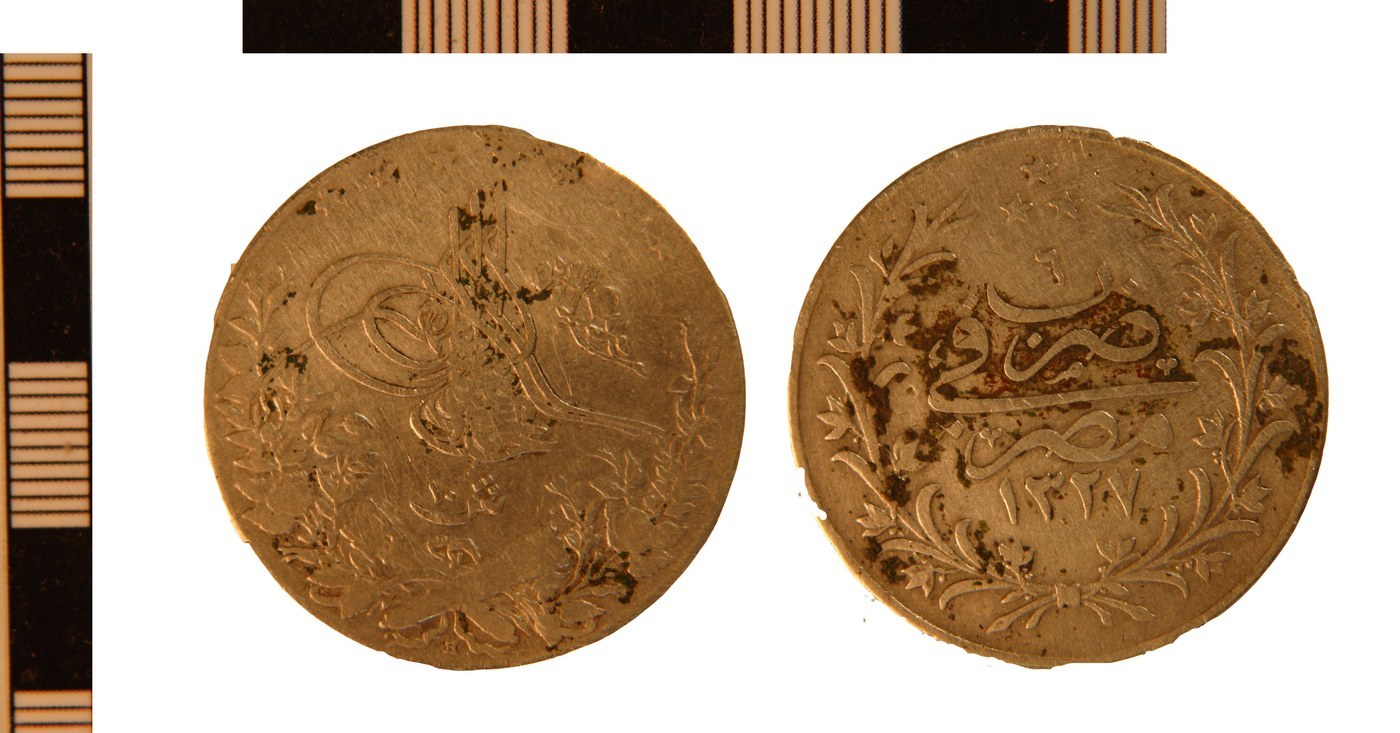
Ottoman Silver Coin
A silver coin of the Ottoman Empire bearing the sultan's tughra monogram amid floral ornament, with Arabic-script inscriptions on the reverse.
- Country
- Ottoman Empire
- Denomination
- Unknown
- Metal
- Silver
Got a coin like this?
Identify any coin from a photo, free.
Overview
The Ottoman silver coin shown here is identified by the sultan's tughra, the elaborate calligraphic monogram of the reigning ruler, set among floral and decorative flourishes on the obverse. The reverse carries Arabic-script inscriptions framed by botanical ornament. These are the two defining marks of Ottoman silver money.
The Ottoman Empire struck silver coinage in many denominations across its long history, from the tiny medieval akce to the later para, kurus, and their fractions. Without a legible denomination, mint name, or accession date on this particular piece, it is best described broadly as an Ottoman silver coin rather than pinned to one exact issue.
Coins of this general type were produced at mints across a vast realm spanning southeastern Europe, Anatolia, the Levant, and North Africa, and they turn up frequently in world-coin and Islamic-coin collections today.
History & Background
The Ottoman Empire minted silver coinage from its early centuries through its dissolution after the First World War. The earliest standard silver unit was the small, thin akce; over time debasement and reform introduced larger pieces such as the para, the kurus (piastre), and their multiples and fractions.
A hallmark of Ottoman coinage is the tughra, a stylized calligraphic seal unique to each sultan that served as his official signature and appears prominently on the coins. Inscriptions typically invoke the sultan, his lineage, and phrases affirming his rule, along with the mint city and an accession or regnal year rendered in the Islamic (Hijri) calendar and Arabic numerals.
Because the empire endured for roughly six centuries and struck coins at dozens of mints under many rulers, Ottoman silver survives in enormous variety. Designs grew more ornate over time, and the floral and botanical decoration seen framing the tughra and reverse legends became increasingly elaborate in the later imperial period.
How to Identify
Look first at the obverse for the tughra: a sweeping, looped calligraphic monogram, here surrounded by floral decorative elements. The tughra is the single most recognizable feature of Ottoman coinage and immediately marks a coin as Ottoman rather than from another Islamic state.
The reverse of this coin carries Arabic-script inscriptions accompanied by botanical ornament. On many Ottoman issues these legends name the mint and give a Hijri accession year, sometimes with a small regnal-year number added; the metal is silver, generally showing gray toning. Sizes and weights vary enormously by denomination, from tiny sub-gram fractions to larger multi-gram pieces.
Because a specific denomination, mint, and date are not clearly established for this example, treat it as a representative Ottoman silver coin. Precise attribution depends on reading the mint name and Hijri year in the legend and matching the tughra to a particular sultan, work usually done with an Islamic-coinage reference or a specialist.
Value & Collectibility
Ottoman silver coins are collected worldwide and span a very wide range of values. Common later-period pieces in worn condition are often modest, trading in the low tens of dollars, while scarce rulers, early mints, high grades, or unusual denominations can command substantially more.
Value depends heavily on the exact sultan, mint, denomination, date, and state of preservation, none of which is firmly fixed for a coin identified only by its tughra and inscriptions. A well-struck, fully legible example with clear tughra and readable legends will always be worth more than a worn or clipped one.
Because this piece is described generically rather than attributed to a specific issue, any figure should be treated as broad context only. A proper valuation requires reading the mint and Hijri date, identifying the sultan, and comparing against recent sales of that specific type.
Frequently asked questions
What is the swirling design on the front of the coin?
That is the tughra, the ornate calligraphic monogram of the reigning Ottoman sultan. It functioned as his official signature and is the classic identifying mark of Ottoman coinage.
What denomination is this coin?
It cannot be stated with certainty from the images alone. The Ottomans struck many silver denominations such as the akce, para, and kurus, so without a legible value or mint legend it is best called simply an Ottoman silver coin.
How old is it?
The Ottoman Empire minted silver from roughly the 14th century until the early 20th century. Pinning down the exact age requires reading the Hijri accession year in the legend and matching the tughra to a specific sultan.
Is the writing on the coin Arabic?
The script is Arabic script, used to write Ottoman Turkish as well as Arabic religious and royal formulas. The legends typically name the sultan and mint and give a date in the Islamic calendar.
Is this coin valuable?
It ranges widely. Common worn examples are often modest, while scarce sultans, early mints, or high grades can be worth considerably more. Value hinges on identifying the exact sultan, mint, denomination, and date.
Ottoman Silver Coin guides
In-depth guides for identifying, valuing, and collecting Ottoman Silver Coin.
Other coins you may enjoy
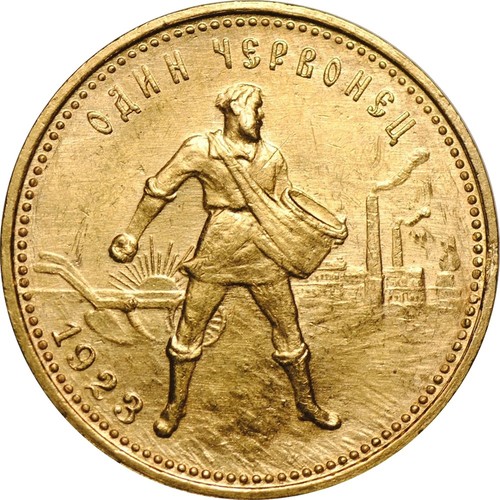
Gold Chervonets
1923
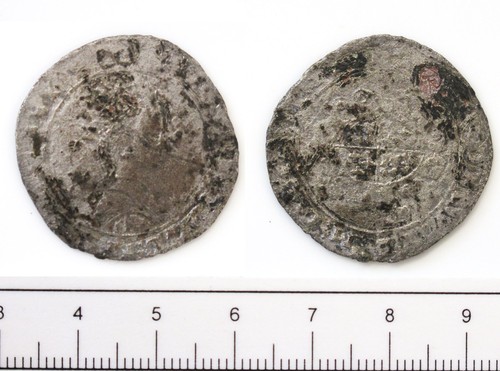
Shilling of Edward VI
1547–1553 (reign of Edward VI)
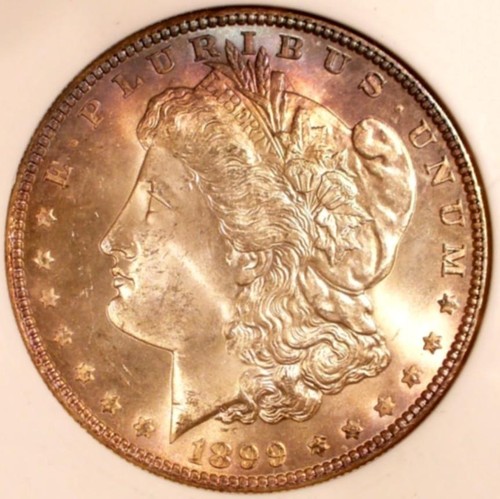
French Silver Franc
c. 1871–1920 (example dated 1899)
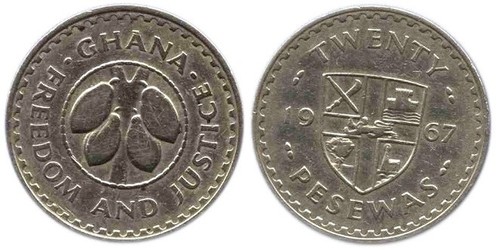
Ghana 20 Pesewas
1967
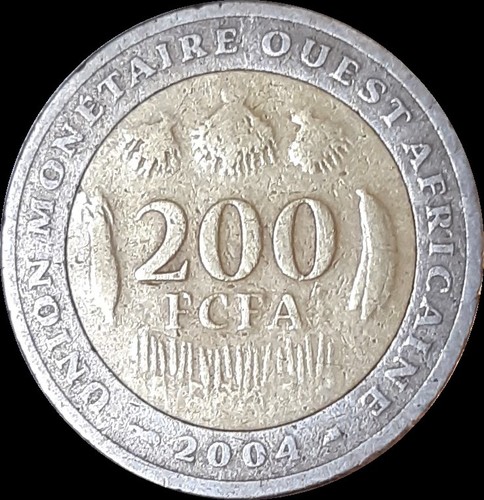
200 CFA Francs
2003–present
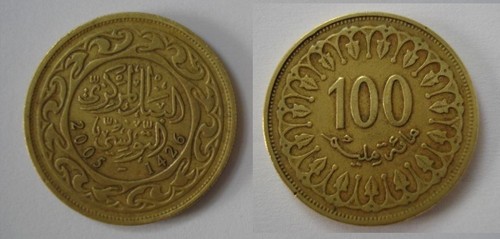
Tunisia 100 Millimes
1983–2005 (this brass type)
Israel Half Lira (25th Anniversary)
1973 (5733)
Israel 100 Sheqalim Hanukka Commemorative
1985
British West Africa 2 Shillings
1936–1952 (George VI type)
British Florin
Victorian issues c. 1849–1901 (example dated 1890)
Swiss 5 Francs
1888–1916 (this design)
North Yemen 1 Rial
1963 (AH 1382)