
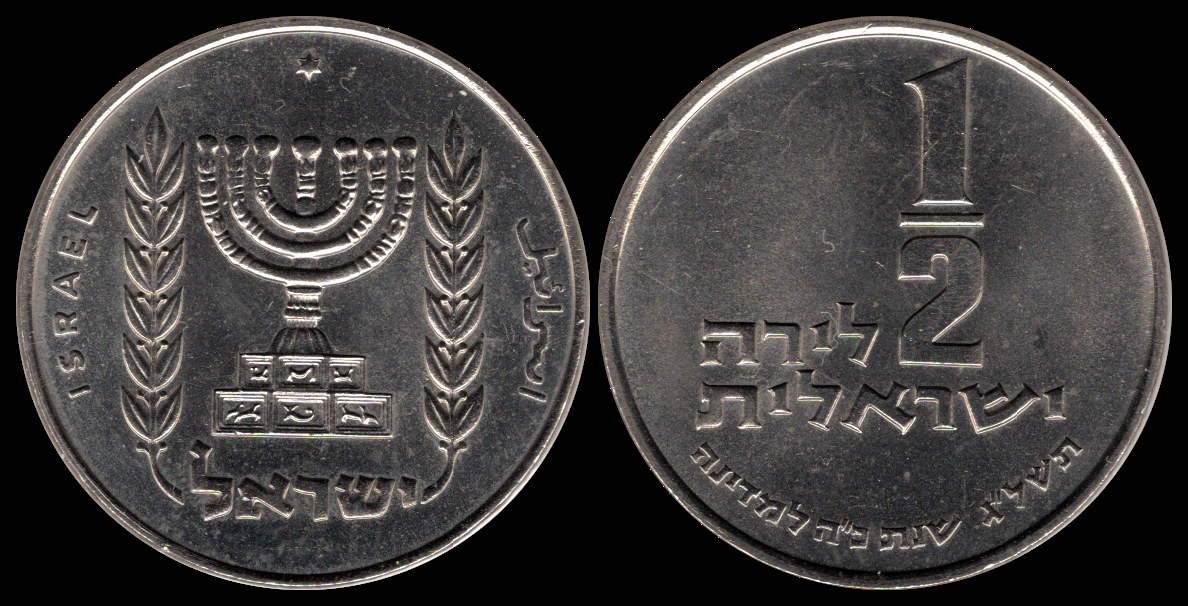
Israel Half Lira (25th Anniversary)
A silver Israeli half lira dated 1973, the year the young state marked 25 years of independence, carrying a menorah-and-sprigs emblem and a Hebrew value.
- Country
- Israel
- Denomination
- 0.5 Lira
- Metal
- Silver
Got a coin like this?
Identify any coin from a photo, free.
Overview
This is an Israeli half lira (chatzi lira) dated 1973, a small coin struck during the year the State of Israel observed its 25th anniversary of independence. The face shown here carries a seven-branched menorah flanked by curved sprigs, the same emblematic motif used on Israel's small change of the era, while the opposite face states the denomination in Hebrew above the date.
The half lira sat in the middle of Israel's pre-1980 coinage, between the agora and the full lira. The example photographed is a silver striking, distinguishing it from the ordinary copper-nickel pieces that circulated hand to hand; silver examples were made for collectors and commemorative sets rather than for daily use.
With its clean, purely symbolic design and Hebrew legends, the coin is a compact piece of early Israeli statehood, tying a national emblem to the milestone year of 1973.
History & Background
Israel adopted the lira (Hebrew for pound, also written I£ or IL) as its currency after independence in 1948, dividing it into 100 agorot from 1960. The half lira denomination was issued through the 1960s and 1970s before the lira was eventually replaced by the shekel at the end of the decade.
The year 1973 on this coin corresponds to the Hebrew year 5733 (תשל"ג) and falls on the 25th anniversary of the founding of the state in 1948. Israel's mint and its coins-and-medals authority marked such milestones with special strikings and sets, and silver versions of the regular denominations were produced for collectors alongside the base-metal coins meant for circulation.
Designs of this period leaned heavily on ancient and religious symbolism, chiefly the menorah, which also forms the centerpiece of Israel's state emblem. That continuity linked the modern republic's money to a symbol reaching back to antiquity.
How to Identify
Look first at the emblem face: a seven-branched menorah rising from a base, framed by a pair of curving sprigs. This motif, drawn from the national emblem, is the quickest way to place the coin as Israeli. The other face gives the denomination in Hebrew and the year, with the Latin-numeral date 1973 typically paired with the Hebrew year 5733 (תשל"ג).
The piece is small and light, in keeping with a half-unit coin. Because this example is silver rather than the common copper-nickel, expect a brighter white metal and, on well-preserved pieces, a proof-like or frosted surface consistent with a collector striking. All principal legends are in Hebrew, including the country name and the value; there is no English text on the design.
Exact reeding, weight, and fineness vary by striking type, so measure and weigh a specific coin rather than assuming figures. The combination of the menorah-and-sprigs emblem, a Hebrew half-lira value, and the 1973 / 5733 date is the diagnostic signature of this type.
Value & Collectibility
Israeli half lira coins of this era are widely collected but were made in quantity, so most examples are affordable. A silver striking like the one shown generally carries more value than an ordinary circulation piece, reflecting both its metal content and its status as a collector or commemorative issue.
Condition drives price: bright, unhandled proof-like pieces with sharp menorah detail sit at the top of the range, while worn or cleaned coins bring less. Original packaging, a mint holder, or an accompanying certificate from a period set can add to desirability.
As with any silver coin, part of the value tracks the precious-metal price, setting a floor beneath collector demand. Treat any single figure as a rough guide and confirm against recent sales of the same striking type and grade rather than a fixed catalog number.
Frequently asked questions
Why is this coin linked to Israel's 25th anniversary?
It is dated 1973, which is 25 years after the state was founded in 1948. Israel marked that milestone with special coins and sets, and silver strikings of the regular denominations were made for collectors in that period.
What is the symbol on the coin?
It is a seven-branched menorah flanked by sprigs, the same emblem used for Israel's state coat of arms. It appears widely on Israeli coinage of the era and roots the modern currency in an ancient symbol.
What does the Hebrew writing say?
The legends give the country name and the denomination, half lira (chatzi lira), along with the date. The design is entirely in Hebrew, with no English text.
Is a silver half lira different from the ones that circulated?
Yes. Everyday half lira coins were struck in copper-nickel, while silver examples were produced for collectors and special sets. A silver piece is a collector striking rather than pocket change.
How much is it worth?
Most are modest, but a silver example is worth more than a base-metal circulation coin because of its metal and collector status. Condition and any original packaging matter, and part of the value follows the silver price.
Israel Half Lira (25th Anniversary) guides
In-depth guides for identifying, valuing, and collecting Israel Half Lira (25th Anniversary).
Other coins you may enjoy
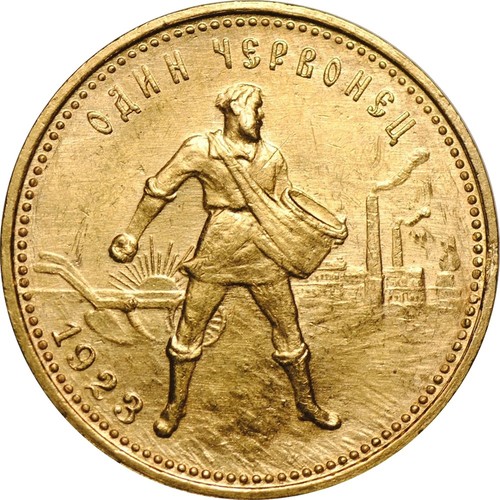
Gold Chervonets
1923
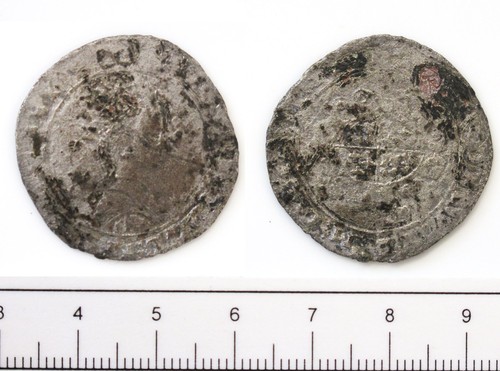
Shilling of Edward VI
1547–1553 (reign of Edward VI)
French Silver Franc
c. 1871–1920 (example dated 1899)
Ghana 20 Pesewas
1967
200 CFA Francs
2003–present
Tunisia 100 Millimes
1983–2005 (this brass type)
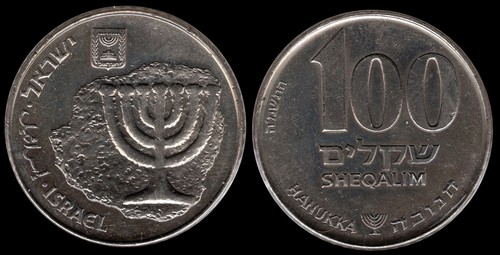
Israel 100 Sheqalim Hanukka Commemorative
1985
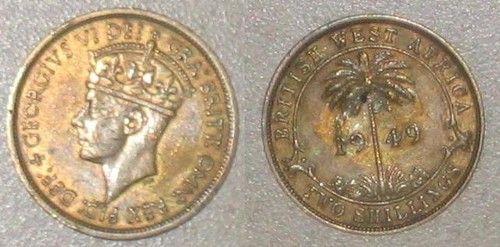
British West Africa 2 Shillings
1936–1952 (George VI type)
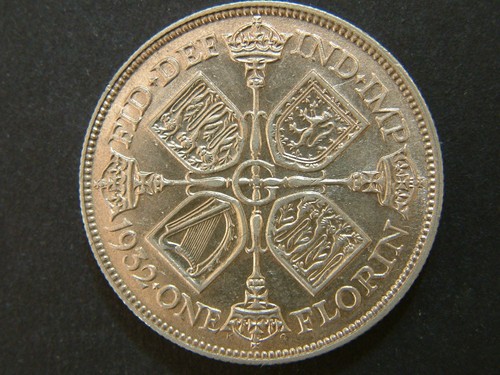
British Florin
Victorian issues c. 1849–1901 (example dated 1890)
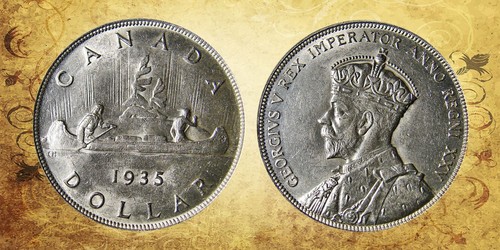
Swiss 5 Francs
1888–1916 (this design)
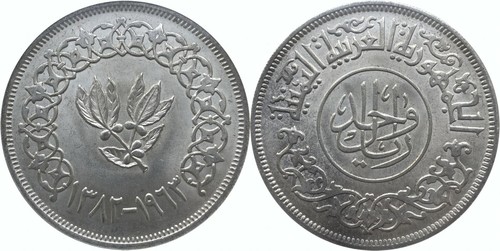
North Yemen 1 Rial
1963 (AH 1382)
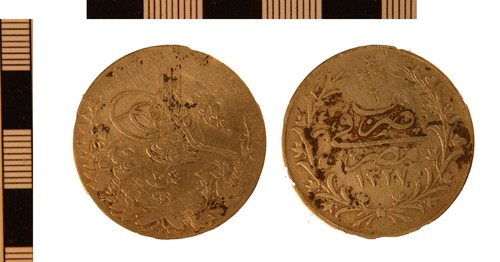
Ottoman Silver Coin
Ottoman era (c. 14th–early 20th century)