
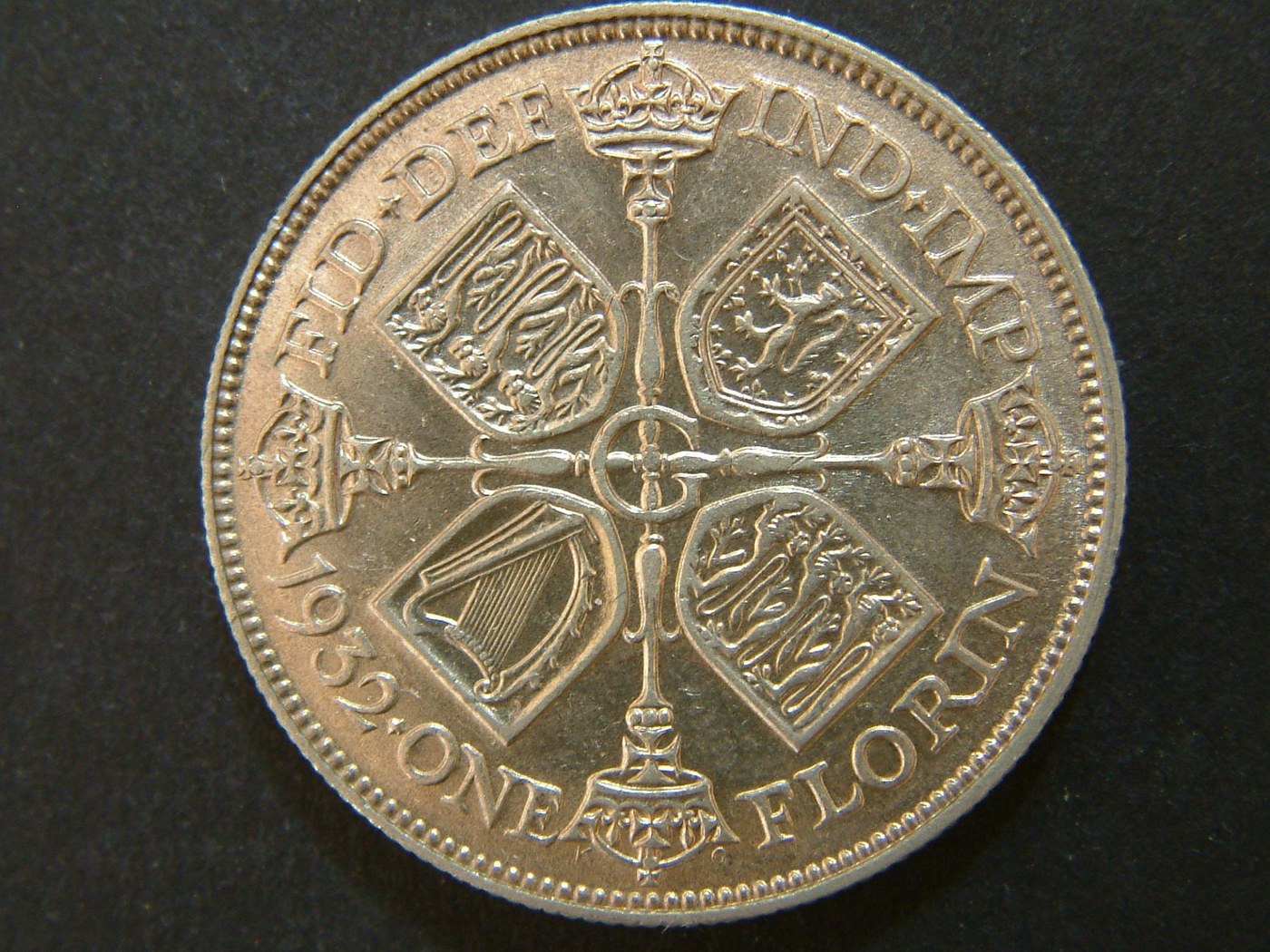
British Florin
A Victorian silver two-shilling florin with a crowned, veiled Victoria and a heraldic crowned-shields reverse; the pictured coin is dated 1890.
- Country
- United Kingdom
- Denomination
- Florin (2 Shillings)
- Metal
- Silver
Got a coin like this?
Identify any coin from a photo, free.
Overview
The British florin is a silver two-shilling coin of the United Kingdom, equal to one-tenth of a pound and introduced in the 19th century as an early step toward decimal coinage. The example photographed here shows the mature Victorian design: an obverse portrait of Queen Victoria facing left, wearing a crown and veil, encircled by the Latin legend VICTORIA DEI GRATIA ("Victoria, by the Grace of God"). It is dated 1890.
The reverse is heraldic, built around crowned royal shields separated by crosses and other regal emblems such as crowns and sceptres. This crowned-shields motif is characteristic of the later Victorian florins and gives the coin an ornate, medallic appearance. Florins of this period are widely collected as attractive and affordable Victorian silver type coins.
History & Background
The florin was first issued in 1849 as a two-shilling piece worth one-tenth of a pound, an experiment intended to ease Britain toward a decimal currency. Its early "Godless" and "Gothic" florins are famous, but the denomination continued to evolve through Victoria's long reign, passing through several distinct portrait and reverse styles.
The coin shown belongs to Victoria's later coinage, when she was depicted as an older, veiled and crowned monarch — the so-called "Jubilee" and later "Old Head" portraits used in the closing decades of the 19th century. Florins remained a staple of British silver coinage well into the 20th century, and the two-shilling denomination carried forward as the direct ancestor of the ten-pence piece after decimalization in 1971.
How to Identify
Look for a silver coin roughly 28–30 mm across with a reeded (grooved) edge, larger than a shilling but smaller than a crown. The obverse shows Queen Victoria facing left wearing both a crown and a veil, with the legend VICTORIA DEI GRATIA around the portrait; the date, here 1890, and the balance of the Latin titles typically appear in the surrounding legends.
The reverse is the key diagnostic: instead of a single large shield it uses a symmetrical arrangement of crowned royal shields separated by crosses, with crowns and other heraldic emblems filling the design. This crowned-shields layout, combined with the veiled crowned bust, identifies the later Victorian "Jubilee Head" florin. Confirming the exact type means reading the full legend and date and comparing the portrait and shield arrangement against catalog references for the specific year.
Value & Collectibility
The Victorian florin is a fairly common silver type coin, and most circulated examples trade on a combination of their silver content and a modest collector premium. Each coin is struck in sterling-standard silver but is small, so worn common-date pieces are generally inexpensive and valued near bullion plus a collector markup.
Condition, date, and portrait type drive the price. Well-worn coins are affordable, while sharply struck, lightly circulated or uncirculated examples with full heraldic detail command clear premiums. Certain dates, die varieties, and the scarcer early or transitional types can be worth substantially more. For an accurate figure, identify the exact date and portrait, grade the coin honestly, and check recent sales of matching examples rather than relying on a single catalog value.
Frequently asked questions
What is a British florin worth in shillings?
A florin was worth two shillings, or one-tenth of a pound, under the old pre-decimal British currency system. This is why it is often called a two-shilling piece.
What does VICTORIA DEI GRATIA mean?
It is Latin for "Victoria, by the Grace of God," a standard part of the royal titles inscribed around the queen's portrait on British coinage of her reign.
Is an 1890 Victorian florin rare?
Not especially. Late Victorian florins were struck in quantity, so common-date circulated examples are readily available and modestly priced. Value rises mainly with better preservation or scarcer dates and varieties.
Is the florin made of real silver?
Yes. Victorian florins were struck in sterling-standard silver. Because the coin is relatively small, each contains only a fraction of a troy ounce of pure silver; weigh your specific coin to estimate its silver content.
How is the florin related to the ten-pence coin?
The two-shilling florin was equal to one-tenth of a pound, so at decimalization in 1971 it corresponded directly to the new ten-pence piece, which circulated alongside old florins for years.
British Florin guides
In-depth guides for identifying, valuing, and collecting British Florin.
Other coins you may enjoy
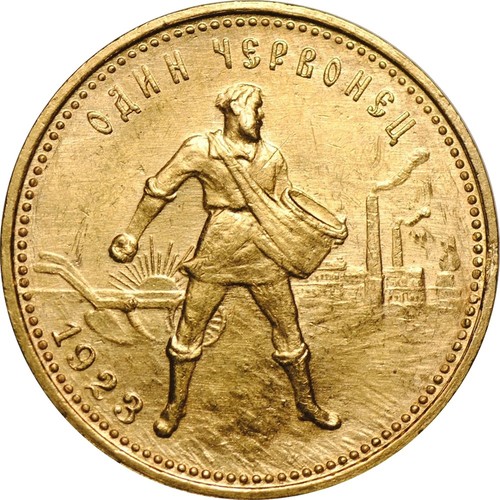
Gold Chervonets
1923
Shilling of Edward VI
1547–1553 (reign of Edward VI)
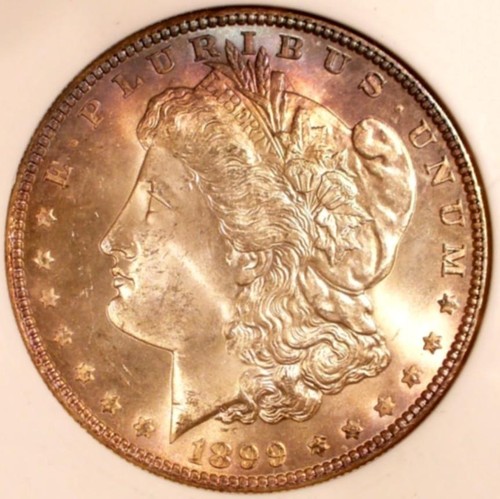
French Silver Franc
c. 1871–1920 (example dated 1899)
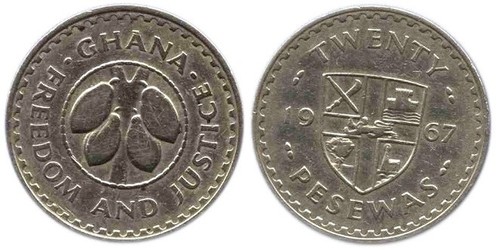
Ghana 20 Pesewas
1967
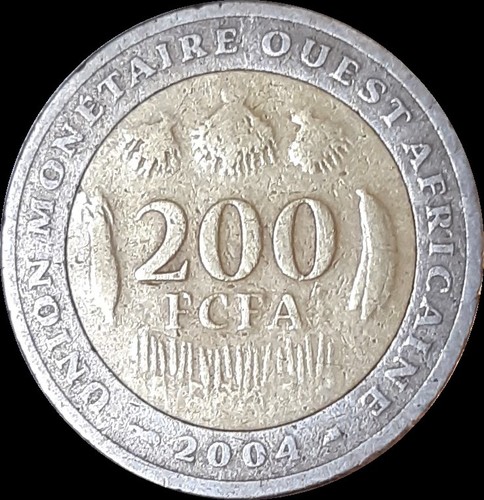
200 CFA Francs
2003–present
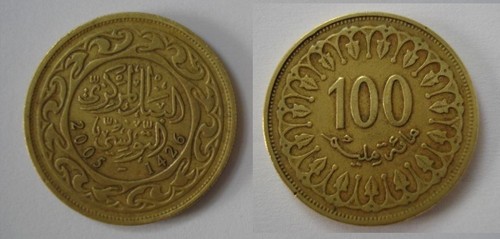
Tunisia 100 Millimes
1983–2005 (this brass type)
Israel Half Lira (25th Anniversary)
1973 (5733)
Israel 100 Sheqalim Hanukka Commemorative
1985
British West Africa 2 Shillings
1936–1952 (George VI type)
Swiss 5 Francs
1888–1916 (this design)
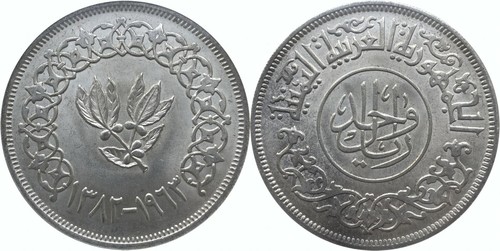
North Yemen 1 Rial
1963 (AH 1382)
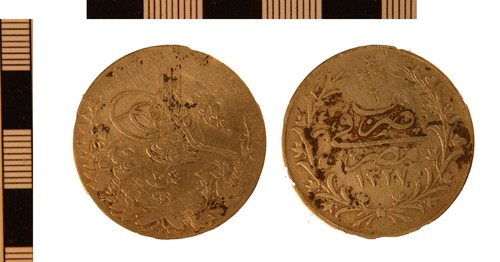
Ottoman Silver Coin
Ottoman era (c. 14th–early 20th century)