
Gold Chervonets
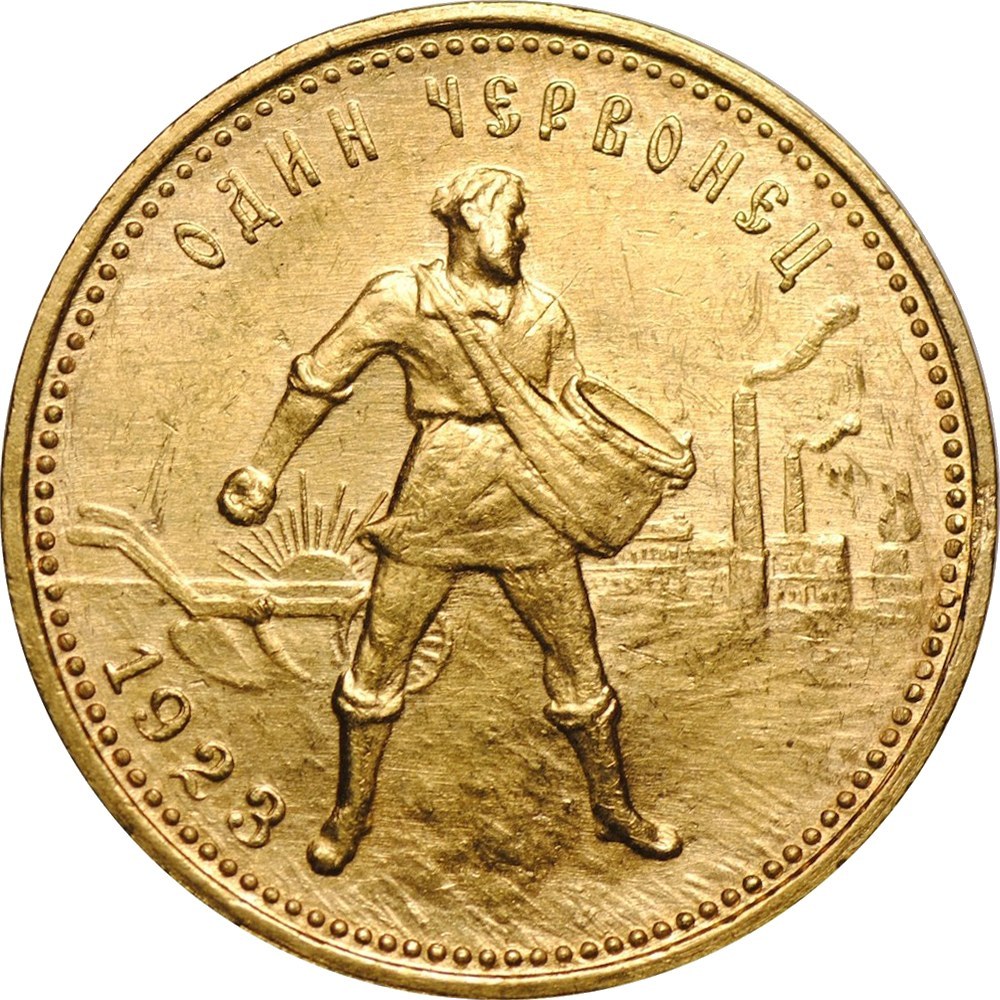
Soviet gold coin of 1923 worth one chervonets (10 rubles), showing a peasant sowing before a rising sun and factories, with the Soviet state emblem.
- Country
- Soviet Union
- Denomination
- 1 Chervonets (10 Rubles)
- Metal
- Gold
Got a coin like this?
Identify any coin from a photo, free.
Overview
The Gold Chervonets is a small 900-fine gold coin issued by the young Soviet state and dated 1923. It carries a face value of one chervonets, equal to ten rubles, and was struck to back the currency reform that stabilized money after the ruinous inflation of the civil-war years.
The design pairs the Soviet state emblem, with its hammer and sickle set in a wreath, against one of the most recognizable images in Soviet numismatics: a peasant sowing grain by hand as the sun rises over a distant factory. Because it married gold reliability with revolutionary imagery, the coin is prized today both as a historical artifact and as a compact piece of gold.
Genuine 1923 pieces are scarce, as many were melted or never released into international trade, so they are studied carefully and command premiums well above their metal content.
History & Background
The chervonets was created as part of the Soviet monetary reform of 1922–1924, which introduced a stable, partly gold-backed unit to replace the collapsing paper ruble. Gold coins dated 1923 were struck to the same weight and fineness as the pre-revolutionary imperial ten-ruble piece, deliberately linking the new money to a trusted older standard while stamping it with unmistakably Soviet symbols.
The reverse figure, a sower scattering seed at dawn before rising factory chimneys, was modeled on a sculpture by Ivan Shadr, and the coin's dies were prepared by chief engraver Anton Vasyutinsky at the Petrograd (later Leningrad) mint. The image was meant to project the union of agriculture and industry central to Soviet propaganda of the era.
In practice the 1923 chervonets saw limited international acceptance, since many governments were reluctant to handle coinage bearing communist emblems, and a large share was melted or held back. Decades later the Soviet Union struck new sower chervontsy dated 1975–1982 for bullion and collector sale; those restrikes are far more common than the original 1923 issue.
How to Identify
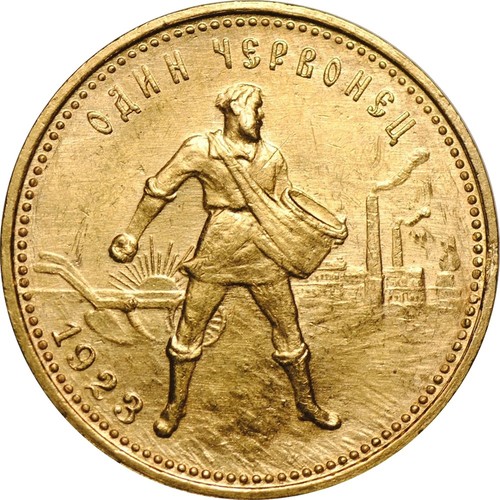
Look first at the year and the emblem. Coins of the original issue are dated 1923 and show the early Soviet state emblem with a hammer and sickle over a globe within a wreath of wheat, surrounded by a banner motto. The reverse shows the standing sower casting seed, with a rising sun and factory buildings behind him and the denomination and date around the rim.
The coin is a small gold piece roughly 22.6 mm across, struck in 900-fine gold, weighing about 8.6 grams total with close to 7.7 grams of pure gold. Its reeded edge and sharp, machine-struck detail distinguish it from hand-made or cast imitations.
Date is the key sorting feature. A 1923 date marks the original, scarce issue, while dates of 1975 through 1982 belong to the later Soviet restrikes, which use a fuller state emblem with additional ribbons reflecting the union republics. Both share the sower design but differ sharply in rarity and value.
Value & Collectibility
Value depends almost entirely on which issue a coin belongs to. Genuine 1923 sower chervontsy are scarce and typically trade for many multiples of their gold content, ranging from the low thousands of dollars for worn examples to substantially more for well-preserved, certified pieces.
The later 1975–1982 restrikes, though visually similar, are common bullion coins and generally sell for a modest premium over their roughly quarter-ounce gold value. Because the price gap between an original and a restrike is so large, correct dating and attribution are the most important steps before assigning any value.
Condition, originality of surfaces, and third-party grading all affect price. Given the premiums involved, high-value 1923 examples are frequently authenticated and encapsulated by recognized grading services.
Frequently asked questions
How much is a Gold Chervonets worth?
It depends on the date. Genuine 1923 pieces are scarce and can bring anywhere from the low thousands of dollars upward, while the common 1975–1982 restrikes usually trade for a small premium over their gold content of roughly a quarter ounce.
What does the chervonets denomination mean?
One chervonets equals ten rubles. The chervonets was the stable, partly gold-backed unit introduced during the Soviet currency reform of the early 1920s to replace the collapsed paper ruble.
Who is the figure on the reverse?
It is a peasant sowing grain by hand at sunrise, with factory buildings behind him. The image, modeled on a sculpture by Ivan Shadr, symbolized the Soviet union of agriculture and industry.
Is my sower chervonets an original or a restrike?
Check the date. A 1923 date indicates the original issue with the early Soviet emblem, while dates from 1975 to 1982 are later restrikes with a fuller state emblem and are far more common.
How much gold does it contain?
The coin is struck in 900-fine gold and weighs about 8.6 grams, containing close to 7.7 grams of pure gold, the same standard as the pre-revolutionary imperial ten-ruble piece.
Gold Chervonets guides
In-depth guides for identifying, valuing, and collecting Gold Chervonets.
Other coins you may enjoy
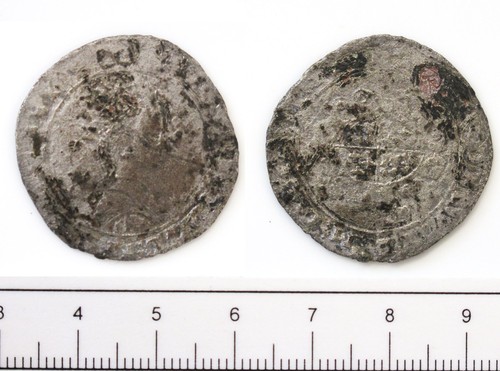
Shilling of Edward VI
1547–1553 (reign of Edward VI)
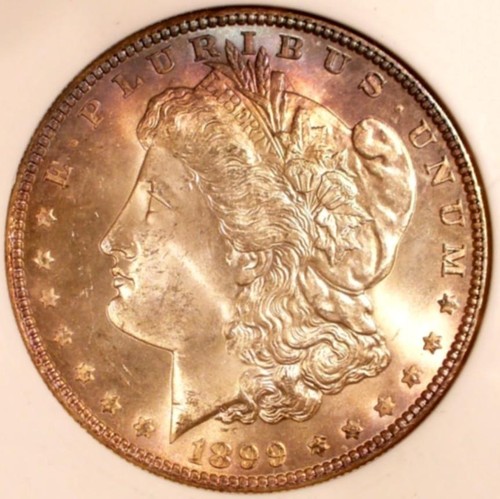
French Silver Franc
c. 1871–1920 (example dated 1899)
Ghana 20 Pesewas
1967
200 CFA Francs
2003–present
Tunisia 100 Millimes
1983–2005 (this brass type)
Israel Half Lira (25th Anniversary)
1973 (5733)
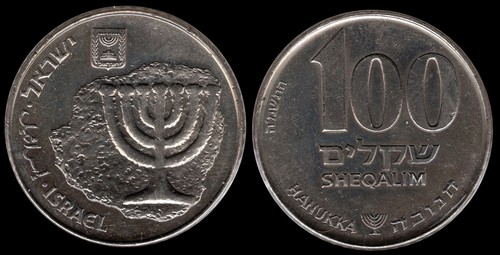
Israel 100 Sheqalim Hanukka Commemorative
1985
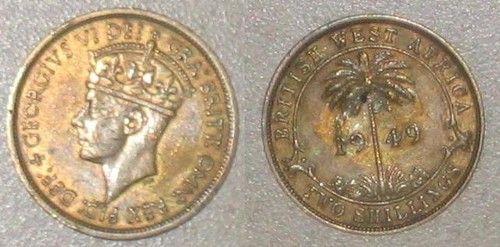
British West Africa 2 Shillings
1936–1952 (George VI type)
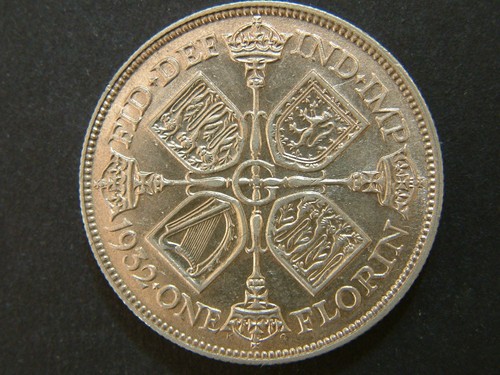
British Florin
Victorian issues c. 1849–1901 (example dated 1890)
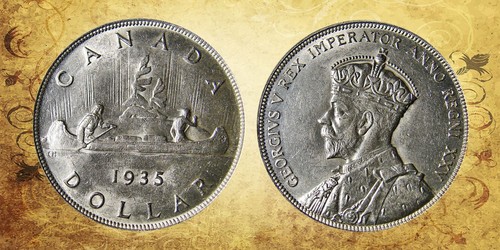
Swiss 5 Francs
1888–1916 (this design)
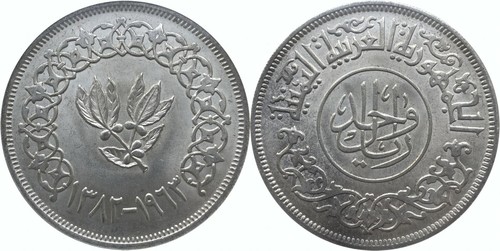
North Yemen 1 Rial
1963 (AH 1382)
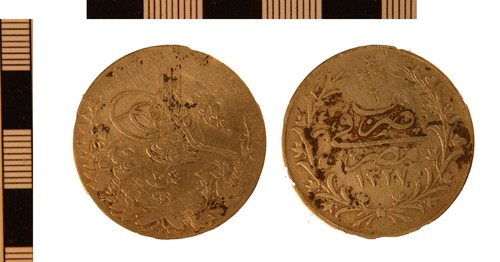
Ottoman Silver Coin
Ottoman era (c. 14th–early 20th century)