
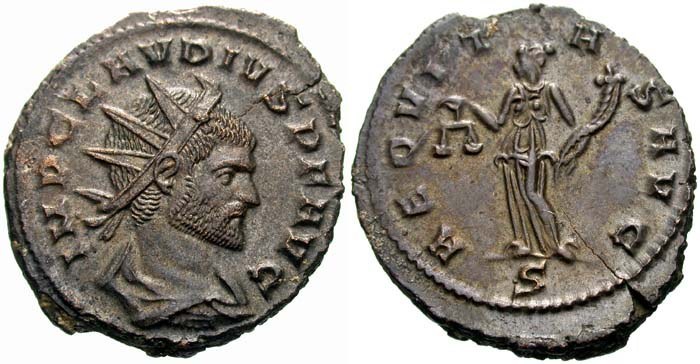
Antoninianus of Claudius II
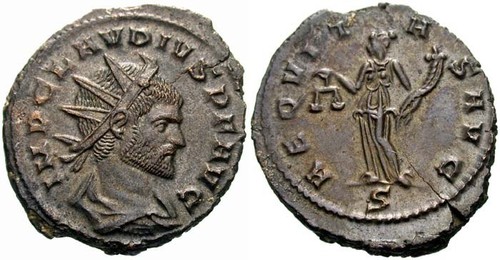
A billon antoninianus of the Roman emperor Claudius II Gothicus (268–270 AD), showing his radiate bust on one side and a standing deity on the other.
- Country
- Roman Empire
- Denomination
- Antoninianus
- Metal
- Billon/Bronze
Got a coin like this?
Identify any coin from a photo, free.
Overview
This is an antoninianus, a small Roman coin, struck during the brief reign of the emperor Claudius II, often called Claudius Gothicus. The example shown carries the emperor's radiate portrait, wearing the spiked crown that marks the denomination, on the obverse, and a standing deity figure on the reverse. It dates to roughly 268 to 270 AD.
By Claudius II's reign the antoninianus was made of billon, a base alloy with only a small amount of silver, so most surviving coins have a brown or bronze surface rather than a bright silver look. These coins were produced in enormous numbers to pay the army during a period of near-constant warfare, which is why they remain among the most common and affordable of all Roman imperial coins today.
History & Background
Claudius II ruled the Roman Empire for only about two years, from 268 to 270 AD, during the turbulent stretch historians call the Crisis of the Third Century. He earned the title Gothicus after a major victory over invading Gothic forces, and his short reign ended when he died, most likely of plague, in 270.
The antoninianus had been introduced earlier in the third century as a coin valued at two denarii, but decades of inflation and debasement steadily stripped out its silver. By Claudius II's time the coin was essentially bronze with a thin surface wash of silver that has usually worn or corroded away. Vast quantities were struck at mints across the empire to fund the legions.
After his death, Claudius II was deified, and a large series of memorial coins bearing his name and reverse legends such as CONSECRATIO were issued under his successors. These posthumous pieces, along with his lifetime issues, mean his coinage is exceptionally plentiful in the market today.
How to Identify
Look first for the radiate crown: the emperor's head is shown in profile wearing a spiked, sunburst-style crown, which distinguishes the antoninianus from the laurel-wreath denarius. The obverse legend, running around the rim, typically includes forms of the name IMP CLAVDIVS AVG or CLAVDIVS, though wear often leaves only part of it readable.
The coin is small, usually around 18 to 20 mm across, and light in weight. The metal is billon or bronze, so expect a brown, tan, or dark patina rather than shiny silver. The reverse of this example shows a standing deity or personification, a common design that would have held attributes such as a scepter, spear, or small figure, accompanied by a reverse legend naming the virtue or god depicted.
Because dies were cut quickly and in bulk, strikes are often slightly off-center or unevenly struck, and lettering can be crude. This rough, hand-struck character is normal and expected for the type.
Value & Collectibility
Antoniniani of Claudius II are among the most affordable ancient Roman coins. Common types in worn or average condition typically sell in the range of a few dollars to perhaps twenty or thirty dollars, reflecting how many survive.
Value rises with condition, completeness of the legends, an attractive even patina, and a fully centered strike. Well-preserved examples with clear portraits and sharp reverse detail, or scarcer reverse types and mint marks, can bring more, sometimes into the higher tens of dollars, but this is generally a coin collected for its history and accessibility rather than as a high-value rarity.
As with all ancient coins, condition, eye appeal, and a specific reverse type drive price far more than the emperor's name alone. Exact figures vary with the market, so treat these as general context rather than fixed prices.
Frequently asked questions
Is an antoninianus of Claudius II made of silver?
By his reign the antoninianus was billon, a base alloy with only a small percentage of silver, sometimes finished with a thin silver surface wash. Most surviving coins now look brown or bronze because that thin layer has worn away.
Why are these coins so common and inexpensive?
Claudius II's mints struck the antoninianus in huge quantities to pay the army, and posthumous memorial issues added even more. That volume means large numbers survive, keeping most examples very affordable today.
What does the radiate crown on the portrait mean?
The spiked, sunburst crown identifies the denomination as an antoninianus rather than a laurel-crowned denarius. It became the standard marker for this double-denarius coin in the third century.
Who was Claudius II Gothicus?
He was a Roman emperor who reigned from 268 to 270 AD during the Crisis of the Third Century, earning the title Gothicus for defeating Gothic invaders before dying, probably of plague, after a short reign.
Is the standing figure on the reverse a real person?
No. Reverse figures on these coins are usually gods or personifications of virtues, such as Providentia, Salus, Pax, or a similar deity, shown standing with attributes and named in the reverse legend.
Antoninianus of Claudius II guides
In-depth guides for identifying, valuing, and collecting Antoninianus of Claudius II.
Other coins you may enjoy
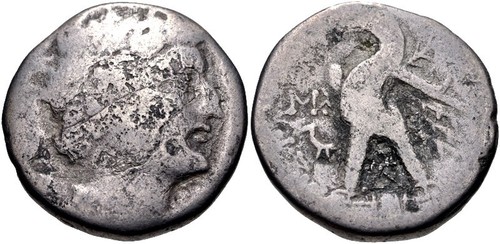
Tetradrachm of Ptolemy XII
80-51 BC
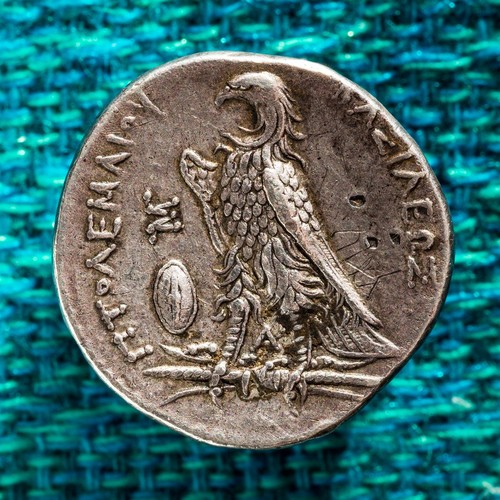
Tetradrachm of Ptolemy I
305-283 BC
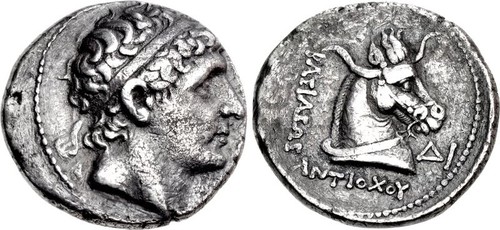
Tetradrachm of Antiochos I Soter
281-261 BC
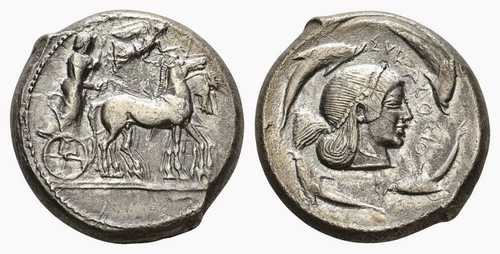
Syracuse Tetradrachm
c. 5th-4th century BC (Classical period)
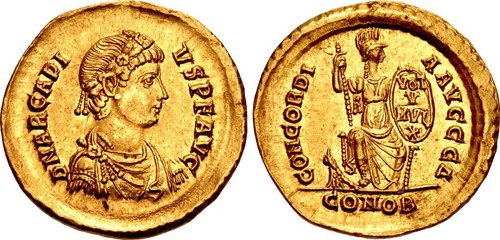
Solidus of Arcadius
AD 395-402
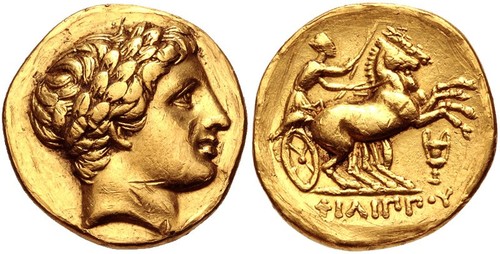
Philip III Gold Stater
323-317 BC
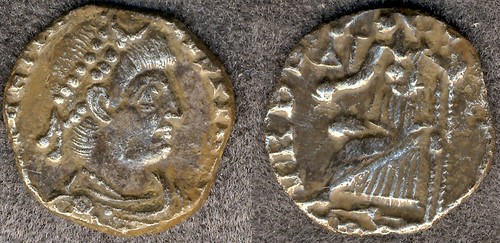
Siliqua of Gratian
AD 367-383
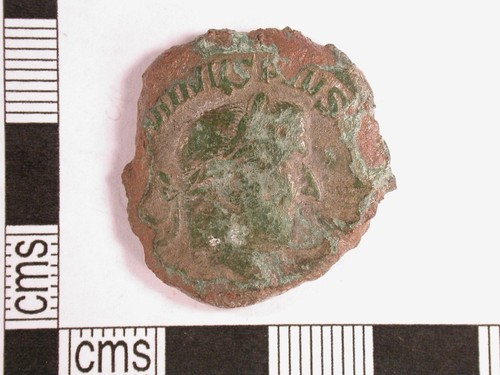
Sestertius of Maximinus Thrax
235-238 AD
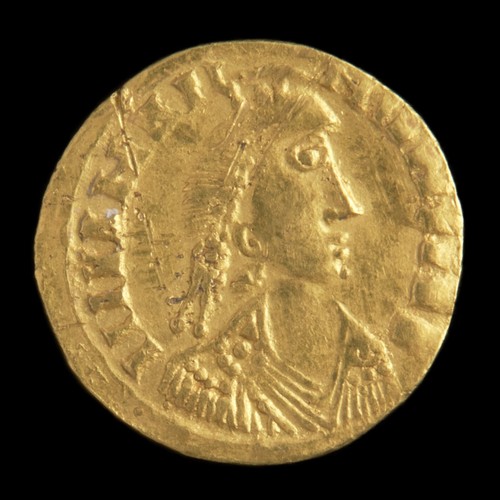
Solidus of Valentinian III
AD 425-455
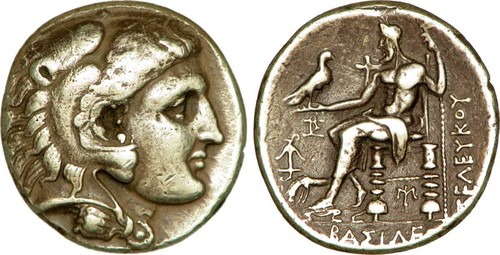
Seleucus I Nicator Tetradrachm
Late 4th-3rd century BC
Nummus of Magnentius
AD 350-353
Follis of Galerius
AD 308-310