
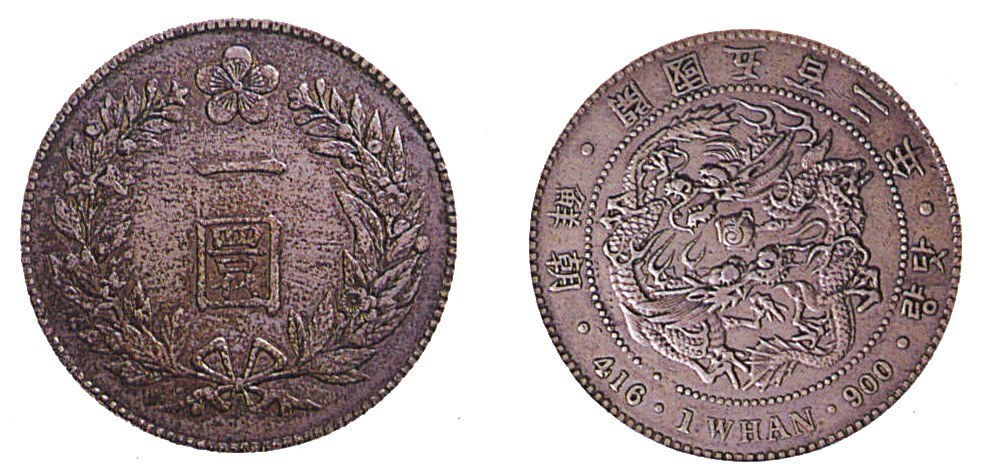
1 Hwan
A late-Joseon Korean bronze coin of one hwan, carrying a chrysanthemum-and-cartouche obverse and a traditional dragon motif with East Asian characters on the reverse.
- Country
- Korea (Joseon)
- Denomination
- 1 Hwan
- Metal
- Bronze
Got a coin like this?
Identify any coin from a photo, free.
Overview
The 1 Hwan is a historic bronze coin of Korea from the late Joseon period, struck as the peninsula moved from cast cash coins toward Western-style milled currency. The hwan (환, 圜) was one of the denominations used in Korea's late-nineteenth-century monetary reforms, and this piece represents the base one-hwan value.
The example pictured is dated to the Taegeuk era of the late 1800s and shows a two-sided modern design. The obverse carries a heraldic arrangement of chrysanthemum flowers around a central square cartouche, while the reverse bears a traditional dragon motif accompanied by East Asian characters giving the denomination and issuing authority. These devices mark it as an official government issue rather than an older hand-cast cash coin.
Unlike the round-with-square-hole "cash" that circulated in Korea for centuries, the 1 Hwan is a solid struck disc with raised relief on both faces. It is collected today as a tangible record of Korea's transition into modern minted coinage at the close of the Joseon dynasty.
History & Background
For most of the Joseon era Korea used cast bronze cash coins with a central square hole, most famously the long-running sangpyeong tongbo. In the 1880s and 1890s the Korean government began modernizing its currency, opening machine-equipped mints and introducing struck, Western-style coins in new denominations. The hwan was one of the units employed during this reform period, alongside related fractional pieces.
Coins of this transitional era commonly carry the taegeuk and dragon iconography of the late Joseon state, together with chrysanthemum floral devices, reflecting official royal and national symbolism. The dating of this example to the Taegeuk era of the late 1800s places it within that reform window, when the old cash system and the new milled coinage briefly overlapped.
Korea's monetary system continued to change rapidly into the early twentieth century, and denominations, standards and mint arrangements were repeatedly revised. Because issues from this period were produced under evolving reforms, individual coins are best attributed by their exact inscriptions and symbols rather than by a single fixed year, and specialized Korean references are used to pin down a precise sub-type.
How to Identify
Identify the 1 Hwan first by its form and metal: it is a round, struck bronze coin with raised relief, not a cast cash coin with a central hole. The color is a warm brown bronze tone, and the surfaces show machine-struck detail rather than the softer casting of older Korean money.
Read the two faces. The obverse displays a heraldic composition of chrysanthemum flowers surrounding a central square cartouche — a decorative framed panel at the center. The reverse carries a traditional dragon motif paired with East Asian characters that state the denomination (one hwan) and the issuing authority. Look also for the taegeuk symbolism characteristic of late-Joseon state coinage.
Use the combination of round struck bronze + chrysanthemum-and-cartouche obverse + dragon reverse + Korean/Chinese-character inscriptions to separate this coin from both the older holed cash and from neighboring Chinese and Japanese dragon coinage of the same era. Because Korea's reform coinage came in several denominations and revisions, the precise value and issue are confirmed by the exact characters and symbols, ideally checked against a specialized catalog of Korean coins.
Value & Collectibility
As a historic Korean bronze coin from the late Joseon reform period, the 1 Hwan generally trades in an affordable-to-moderate collectible range, with condition the main driver. Worn, honestly circulated bronze pieces tend to sit toward the lower end, while sharply struck examples with clear dragon and chrysanthemum detail and original surfaces command higher prices.
Value reflects grade, strike sharpness, sub-type and eye appeal rather than metal content, since bronze carries little intrinsic value. Scarcer varieties, better-preserved specimens and pieces with strong provenance can bring a notable premium over common circulated coins, and demand for early Korean milled coinage supports collector interest.
Because this reform-era coinage spans multiple denominations and revisions and grading swings prices widely, treat any single figure with caution and compare against recent sales of the same variety and grade. Early Korean and East Asian dragon coins have been reproduced, so for higher-value examples third-party authentication and grading add meaningful confidence.
Frequently asked questions
What is a hwan?
The hwan (환, 圜) was a currency unit used in Korea's late-nineteenth-century monetary reforms. The 1 Hwan is the base one-hwan coin from that period, struck as Korea moved toward modern Western-style coinage.
How is it different from old Korean cash coins?
Traditional Korean cash coins were cast bronze discs with a square hole in the center. The 1 Hwan is a solid struck coin with no central hole and raised relief designs on both faces, reflecting the shift to machine-made coinage.
What do the designs mean?
The obverse shows chrysanthemum flowers around a central square cartouche, and the reverse carries a dragon motif with characters naming the denomination. Along with taegeuk symbolism, these are official emblems of the late Joseon Korean state.
Is it made of real bronze?
Yes. The 1 Hwan is a genuine bronze coin, showing the warm brown tone of that alloy. Its value comes from collector interest in early Korean milled coinage rather than from the metal itself.
How precisely can it be dated?
It belongs to the taegeuk-era reform coinage of the late 1800s, but this period saw repeated changes to Korea's currency. The exact issue is best confirmed from the coin's specific inscriptions and symbols against a specialized Korean reference.
1 Hwan guides
In-depth guides for identifying, valuing, and collecting 1 Hwan.
Other coins you may enjoy
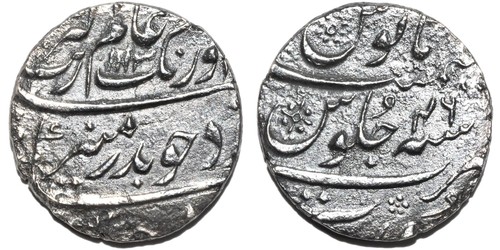
Mughal Rupee (Akbar)
AH 1003 (AD 1594)
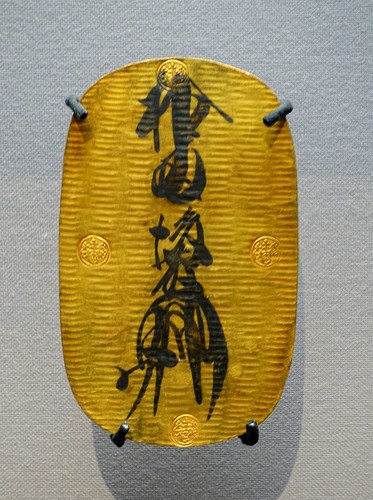
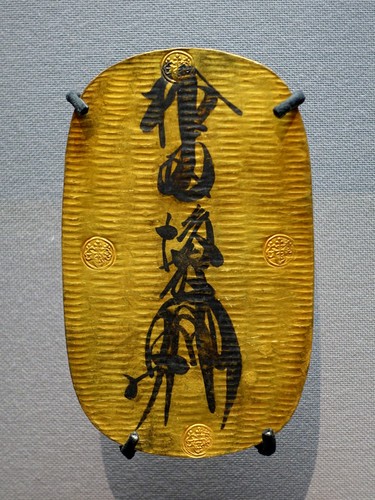
Keicho Oban
Late 1500s to early 1600s AD (Azuchi-Momoyama to early Edo period)
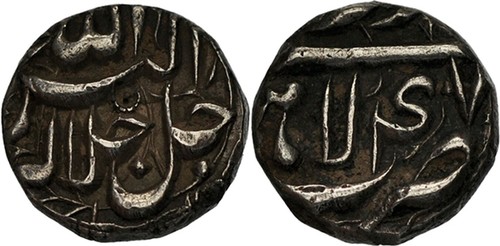
Keicho Koban
Early Edo period, Keicho-era coinage (c. 1601 onward, 17th century)
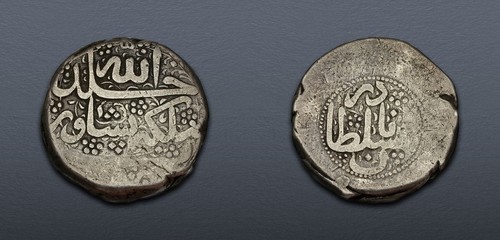
Mughal Quarter-Rupee
Ilahi 47 (AD 1602-1603)
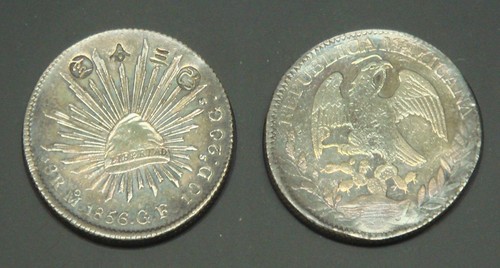
Double Rupi
AH 1151 (AD 1738-1739)
Aratame Sanbu Sadame
Dated 1859 (Ansei 6); round dragon-and-sun pieces are widely encountered as later reproductions
1 Bu Gin
Meiji 1 (1868-1869)
5 Yang
Late Joseon reform coinage, late 1800s (Gaeguk / Taegeuk era)