
Double Rupi
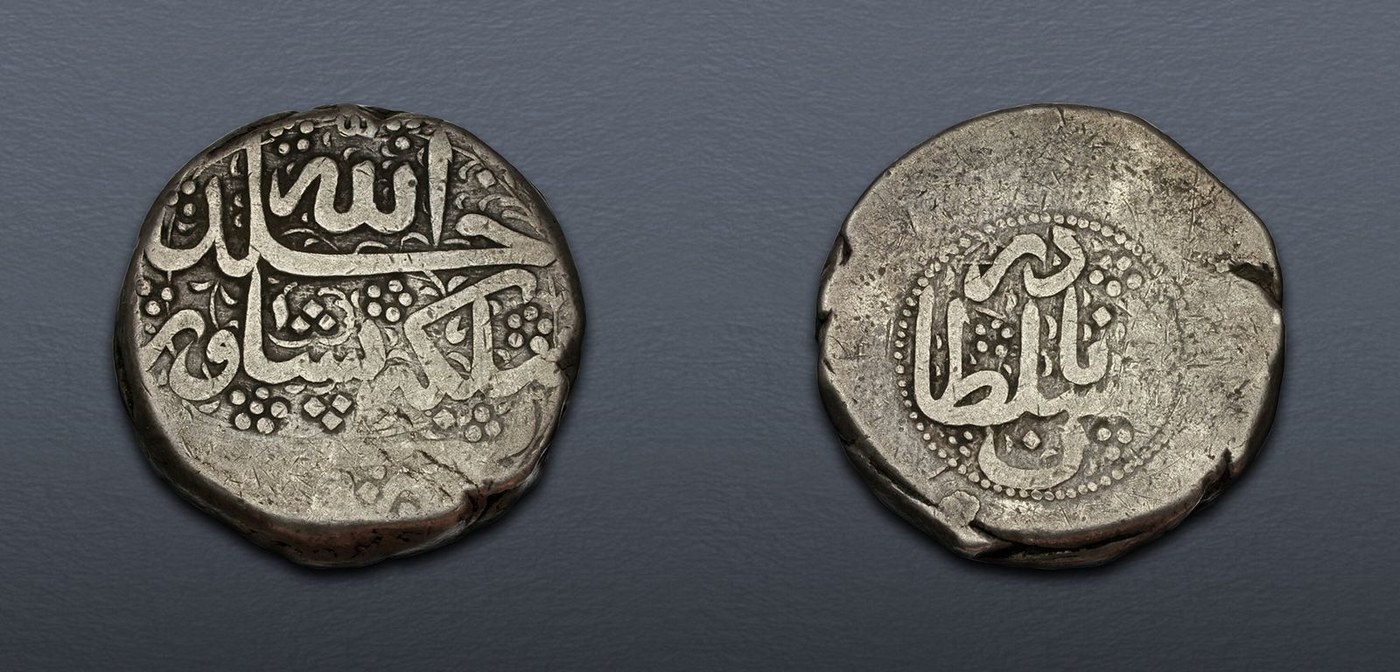
A large Afsharid silver coin of Nader Shah, the double rupi, dated AH 1151 and covered in flowing Persian calligraphy and ornamental scrollwork.
- Country
- Persia (Afsharid Dynasty)
- Denomination
- Double Rupi
- Metal
- Silver
Got a coin like this?
Identify any coin from a photo, free.
Overview
The Double Rupi is a large silver coin of Persia's Afsharid dynasty, struck under Nader Shah and dated AH 1151 (AD 1738-1739). As its name says, it was a double unit of the rupi (rupee), a heavy silver piece worth two ordinary rupis and among the more imposing coins of its series.
The example pictured carries flowing Persian calligraphy set among ornamental scrollwork on the obverse, with the inscriptions continuing across the reverse amid further decorative elements. Rather than portraits or heraldry, both faces are given over entirely to Arabic-script legends and floral ornament, in the aniconic tradition of Islamic coinage.
The AH 1151 date places the coin at the height of Nader Shah's power, the period of his invasion of Mughal India. The double rupi reflects the Persian ruler's control over Indian mints and mint standards, blending Persian legends with the rupee denomination of the subcontinent. It is collected today as a substantial and historically charged silver relic.
History & Background
Nader Shah rose from a provincial military leader to found the Afsharid dynasty, seizing the Persian throne in 1736 after expelling Afghan and Ottoman forces. In 1738-1739 he launched his celebrated campaign into Mughal India, culminating in the defeat of the Mughal emperor and the sack of Delhi in 1739, from which he carried off enormous plunder including the Peacock Throne.
The AH 1151 (1738-1739) dating of this double rupi coincides exactly with that invasion. Persian rulers of this period struck coinage using the rupi (rupee) denomination and the mint apparatus of northern India, so heavy silver pieces such as the double rupi were produced under Afsharid authority using inscriptions in Persian. These coins served both as circulating money and as declarations of sovereignty over newly controlled territory.
Because Afsharid silver was issued from multiple mints over a short, turbulent reign, individual pieces are attributed by their legends, mint names and AH date rather than by a single centralized standard. Nader Shah was assassinated in 1747, after which the Afsharid state fragmented, making his brief, well-documented coinage a compact record of a dramatic imperial episode.
How to Identify
Identify the Double Rupi first by metal and heft: it is a substantial silver coin, noticeably heavier and broader than a single rupi because it represents two units. The surfaces are struck, often with the legend running off the edge, as is typical of hand-struck Persian and Indian silver of the period.
Both faces are entirely inscriptional. The obverse shows Persian (Arabic-script) calligraphy arranged with ornamental scrollwork and floral devices; the reverse continues the inscriptions with further decorative elements. There are no human or animal figures. The legends carry the ruler's titles and a couplet, together with the mint name and the date AH 1151, written in Arabic-Persian numerals and words.
Use the combination of large silver format + all-calligraphic design + AH 1151 date + rupi denomination to place the coin. The double rupi differs from the ordinary rupi mainly in size and weight, and from Mughal rupees of the same region by its Persian Afsharid legends naming Nader Shah rather than a Mughal emperor. Exact mint and variety are read from the specific words in the legend, best confirmed against specialized references on Afsharid coinage.
Value & Collectibility
As a large historic silver coin tied to a famous ruler, the Double Rupi generally sits in a moderate-to-strong collectible range, above common single rupis of the era because of its size, silver content and the Nader Shah association. Well-centered examples showing a full, legible legend and clear date command the most interest.
Value is driven chiefly by completeness of the strike, legibility of the inscriptions and date, mint, and overall preservation. Hand-struck coins are frequently struck off-center or with parts of the legend missing, so pieces where the ruler's name, mint and AH 1151 date all read clearly carry a premium over weakly struck or heavily worn coins.
Because Afsharid silver spans several mints and varieties and grading swings prices widely, treat any single figure with caution and compare against recent sales of the same denomination, mint and grade. Popular historical coins like this have been reproduced, so for higher-value examples third-party authentication and attribution add confidence.
Frequently asked questions
Who issued the Double Rupi?
It was struck under Nader Shah, founder of Persia's Afsharid dynasty. The AH 1151 (1738-1739) date corresponds to the period of his invasion of Mughal India, when Persian authority extended over Indian mints and the rupi denomination.
Why is it called a "double" rupi?
Because it was worth two ordinary rupis. It is a larger, heavier silver coin than a single rupi, roughly double the weight, which is one of the quickest ways to recognize the denomination.
What does AH 1151 mean?
AH refers to the Islamic (Hijri) calendar. AH 1151 corresponds to about AD 1738-1739. The date appears in the coin's legend in Arabic-Persian script and helps place it firmly within Nader Shah's reign.
Why are there no portraits on the coin?
Islamic coinage of this tradition is aniconic, avoiding human or animal images. Instead both faces carry Persian calligraphy stating the ruler's titles, a couplet, the mint and the date, framed by ornamental scrollwork.
Is it made of real silver?
Yes. The double rupi is a genuine silver coin of good size, which is part of why it is heavier than a single rupi. Its collector value comes from that silver combined with its age and its link to Nader Shah's campaigns.
Double Rupi guides
In-depth guides for identifying, valuing, and collecting Double Rupi.
Other coins you may enjoy
1 Hwan
Taegeuk era, late 1800s
Mughal Rupee (Akbar)
AH 1003 (AD 1594)
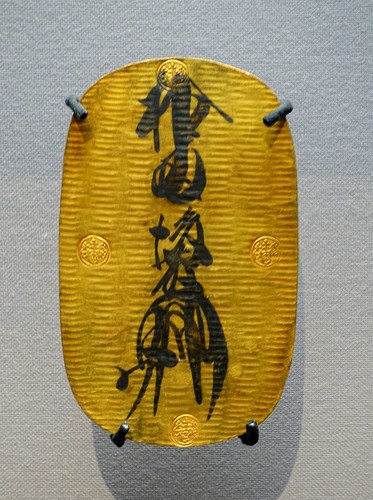
Keicho Oban
Late 1500s to early 1600s AD (Azuchi-Momoyama to early Edo period)
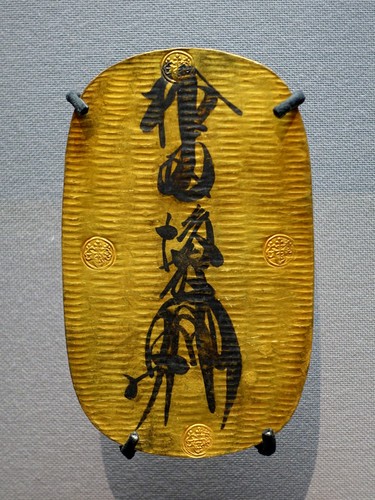
Keicho Koban
Early Edo period, Keicho-era coinage (c. 1601 onward, 17th century)
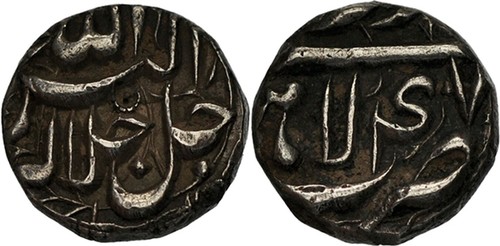
Mughal Quarter-Rupee
Ilahi 47 (AD 1602-1603)
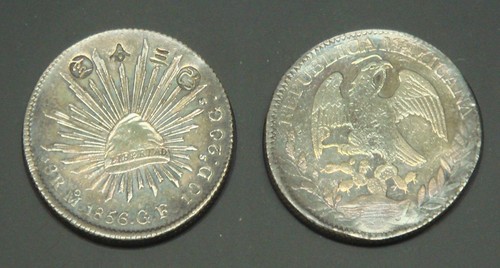
Aratame Sanbu Sadame
Dated 1859 (Ansei 6); round dragon-and-sun pieces are widely encountered as later reproductions
1 Bu Gin
Meiji 1 (1868-1869)
5 Yang
Late Joseon reform coinage, late 1800s (Gaeguk / Taegeuk era)