20 Para
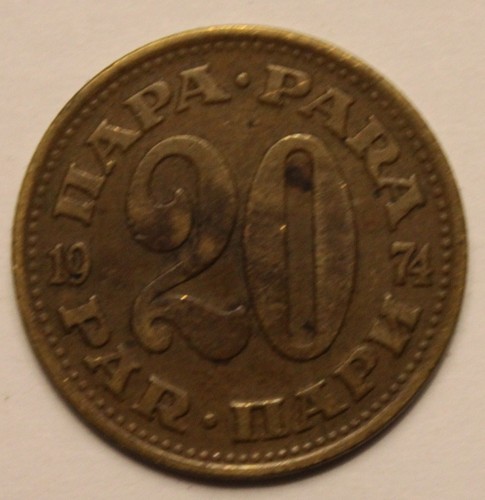
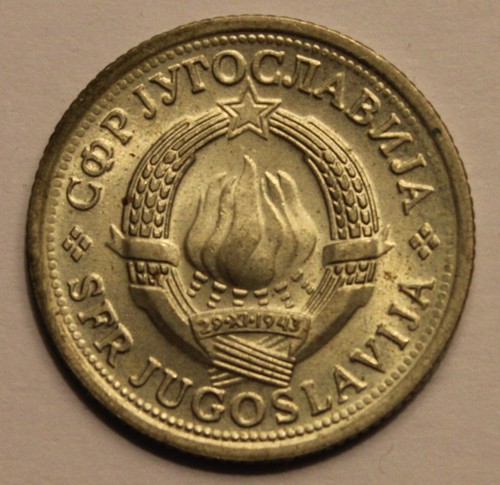
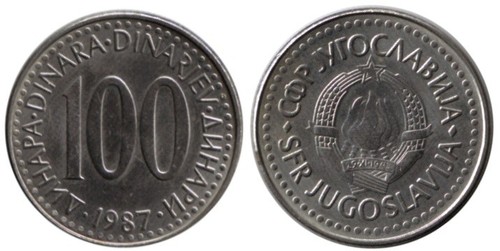
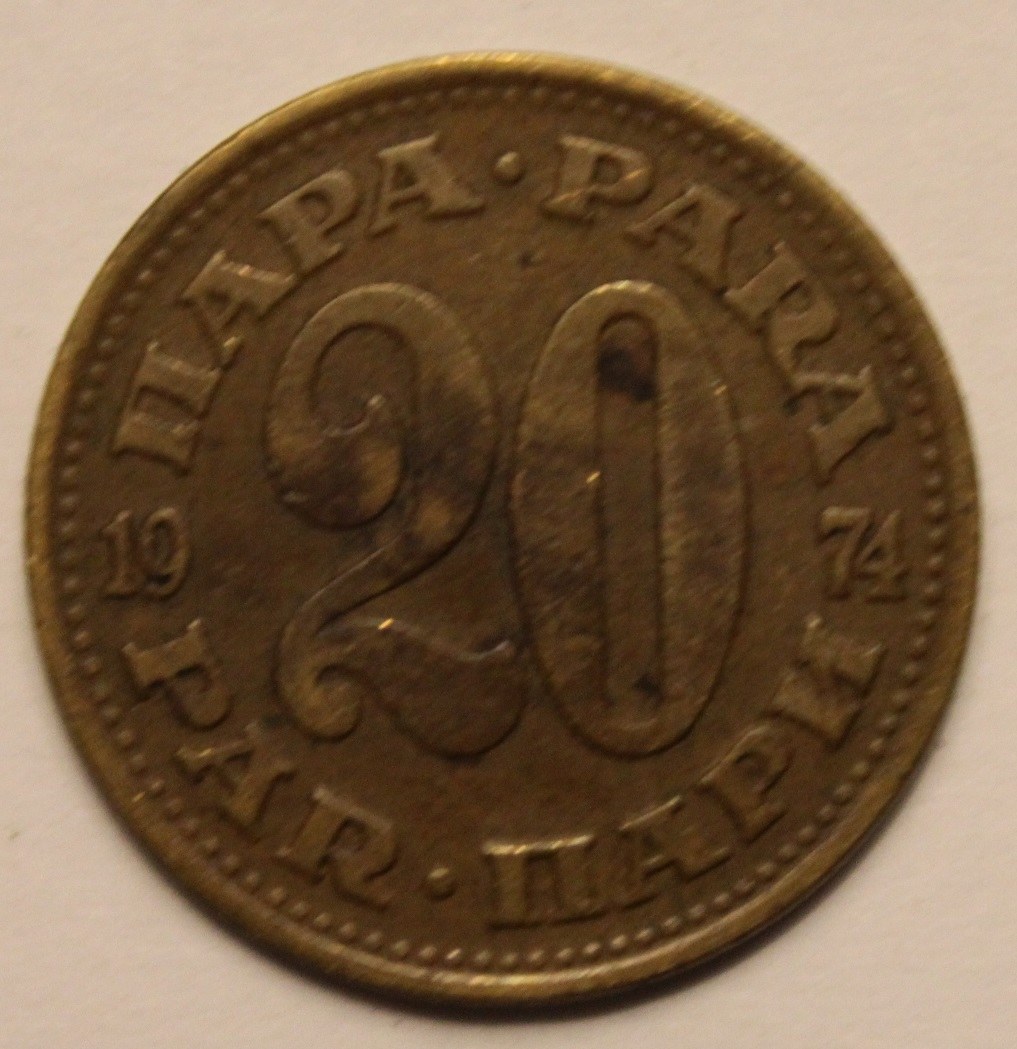
A small base-metal coin of socialist Yugoslavia, showing the value 20 with the date 1974 on one side and the six-flame Yugoslav state emblem on the other.
- Country
- Yugoslavia
- Denomination
- 20 Para
- Metal
- Base metal
Got a coin like this?
Identify any coin from a photo, free.
Overview
The 20 Para is a small circulating coin of the Socialist Federal Republic of Yugoslavia (SFRY), with this example dated 1974. The para was the minor unit of the Yugoslav dinar, with 100 para to one dinar, so 20 para represented a fifth of a dinar and served everyday small change.
The piece is struck in a base metal, giving it a yellowish brass-like tone rather than the bright white of nickel or the weight of silver. It pairs a plain numeric value side with the socialist state emblem, making it instantly recognizable as a low-denomination coin from the Yugoslav federation rather than a collector or commemorative issue.
As part of a long-running circulation series used across the 1960s and 1970s, the 1974 20 para is a common, affordable coin. It is collected mainly as a representative type of Yugoslav socialist coinage and as an inexpensive introduction to the country's dinar system.
History & Background
Socialist Yugoslavia was a federation of six republics established after the Second World War, and its coinage carried strong state symbolism through the postwar decades. The dinar, divided into 100 para, was the national currency, and small para coins like the 20 para handled minor daily transactions during a period of relative economic stability before the high inflation of the following decades.
The 20 para of the mid-1960s to early 1980s belongs to a standardized circulation series that also included other para and dinar values. The 1974 date places this coin firmly in the Tito-era SFRY, when the federal state emblem, rather than any monarch or named leader, defined the look of the country's money.
Yugoslavia itself dissolved in the early 1990s, and the dinar underwent repeated revaluations before disappearing with the breakup of the federation. Coins like the 1974 20 para survive in large numbers as everyday relics of that vanished socialist state.
How to Identify
One face carries the denomination as a large numeral 20 together with the word para and the date 1974, identifying the value and year plainly. The word for the unit appears in the Latin or Cyrillic script used on Yugoslav coinage, so surface wear or worn lettering can make the inscription hard to read at a glance.
The other face shows the Yugoslav state emblem: a cluster of torches whose flames join into a single flame, symbolizing the union of the federation's republics, framed by ears of wheat and topped by a star, with the founding date 1943 typically present. This socialist emblem is the key marker that the coin is from the SFRY period rather than from the earlier kingdom or the later successor states.
The coin is small, on the order of 18 mm across, and struck in a base metal with a brassy, yellowish color. It is light in hand and non-precious. The combination of the numeral 20, the para unit, the 1974 date, and the six-flame state emblem together pins down this specific type.
Value & Collectibility
The 1974 20 Para is a common circulation coin with modest value. Typical circulated examples trade for well under a dollar, often changing hands in bulk or as filler pieces in world-coin lots, since large numbers were struck and many survive.
Condition drives what little premium exists. Heavily worn coins are worth little beyond novelty, while bright, uncirculated examples with full detail on the emblem and lettering can bring a small premium from collectors assembling date runs or type sets of Yugoslav coinage.
Because it is a base-metal minor coin, there is no bullion value, and prices should be treated as general ranges rather than fixed quotes. Cleaned or damaged pieces are worth less, and value is best judged against comparable graded examples of the same type.
Frequently asked questions
What country is this 20 Para coin from?
It is from the Socialist Federal Republic of Yugoslavia, a postwar federation of six republics. The para was the minor unit of the Yugoslav dinar, with 100 para to one dinar.
What is the emblem on the reverse?
It is the Yugoslav state emblem: torches whose flames merge into one, framed by wheat and topped by a star, symbolizing the union of the federation's republics. It marks the coin as a socialist-era issue.
Is the 1974 20 Para made of silver?
No. It is a base-metal coin with a brassy, yellowish tone. It is light and non-precious, so it has no bullion value and is collected only as an inexpensive type coin.
Is this coin rare or valuable?
It is common and inexpensive. Circulated examples are worth well under a dollar, while bright uncirculated pieces bring only a small premium from collectors.
How much was 20 para worth?
Twenty para was one fifth of a Yugoslav dinar, since 100 para made up one dinar. It functioned as small change for minor everyday purchases.
20 Para guides
In-depth guides for identifying, valuing, and collecting 20 Para.