Ottoman Manghir
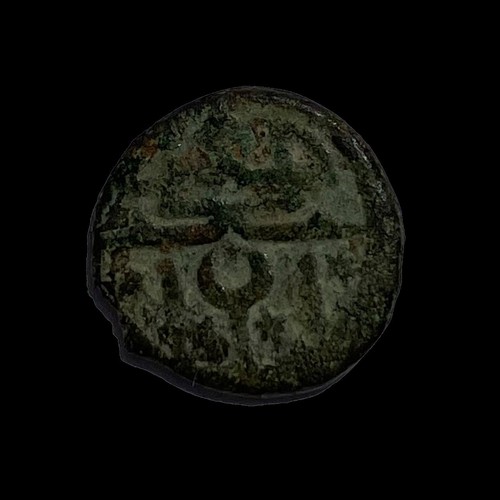
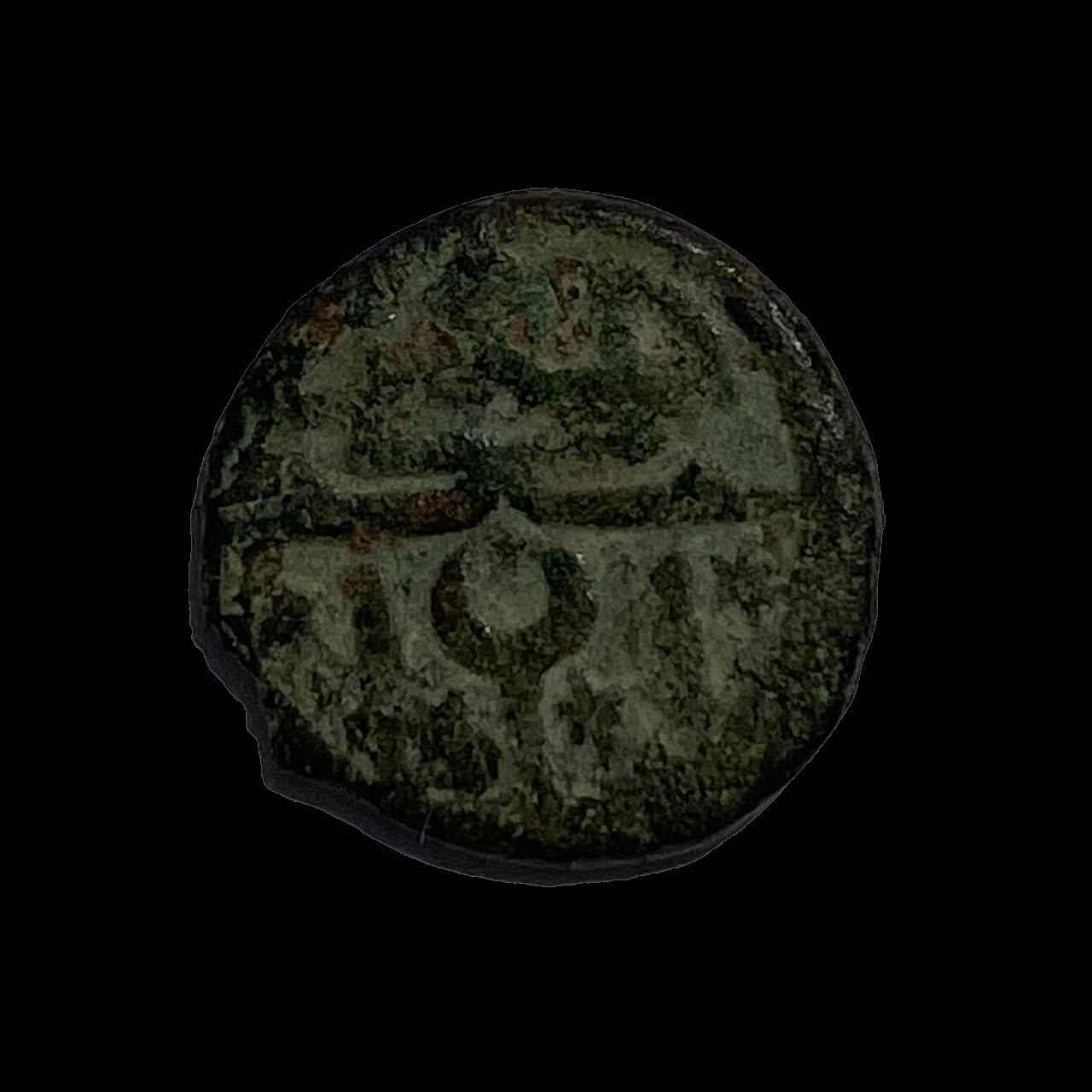
The manghir was the small copper coin of the Ottoman Empire, used for everyday change; this example bears a tughra and dates to the reign of Murad II.
- Country
- Ottoman Empire
- Denomination
- Manghir
- Metal
- Bronze
Got a coin like this?
Identify any coin from a photo, free.
Overview
The manghir (Ottoman Turkish mangır) was the base copper coinage of the Ottoman Empire, the low-value piece ordinary people used for daily marketplace transactions. It sat beneath the silver akçe and the gold sultani in the Ottoman monetary system, filling the role of small change that precious-metal coins could not practically serve.
This piece is attributed to the reign of Sultan Murad II, who ruled in two periods during the first half of the 15th century (1421–1444 and again 1446–1451). It carries a tughra — the calligraphic royal monogram of the sultan — on one side, together with Arabic-script inscriptions and decorative elements, and inscriptions accompanied by a tribal symbol on the reverse.
As a workaday copper coin rather than a prestige issue, the manghir was struck in large quantities across the empire's mints, and surviving examples are among the more accessible medieval Islamic coins for collectors interested in early Ottoman history.
History & Background
Copper manghirs formed the lowest tier of Ottoman currency from the empire's early centuries. Because copper had little intrinsic value, the manghir functioned as a fiduciary or token coin whose worth rested on official acceptance rather than metal content, unlike the silver akçe that anchored the system.
Murad II presided over a consolidating Ottoman state in the first half of the 15th century, ruling from 1421 to 1444 before abdicating in favor of his son Mehmed II, then returning to the throne from 1446 to 1451. Coinage struck in his name circulated widely across Anatolia and the Balkans during a period of territorial expansion and administrative growth.
The tughra seen on this coin is the sultan's personalized emblem, a stylized calligraphic signature used to authenticate documents and, on coinage, to assert sovereign authority. The reverse pairs Arabic-script legends with a tribal symbol associated with the Kayı, the Turkic tribe from which the Ottoman dynasty traced its origins, a motif tied to the ruling house's founding identity.
How to Identify
The obverse is dominated by a tughra, the Ottoman royal monogram, rendered in flowing Arabic calligraphy and surrounded by additional inscriptions and small decorative devices. The reverse carries inscriptions in Ottoman Turkish written in Arabic script, accompanied by a tribal (Kayı) symbol. Legends may include the ruler's name and titles and, on some issues, a mint name; wording and layout vary considerably between mints and dies.
The manghir is a copper-based coin, typically small and often somewhat irregular in flan shape, with hand-struck strikes that are frequently off-center or weakly impressed in places. Surfaces commonly show earthen or greenish patina consistent with a circulating copper piece several centuries old.
Because dies were cut by hand and coins struck individually, no two examples are perfectly alike, and portions of the legend are often missing at the edges. Accurate attribution to a specific sultan and mint usually relies on reading the surviving Arabic-script legends and matching the tughra form, best confirmed against published Ottoman copper-coinage references rather than by design impression alone.
Value & Collectibility
Ottoman copper manghirs are generally modest in value compared with the empire's silver and gold coinage. As a common circulating denomination struck in quantity, most examples fall within an affordable range for collectors, with condition, strike quality, and legibility of the legends being the main drivers of price.
Well-centered pieces with a clear tughra and readable reverse inscriptions command a premium over worn, corroded, or partially struck coins where much of the legend is lost. Attribution to a named early sultan such as Murad II, and identifiable mints or scarcer varieties, can add collector interest.
Exact market prices vary with the coin and venue, so values are best treated as ranges rather than fixed figures. Because copper coins of this period are frequently found with heavy patina or cleaning, originality of surface and eye appeal also influence what a given example brings.
Frequently asked questions
What is an Ottoman manghir?
The manghir (mangır) was the small copper coin of the Ottoman Empire, used as everyday small change beneath the silver akçe and gold sultani.
What is the swirling design on the front of the coin?
It is a tughra, the calligraphic royal monogram of the sultan, used as a personal emblem and mark of sovereign authority on coinage and documents.
Who was Murad II?
Murad II was an Ottoman sultan who reigned in two periods in the first half of the 15th century, from 1421 to 1444 and again from 1446 to 1451.
What is the Kayı symbol on the reverse?
It is a tribal emblem linked to the Kayı, the Turkic tribe from which the Ottoman dynasty traced its ancestry, referencing the ruling house's founding identity.
Are Ottoman manghirs valuable?
Most are affordable as common copper coins; value depends chiefly on condition, strike quality, legibility of the inscriptions, and identifiable ruler or mint.
Ottoman Manghir guides
In-depth guides for identifying, valuing, and collecting Ottoman Manghir.