
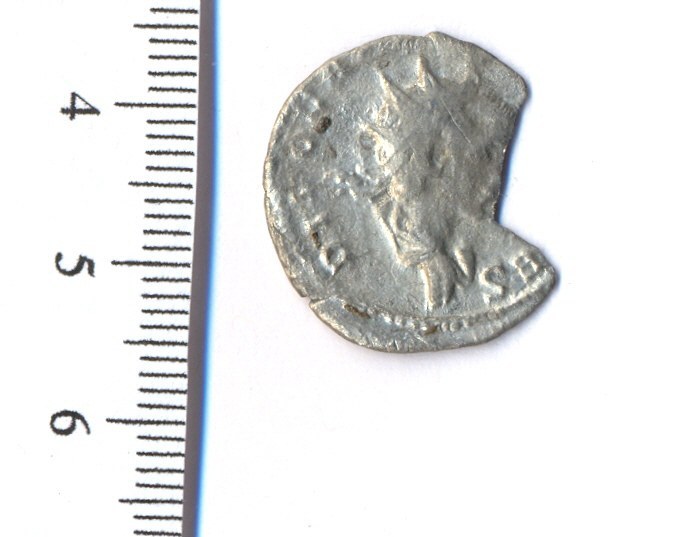
Antoninianus of Valerian II
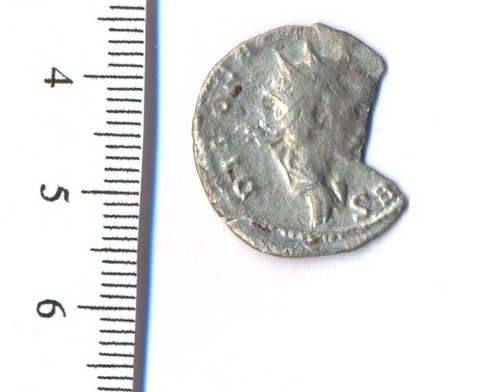
Roman radiate coin of Valerian II, the young Caesar (c. 253-260 AD), showing his spiked crown and a standing figure on the reverse.
- Country
- Roman Empire
- Denomination
- Antoninianus
- Metal
- Bronze
Got a coin like this?
Identify any coin from a photo, free.
Overview
The antoninianus of Valerian II is a Roman radiate coin struck in the name of Publius Licinius Cornelius Valerianus, the son of the emperor Gallienus and grandson of Valerian I. He was raised to the rank of Caesar (junior emperor) during the joint reign of his father and grandfather and appeared on coinage as a designated heir rather than a ruling Augustus.
The piece shown here follows the standard mid-third-century format: a youthful bust wearing a radiate (spiked) crown on the obverse, paired with a single standing figure on the reverse. By this date the antoninianus had become the principal circulating coin of the empire, and its metal is heavily debased, so surviving examples often show a dull bronze or greyish appearance rather than bright silver.
History & Background
Valerian II belonged to the ruling family of the 250s AD: his grandfather Valerian I and his father Gallienus governed the empire jointly from 253 AD. As a boy he was given the title Caesar to mark him out as the dynasty's future, and coinage in his name was issued from imperial mints to advertise the succession. He died young, around 258 AD, after which he was deified and honored with commemorative issues.
This was a period of severe strain for the Roman state, with frontier wars, plague, and a collapsing silver coinage. The antoninianus of these years is billon rather than good silver, reflecting the financial pressures of the age. Coins of Valerian II were struck in a relatively short window, which makes them scarcer than the vast output produced for his father Gallienus.
How to Identify
Look first for the radiate crown of pointed spikes on the obverse, which marks the coin as an antoninianus rather than a laurel-wreathed denarius. The portrait is that of a young male, and the encircling Latin legend is built around the name VALERIANVS, frequently with the title CAES (Caesar) or NOB CAES; deified issues instead read a DIVO VALERIANO form.
The reverse shows a single standing draped figure, typically a deity or personification identified by the objects it holds and the surrounding legend. Youthful themes such as PRINCIPI IVVENTVTIS ("to the prince of youth") are common for a designated heir. Coins of this denomination generally measure roughly 20-23 mm across and weigh in the region of 2.5-4 grams, with surfaces that are often bronze-toned because of the debased metal.
Value & Collectibility
The antoninianus of Valerian II is collectible and generally more scarce than the abundant coinage of his father Gallienus, though it is not a great rarity. Well-worn but identifiable examples trade at modest prices, while coins with a clear youthful portrait, full readable legends, and good surfaces command a premium.
Value is driven mainly by condition, the sharpness of the portrait and reverse figure, and eye appeal. Deified (DIVO) commemorative types and scarcer reverse legends can carry additional interest. Because the metal is debased, surface quality and strike matter more to price than the intrinsic metal content.
Frequently asked questions
Who was Valerian II?
He was the son of the emperor Gallienus and grandson of Valerian I, made Caesar (junior emperor and heir) as a boy in the 250s AD. He died young, around 258 AD, and was later deified.
How do I know it is an antoninianus and not a denarius?
The antoninianus shows the portrait wearing a radiate (spiked) crown, while a denarius shows a laurel wreath. The radiate crown is the quickest visual test.
Why does my coin look like bronze rather than silver?
By the 250s AD the antoninianus was heavily debased billon, so many genuine examples have a dull bronze or greyish surface rather than bright silver.
Are these coins rare?
They are less common than the huge output struck for his father Gallienus, but they are not extreme rarities. Condition and legibility matter more than absolute rarity.
Antoninianus of Valerian II guides
In-depth guides for identifying, valuing, and collecting Antoninianus of Valerian II.
Other coins you may enjoy
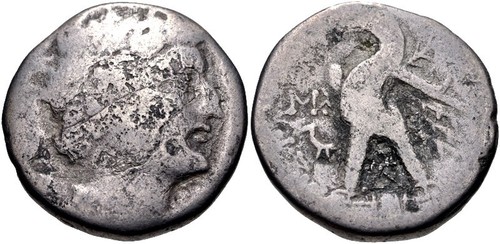
Tetradrachm of Ptolemy XII
80-51 BC
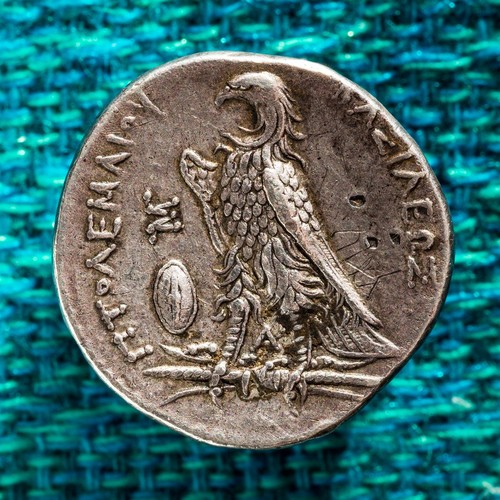
Tetradrachm of Ptolemy I
305-283 BC
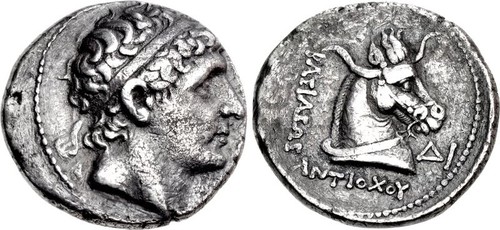
Tetradrachm of Antiochos I Soter
281-261 BC
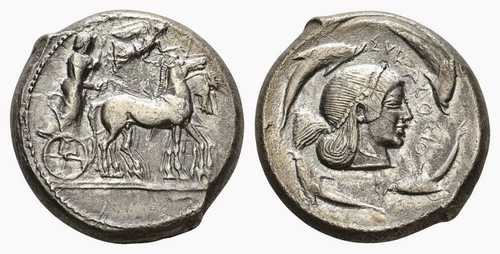
Syracuse Tetradrachm
c. 5th-4th century BC (Classical period)
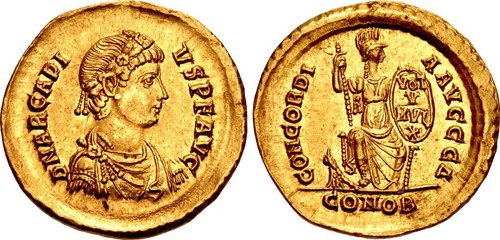
Solidus of Arcadius
AD 395-402
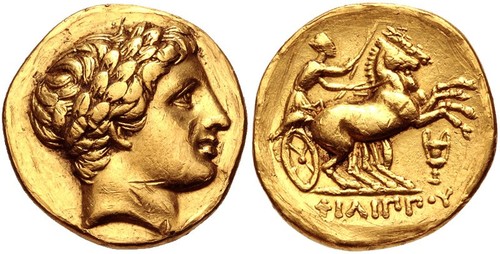
Philip III Gold Stater
323-317 BC
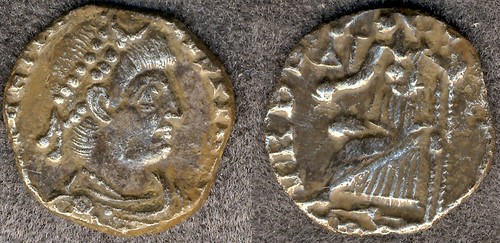
Siliqua of Gratian
AD 367-383
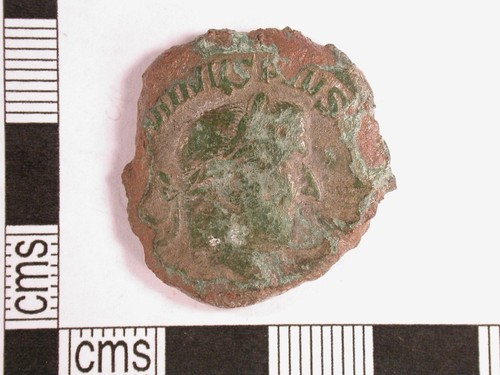
Sestertius of Maximinus Thrax
235-238 AD
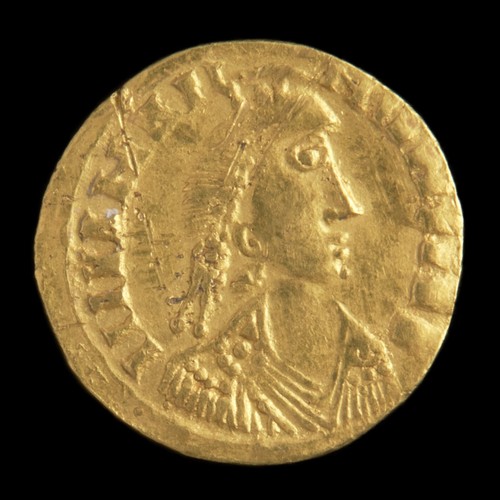
Solidus of Valentinian III
AD 425-455
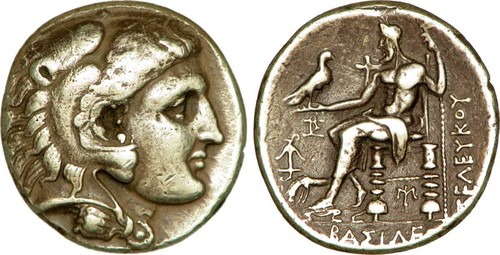
Seleucus I Nicator Tetradrachm
Late 4th-3rd century BC
Nummus of Magnentius
AD 350-353
Follis of Galerius
AD 308-310