
How to Identify the Antoninianus of Valerian II
A collector's guide to attributing a Valerian II radiate by its youthful portrait, Caesar titles, reverse figure, size, and metal.
Read the full Antoninianus of Valerian II encyclopedia entry →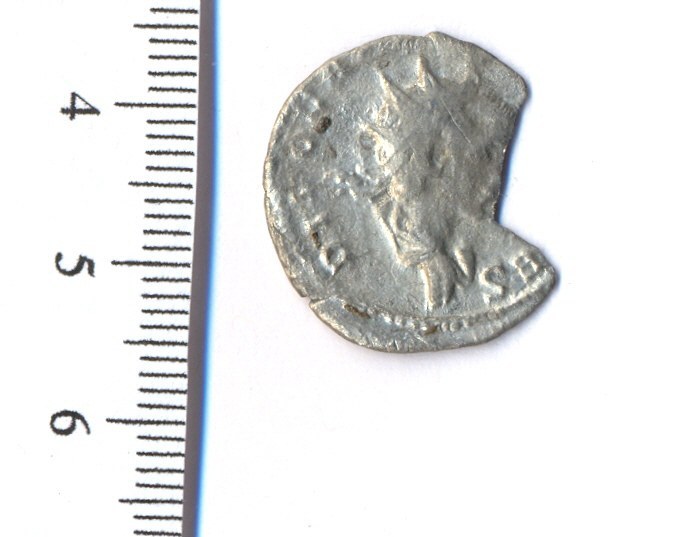
Begin with the obverse portrait. A genuine antoninianus of Valerian II shows a young male bust facing right wearing a radiate crown of pointed spikes, not a laurel wreath. Read the encircling legend closely: the name VALERIANVS combined with the junior title CAES or NOB CAES points to Valerian II as Caesar, while a DIVO VALERIANO legend indicates a posthumous, deified issue. The distinctly youthful, boyish features help separate him from the mature, sometimes bearded adult emperors of the same period.
Next examine the reverse. Expect a single standing draped figure, a deity or personification, holding identifying attributes and named by the surrounding legend. Heir-themed reverses such as PRINCIPI IVVENTVTIS are characteristic for a designated successor, and deified coins may show altars or eagles. Matching the figure's attributes to the reverse legend is the decisive attribution step, since the same standing formats are shared across many rulers.
Check the physical coin. Diameter usually falls around 20-23 mm with a weight near 2.5-4 grams. Because the metal is debased billon, a dull bronze, grey, or lightly toned surface is normal and expected; a bright, dead-white, or unusually heavy piece should be treated with caution.
Watch for confusion with close relatives. Valerian II is easily mixed up with his grandfather Valerian I and his father Gallienus, all of whom used similar radiate portraits and standing-figure reverses; the boyish face plus the CAES title is what distinguishes the young Caesar. His brother Saloninus, another junior Caesar of the family, is another common mix-up, so always confirm the full obverse name.
Finally, guard against fakes. Cast copies reveal edge seams, surface bubbles, and soft, mushy lettering, whereas genuine coins are struck with crisp detail on the high points. When authenticity or value matters, compare the exact obverse and reverse legends against a standard reference such as RIC rather than relying on the portrait style alone.
Frequently asked questions
What is the fastest way to attribute this coin to Valerian II?
Read the obverse legend for VALERIANVS together with the junior title CAES or NOB CAES, and confirm a youthful radiate portrait; that combination points to Valerian II rather than Valerian I or Gallienus.
How do I tell Valerian II from Valerian I on a coin?
Valerian I appears as a mature adult titled AVG (Augustus), while Valerian II is shown as a young boy titled CAES (Caesar). The age of the portrait and the title are the key differences.
Is a bronze-colored surface a sign of a fake?
No. Antoniniani of this period are debased billon, so a dull bronze or grey surface is normal for a genuine coin and is not by itself evidence of a forgery.
How can I spot a cast forgery?
Genuine coins are struck and show sharp detail; casts often show a seam around the edge, small surface bubbles, and blurry, soft lettering.