
Belize 1 Cent
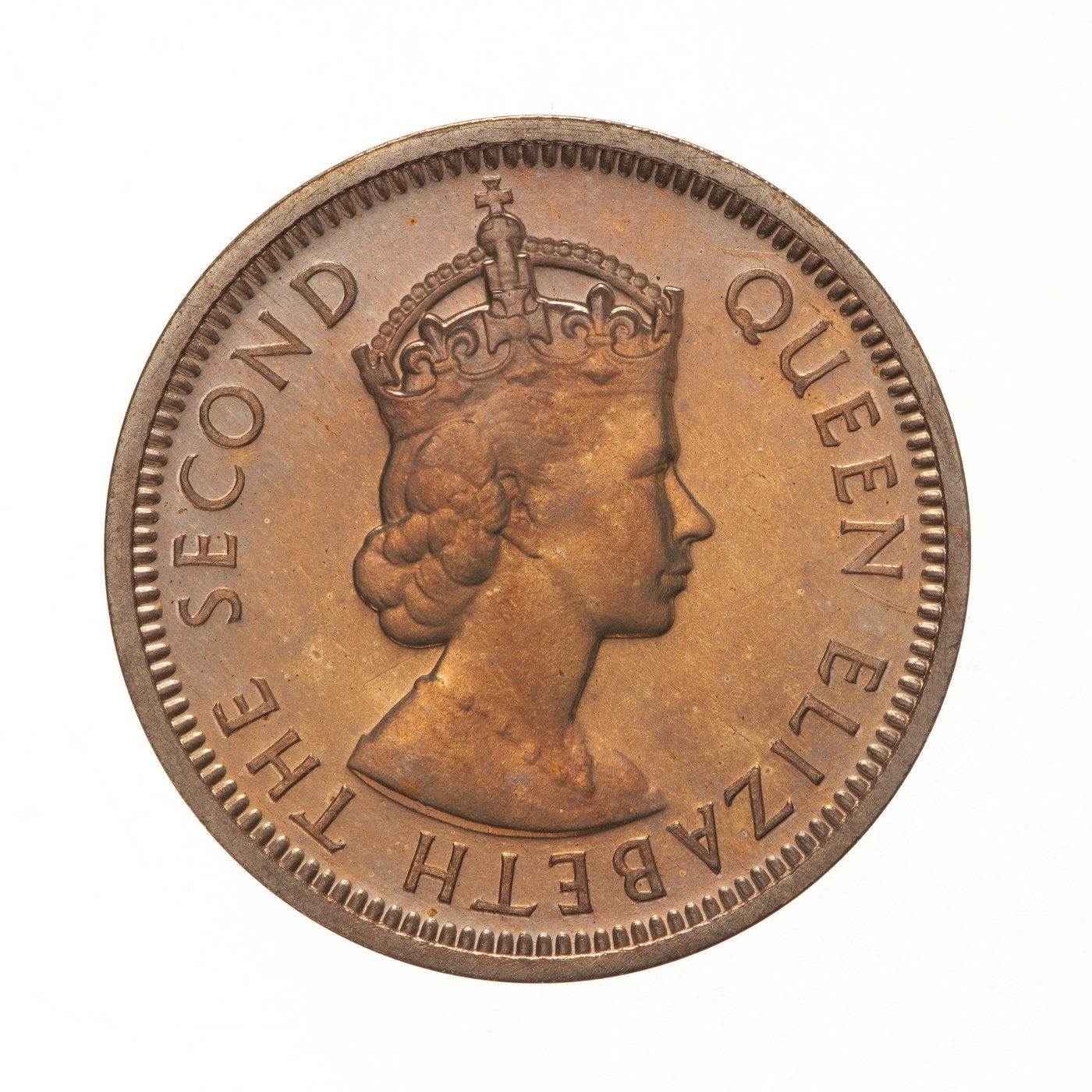
A small bronze one-cent coin from the Caribbean nation now called Belize, carrying a portrait of Queen Elizabeth II and dated 1954.
- Country
- Belize
- Denomination
- 1 Cent
- Metal
- Bronze
Got a coin like this?
Identify any coin from a photo, free.
Overview
The Belize 1 Cent is the smallest denomination in the coinage of Belize, a small nation on the Caribbean coast of Central America. This example is a bronze one-cent piece bearing a portrait of Queen Elizabeth II on its obverse together with a Latin-style royal legend and the date 1954.
As a low-denomination circulation coin, the cent is a warm copper-brown bronze piece meant for everyday use. The photographed side shows the crowned or draped royal portrait with the legend naming Elizabeth II; the value side is not visible in this image and would carry the denomination and date typical of a one-cent coin.
Coins of this small denomination are generally common and modestly valued, of interest chiefly as national and historical collectibles rather than as rarities.
History & Background
In 1954 the territory that is now Belize was administered as the British colony of British Honduras, and it continued under that name until it was renamed Belize in 1973. Coins struck during this era carried the portrait of the reigning British monarch, and a 1954 date places this cent early in the reign of Queen Elizabeth II, who acceded in 1952.
The one-cent denomination was the base unit of a cents-and-dollar system used in the colony. Small bronze cents of this kind circulated as everyday small change alongside higher silver-coloured denominations. Because the country's name changed in the early 1970s, coins predating that change belong to the British Honduras period even when catalogued today under the modern name Belize.
As with many colonial and Commonwealth issues of the mid-twentieth century, these coins were produced under British authority, and the smallest denominations were struck in bronze for durability and low cost.
How to Identify
Obverse (shown): a portrait of Queen Elizabeth II surrounded by a royal legend naming her, with the date 1954 present on the coin. The lettering runs around the rim framing the royal bust, as is standard on Commonwealth coinage of the period.
Reverse (not shown here): the value side of a one-cent coin of this type carries the denomination and typically the issuing name and decorative or heraldic elements. It is not visible in this image, so identify the coin primarily from the dated Elizabeth II obverse.
Size and metal: this is a small coin struck in bronze, giving it a reddish-brown to dark-brown colour that deepens with age and handling. The bronze tone separates the cent from the pale, silver-coloured higher denominations of the same currency. The presence of the 1954 date and the Elizabeth II portrait are the quickest identifiers for this issue.
Value & Collectibility
Small bronze cents of this kind are generally common and inexpensive. Well-worn circulated examples usually trade for only a small amount above their novelty and collectible interest, and they are most often collected by date and country rather than for individual rarity.
Condition drives most of the price difference. Coins that retain sharp detail on the royal portrait, clean surfaces, and original colour command a premium over dark, corroded, or heavily worn pieces. Spotting, cleaning, and rim damage all reduce desirability.
Because values depend heavily on the exact date, grade, and the current collector market, treat any single figure as approximate. Compare recent sales of similar-grade one-cent coins from this issuing country before buying or selling.
Frequently asked questions
What country is this 1 cent coin from?
It is from Belize, the Caribbean-coast nation of Central America. In 1954 the territory was the British colony of British Honduras, renamed Belize in 1973, so this dated coin belongs to that earlier colonial period.
Who is on the Belize 1 cent?
The visible side shows a portrait of Queen Elizabeth II, the reigning British monarch, surrounded by a royal legend and accompanied by the date 1954.
What metal is the coin made of?
It is struck in bronze, which gives it a warm reddish-brown to dark-brown colour that separates it from the pale silver-coloured higher denominations.
Is the Belize 1 cent valuable?
Usually only modestly. Small bronze cents are generally common; most circulated examples are worth a little above face or novelty value, with cleaner, sharper coins commanding a premium.
Why does a 1954 coin say Belize when the country was British Honduras then?
Catalogues often list coins under a country's modern name. The territory was called British Honduras in 1954 and was renamed Belize in 1973, so 1954-dated pieces are colonial-era issues grouped under the present-day name.
Belize 1 Cent guides
In-depth guides for identifying, valuing, and collecting Belize 1 Cent.
Other coins you may enjoy
5 Francs (First Republic)
L'an 9 (1800–1801)
Trinidad and Tobago Dollar
2015
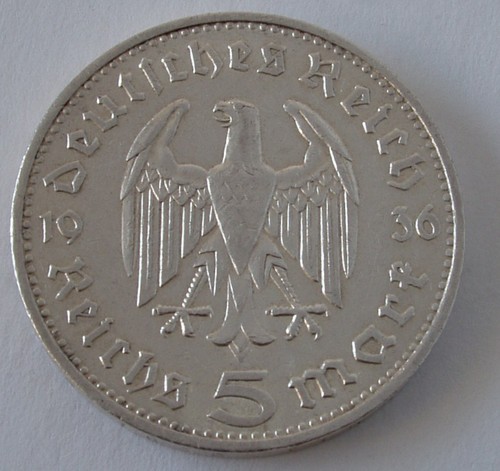
German 5 Reichsmark (Hindenburg)
1935–1936 (Hindenburg type with swastika)
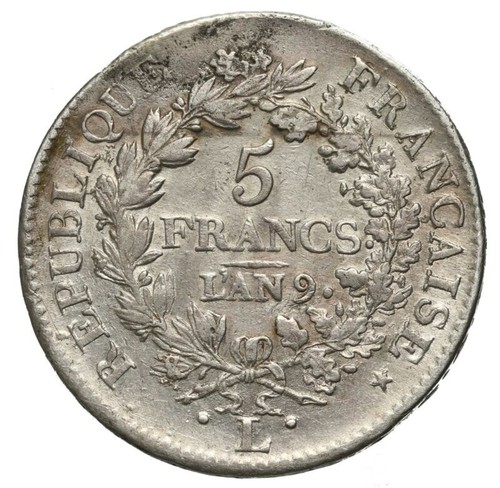
5 Francs Semeuse
1960–1969
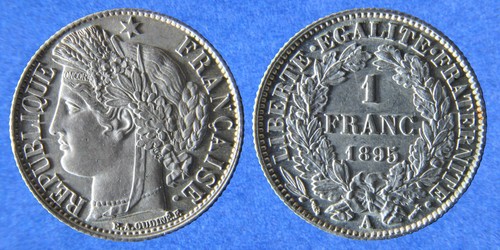
French Cérès 1 Franc
1849–1895
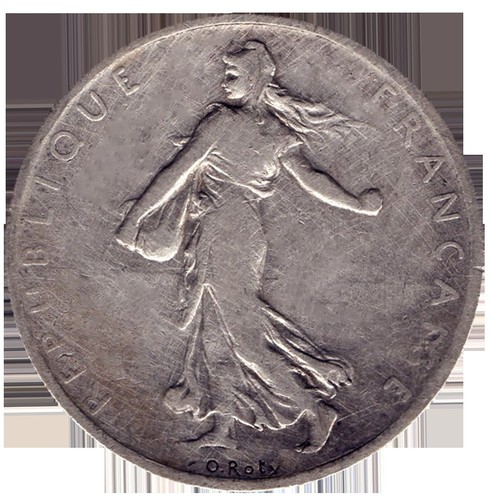
French Semeuse 2 Francs
1898–1920 (silver issues; pictured example dated 1899)
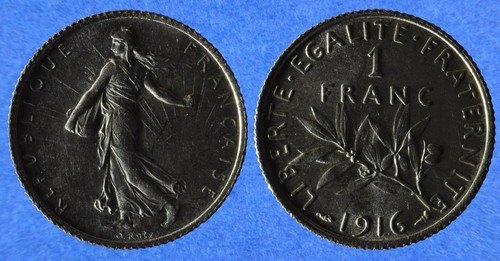
French Semeuse 1 Franc
1898–1920 (silver Semeuse 1 franc type)
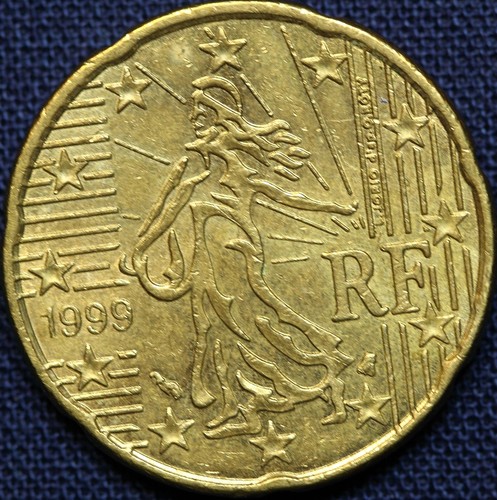
France 50 Cent Euro
1999–present
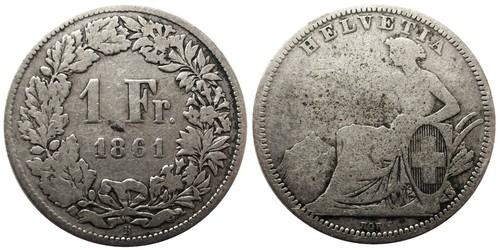
Swiss 1 Franc
1861
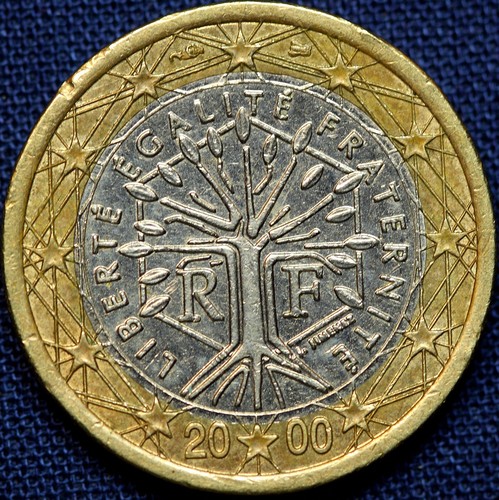
France 20 Centimes
1962–2001 (Fifth Republic, Marianne / Lagriffoul type)
Swiss 2 Francs
1860
Austria-Hungary 15 Kreuzer
1807