
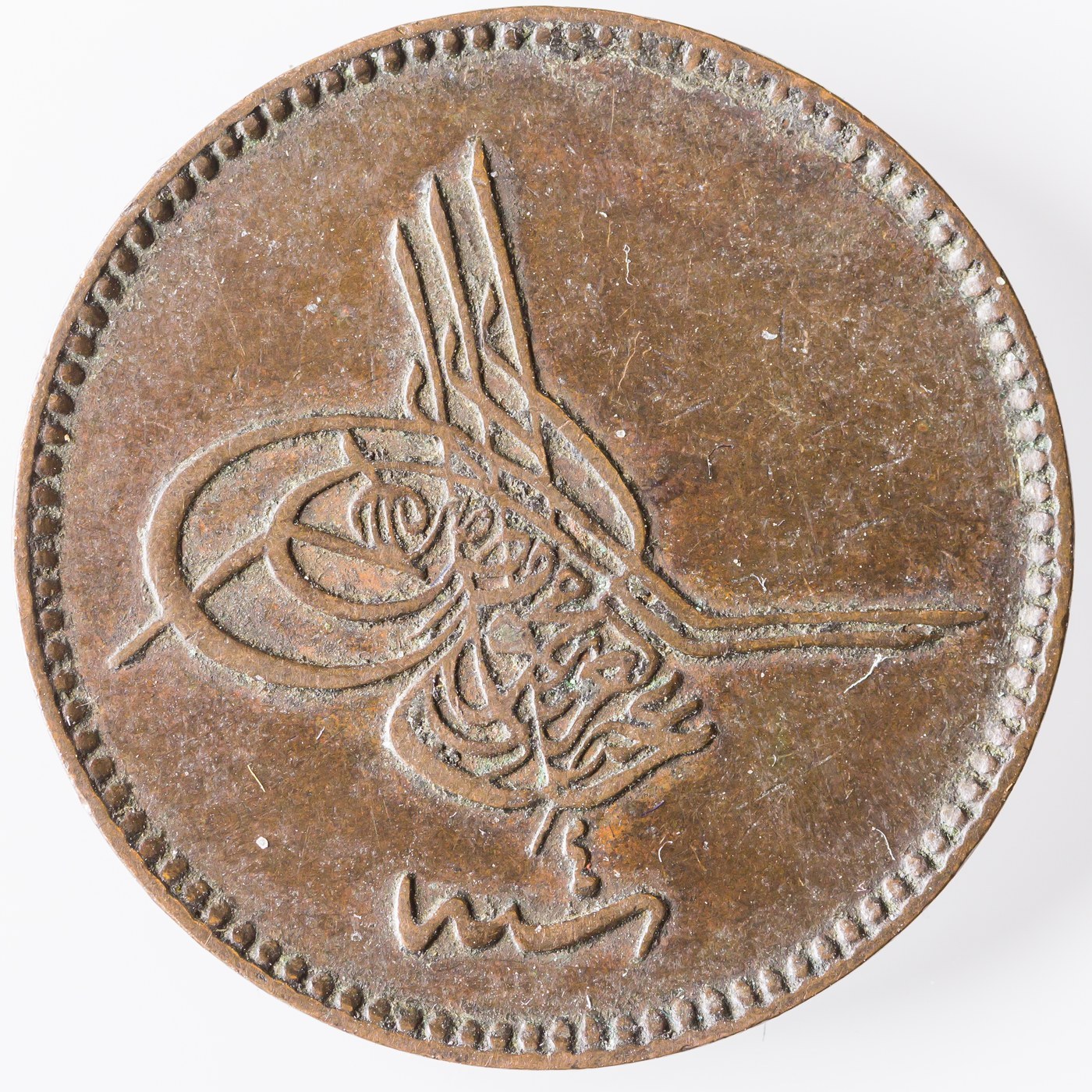
10 Para
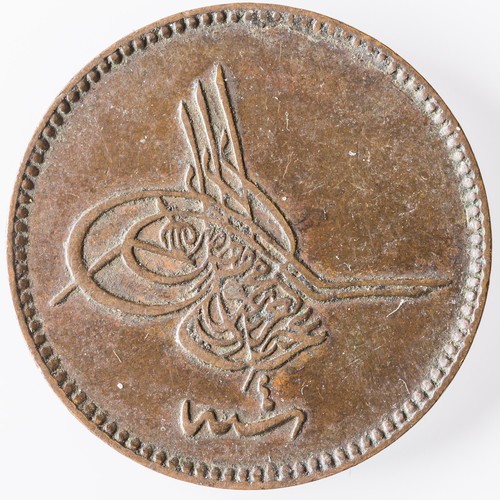
Small Ottoman silver 10 Para dated AH 1280 (1863-1864), with the sultan's calligraphic tughra on one side and an ornamental Arabic-script inscription on the other.
- Country
- Ottoman Empire
- Denomination
- 10 Para
- Metal
- Silver
Got a coin like this?
Identify any coin from a photo, free.
Overview
The 10 Para dated AH 1280 is a small silver minor coin of the Ottoman Empire, struck in the period corresponding to 1863-1864 CE. The para was the empire's fractional unit, with 40 para making one kurus (piastre), so this piece is a quarter of a kurus and served as everyday small change across Ottoman lands.
One face is dominated by the tughra, the sultan's elaborate calligraphic monogram, framed by decorative flourishes. The other carries an ornamental inscription in Arabic script that includes the value and the Islamic (Hijri) date 1280. The coin is modest in size and struck in silver, in keeping with the low-value para denominations of the mid-nineteenth-century reformed coinage.
For collectors the coin is valued as a compact, distinctly Islamic-style piece of Ottoman history from the reign of Sultan Abdulaziz. It is collected as a type example of Ottoman para coinage, with the tughra, the Arabic-script legends, and the AH 1280 date the main points of interest alongside condition.
History & Background
The para was a long-standing Ottoman denomination, and by the mid-nineteenth century the empire's currency was organized around the kurus (piastre) of 40 para, with the gold lira at the top of the system. Coins such as the 10 Para served as the small change of markets and daily commerce throughout the empire.
A Hijri date of 1280 corresponds to 1863-1864 CE, placing this coin in the reign of Sultan Abdulaziz, who ruled from 1861 to 1876. His coinage continued the reformed monetary standards established in the preceding decades, when Ottoman money was regularized in weight and fineness. Following Islamic tradition, Ottoman coins of this era show the reigning sultan's tughra rather than a portrait.
The Ottoman Empire endured into the early twentieth century before its dissolution after the First World War and the founding of the Turkish Republic in 1923. Small silver para coins like this one survive today as tangible relics of that long imperial history and of the everyday economy of the mid-1800s Ottoman world.
How to Identify
The obverse is centered on the tughra, the sultan's stylized calligraphic cipher, a dense knot of tall vertical strokes and looping flourishes that is instantly recognizable and unique to Ottoman coinage. Ornamental sprays or floral flourishes typically frame the monogram, which takes the place of any ruler's portrait.
The reverse carries an ornamental inscription in Arabic script, arranged in lines or as a circular legend, stating the denomination and including the Hijri date, here 1280. Ottoman reverses of this period commonly also name the mint and may include a regnal numeral. The script and Arabic numerals read right to left, and there is no Latin lettering on the coin.
This is a small silver coin, only a couple of centimeters across and light in the hand, consistent with a minor para denomination. Key identifiers are the calligraphic tughra, the Arabic-script value and legends, the AH 1280 date, and the pale tone of low-value silver. Together these confirm an Ottoman 10 Para rather than a coin of another state or a larger denomination.
Value & Collectibility
Ottoman para coins of the mid-nineteenth century are widely collected and generally affordable, and a 10 Para of AH 1280 is typically an inexpensive piece in circulated grades. Its worth rests on collector demand, condition, and eye appeal rather than on bullion, since the silver content of these small denominations is low.
Condition is the main driver of value. Worn, corroded, or cleaned examples sit at the bottom of the range, while coins with a clear, sharp tughra, legible legends, and original surfaces bring higher prices. Because these were small everyday coins, well-struck and well-preserved pieces are less common than heavily circulated ones and are more sought after.
Exact prices vary with grade and the specifics of mint and variety, so treat any figures as general ranges rather than fixed quotes. Attractive, problem-free examples and certified higher grades command premiums, while damaged or harshly cleaned coins are worth less. As always, condition and originality matter more than the date alone.
Frequently asked questions
What is the 10 Para made of?
It is a small silver coin, in line with the low-value para denominations of the reformed Ottoman coinage. The silver content of such minor coins is low, so its value comes mainly from collector interest and condition.
What does AH 1280 mean?
AH refers to the Islamic Hijri calendar. The year 1280 AH corresponds to about 1863-1864 CE, placing the coin in the reign of the Ottoman sultan Abdulaziz.
What is the swirling design on the front?
That is the tughra, the sultan's elaborate calligraphic monogram. Ottoman coins use the tughra in place of a ruler's portrait, following Islamic tradition, and it is a hallmark of Ottoman coinage.
How much was a 10 Para worth in its day?
The Ottoman kurus (piastre) was divided into 40 para, so 10 para equaled a quarter of a kurus. It was small change used for everyday transactions across the empire.
Is this coin rare or valuable?
Ottoman para coins of this era are widely available and usually inexpensive. Value depends on grade: worn coins are modest, while sharp, original examples with a clear tughra bring higher premiums.
10 Para guides
In-depth guides for identifying, valuing, and collecting 10 Para.
10 Para identified by the community
Real coins identified with Coin Identifier.
Other coins you may enjoy
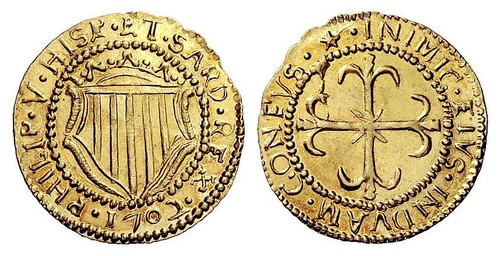
Scudo (Philip V)
c. 1701–1708
Rijksdaalder van Leicester
1580s-1590s
Kopek (Peter I)
c. 1704–1718 (observed 1711)
Imperial Chervonets
1762
Prinsendaalder (Rijksdaalder)
1592
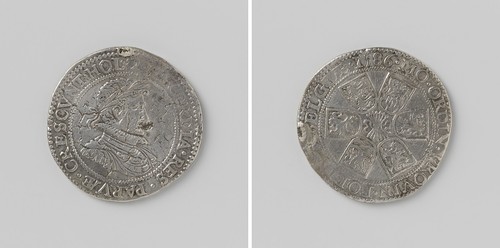
Halve Rijksdaalder van Leicester
1580s-1590s
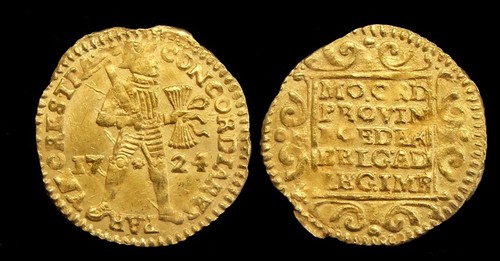
Gouden Dukaat
1724
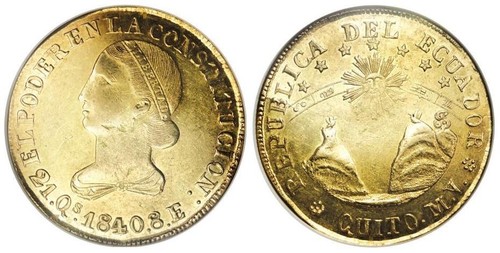
Escudo (Joanna and Charles V, contemporary copy)
1516-1558
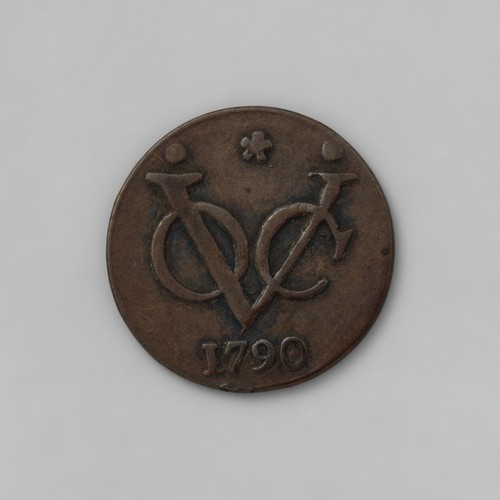
Duit (VOC)
1790
4 Escudos
1780s
Tymf
1663
Speciedaler
1628