
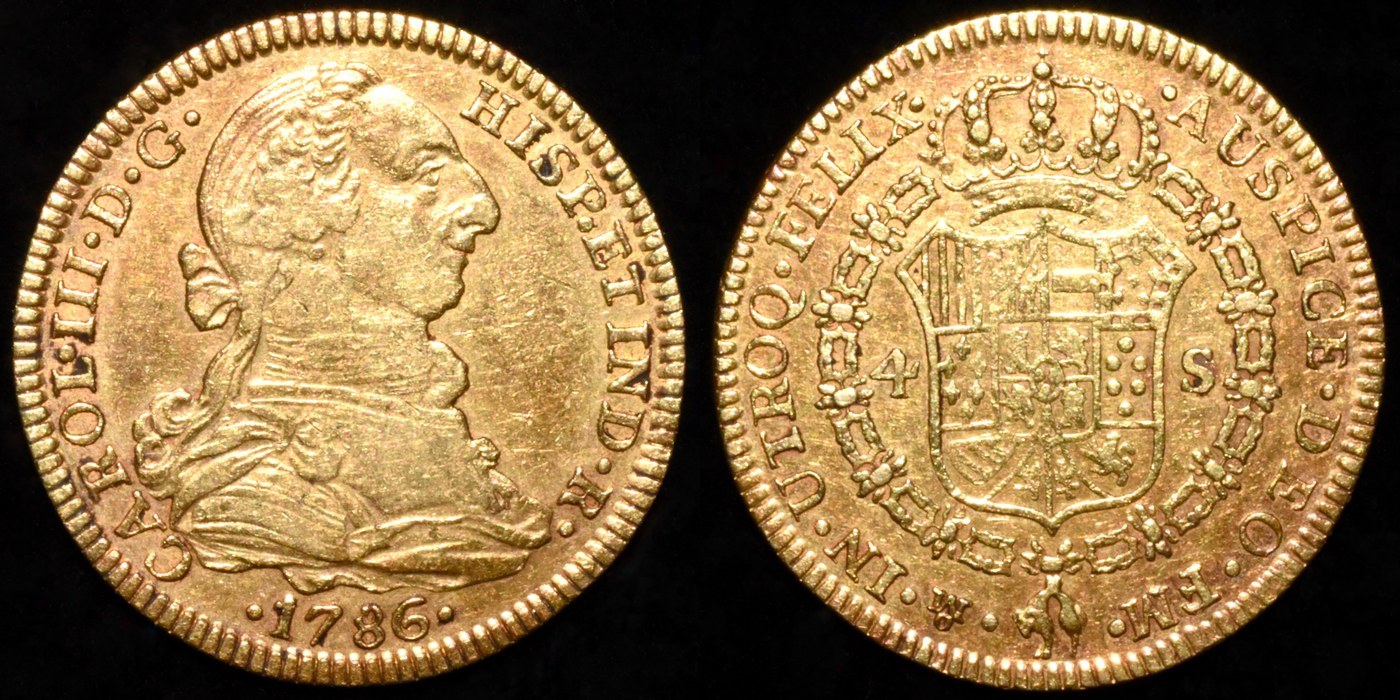
4 Escudos
Spanish Bourbon gold 4 Escudos of the 1780s, with an armored royal bust facing right and a crowned coat of arms on the reverse.
- Country
- Spain
- Denomination
- 4 Escudos
- Metal
- Gold
Got a coin like this?
Identify any coin from a photo, free.
Overview
This is a Spanish gold 4 Escudos, a substantial Bourbon-era gold coin dated to the 1780s. The obverse shows a profile bust of the reigning king facing right, dressed in ornate armor with decorative detailing, encircled by a Latin royal legend and the date. The reverse carries a large crowned coat of arms, with the shield of the Spanish monarchy set within heraldic ornament.
The 4 Escudos sat in the middle of Spain's gold escudo series, valued at half of the well-known 8 Escudos "doubloon." Coins of this type were struck both in mainland Spain and across the mints of Spain's American empire, and they circulated widely in international trade during the late eighteenth century.
History & Background
The escudo was the principal gold denomination of the Spanish Empire from the sixteenth century onward, and by the 1780s Spain was under the Bourbon dynasty. An armored bust design of this kind, with the king shown in profile in the modern portrait style, is characteristic of the reign of Charles III (1759 to 1788), whose milled "bust type" gold coinage was struck through the 1770s and 1780s.
Gold escudos of this period were produced at peninsular mints such as Madrid and Seville, and at major colonial mints including Mexico City, Lima, Popayan, Santa Fe de Bogota, and Potosi. Gold flowing from the Americas made these coins a mainstay of global commerce, and the 4 Escudos and its larger 8 Escudos companion were among the most trusted gold pieces of the age. A monetary reform in 1772 slightly reduced the fineness of the gold, so coins struck in the 1780s reflect that later standard.
How to Identify
Look for a right-facing armored royal bust on the obverse, surrounded by a Latin legend that typically begins with the king's name and titles (for example CAROLUS III D G HISPAN ET IND REX) along with the date. The reverse shows the crowned Spanish royal arms within an ornamental surround, usually flanked by a mint mark, the assayer's initials, and the numeral 4 indicating the denomination.
A genuine 4 Escudos of this era is gold, roughly 29 to 30 mm in diameter and about 13.5 grams, at a fineness near .901 (about 21.9 karat) following the 1772 standard. This is half the size and weight of the 8 Escudos. Examine the mint mark and assayer initials on the reverse to attribute the specific mint, and compare the portrait, legends, and arms against documented references, since colonial issues vary in style and are frequently imitated.
Value & Collectibility
As a gold coin of about 13.5 grams at roughly .901 fineness, a genuine 4 Escudos carries a meaningful bullion floor (on the order of a third of an ounce of gold) plus a numismatic premium tied to the ruler, mint, date, and condition. Common mints and dates in circulated grades often trade from the mid hundreds of dollars into four figures, while scarcer mints, better dates, and high-grade examples command substantially more.
Because these are valuable gold pieces, they are a frequent target for counterfeits and cast copies. Weight, diameter, fineness, and the sharpness of the portrait and legends should all be checked, and any piece being sold at a strong premium is best confirmed by third-party authentication before purchase. Price the coin on verified metal, verified mint attribution, and verified authenticity rather than on eye appeal alone.
Frequently asked questions
Who is shown on the coin?
The obverse carries a right-facing armored profile bust of the reigning Spanish Bourbon king. An armored bust of this style dated to the 1780s is characteristic of Charles III (reigned 1759 to 1788), identified by the Latin legend around the portrait.
What is the 4 Escudos worth in the escudo system?
It was valued at four gold escudos, exactly half of the 8 Escudos coin often called the doubloon. In size and weight it is roughly half of the 8 Escudos.
What is it made of?
It is gold. Coins struck in the 1780s follow the post-1772 standard of about .901 fineness (roughly 21.9 karat), with a genuine piece weighing near 13.5 grams.
Where was it minted?
Gold escudos of this era were struck at Spanish mints such as Madrid and Seville and at colonial American mints including Mexico City, Lima, Popayan, Santa Fe de Bogota, and Potosi. The mint mark and assayer initials on the reverse identify the specific mint.
Is it valuable?
Yes. A genuine example carries both gold bullion value and a numismatic premium that varies with mint, date, and condition, ranging from a few hundred dollars for worn common pieces to much more for scarce or high-grade coins.
4 Escudos guides
In-depth guides for identifying, valuing, and collecting 4 Escudos.
Other coins you may enjoy
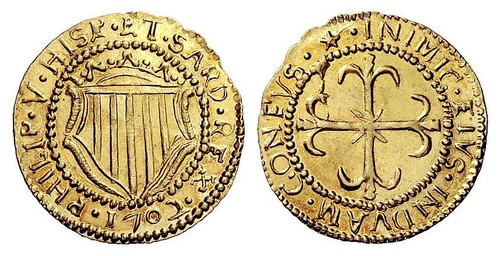
Scudo (Philip V)
c. 1701–1708
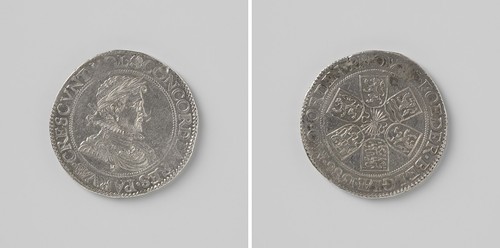
Rijksdaalder van Leicester
1580s-1590s
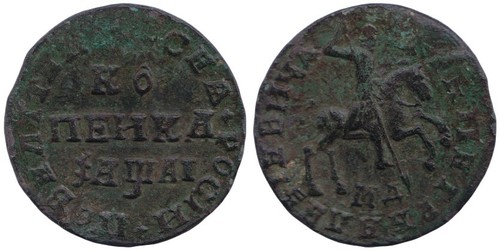
Kopek (Peter I)
c. 1704–1718 (observed 1711)
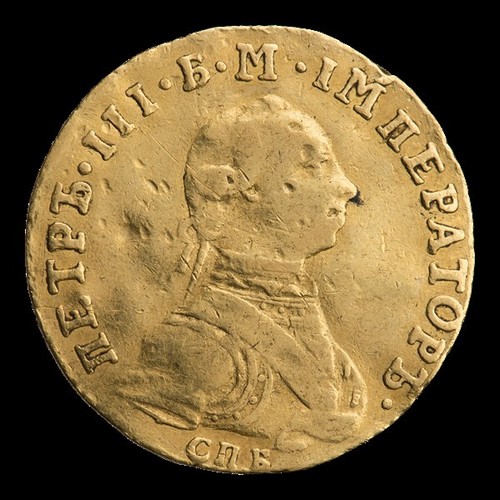
Imperial Chervonets
1762
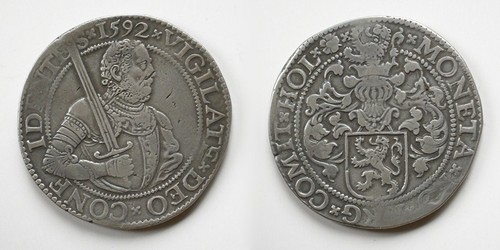
Prinsendaalder (Rijksdaalder)
1592
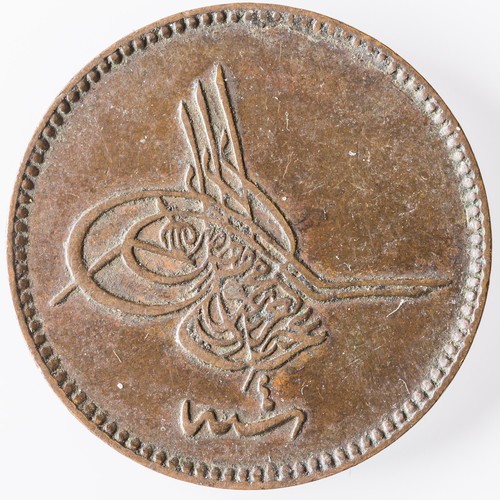
10 Para
AH 1280 (1863-1864 CE)
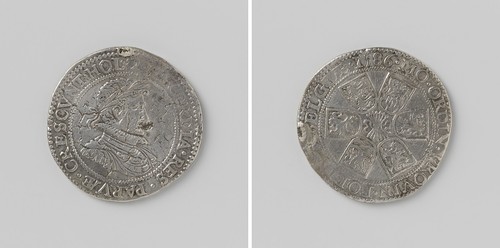
Halve Rijksdaalder van Leicester
1580s-1590s
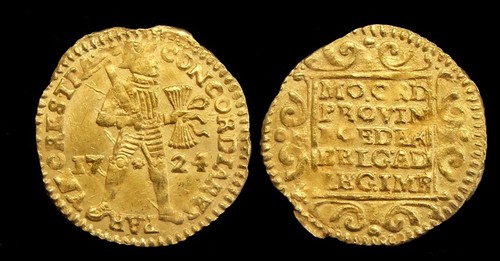
Gouden Dukaat
1724
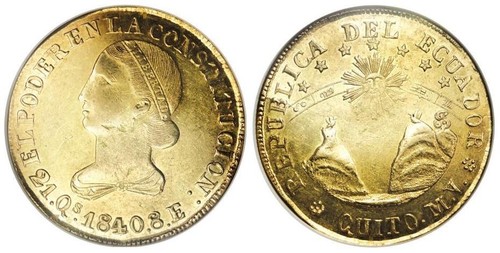
Escudo (Joanna and Charles V, contemporary copy)
1516-1558
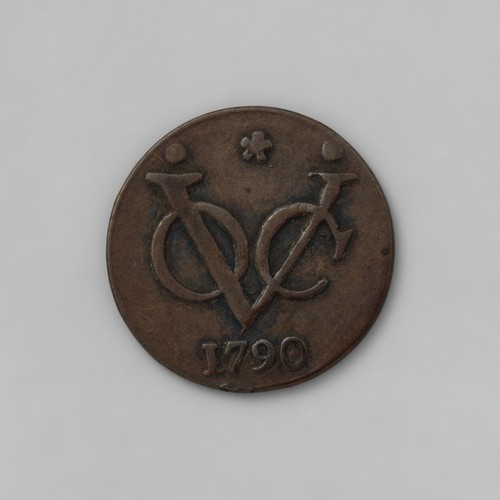
Duit (VOC)
1790
Tymf
1663
Speciedaler
1628