
Speciedaler
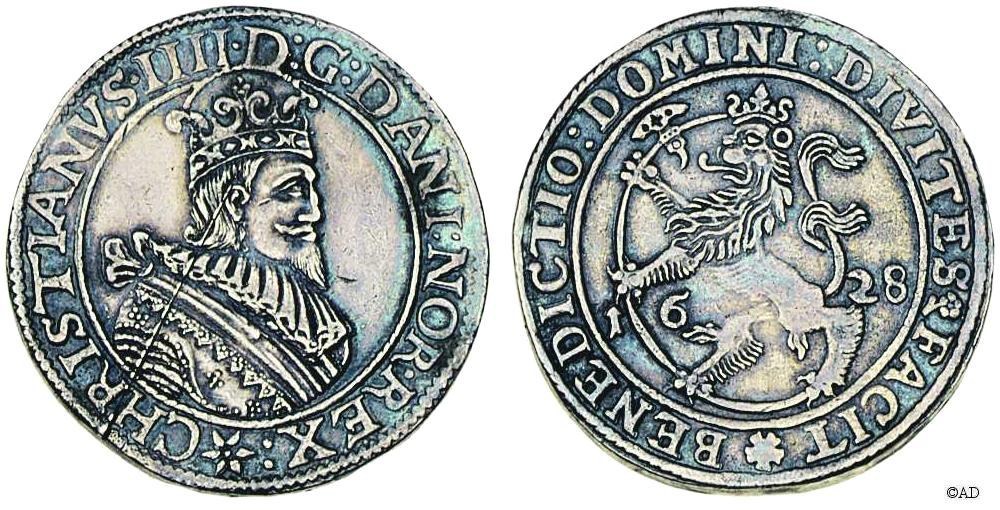
Large early-modern Norwegian silver crown of the Dano-Norwegian kingdom, showing a crowned royal bust and the Norwegian lion shield, dated 1628.
- Country
- Norway
- Denomination
- Speciedaler
- Metal
- Silver
Got a coin like this?
Identify any coin from a photo, free.
Overview
The Speciedaler is a large silver coin ("species" thaler) struck for Norway during the era when Norway and Denmark were united under a single crown. The 1628 piece is a heavy, crown-sized silver coin from the reign of King Christian IV and belongs to the classic family of European thaler coinage.
The observed coin pairs a crowned male royal bust in profile, surrounded by an inscription, with a reverse showing the Norwegian lion within an ornamental shield and circle. It is a broad, weighty silver piece of the kind that circulated as high-value trade money across Northern Europe in the seventeenth century.
As a physically imposing early-modern silver coin tied to the beginnings of Norwegian silver mining and to a monarch remembered for founding towns and mints, the Speciedaler is a well-known type among collectors of Scandinavian and thaler-series coinage.
History & Background
In the early seventeenth century Norway was governed as part of the Dano-Norwegian union, so its coins were issued under the Danish-Norwegian king, Christian IV, who reigned from 1588 to 1648. The word "speciedaler" distinguished the full-weight silver thaler struck in specie from lighter money of account, and it became the standard name for Norway's large silver coin.
The 1628 date falls in the years after silver was discovered at Kongsberg, which spurred Norwegian mining and coin production and gave the kingdom a domestic source of silver for large denominations. Christian IV is closely associated with the development of Norwegian coinage during this period.
The speciedaler as a denomination proved durable: the name and the crown-sized silver standard continued in Norway long after 1628, remaining a recognized unit into the nineteenth century. The 1628 issue is an early example of this long-lived Norwegian silver tradition.
How to Identify
This is a large, heavy silver coin in the thaler class, typically around 40 mm across and on the order of 28 to 29 grams, struck in high-grade silver. It should feel substantial and dense, show the tone of genuine old silver, and be non-magnetic.
The obverse carries a crowned male bust in profile, the reigning king, encircled by a Latin legend giving the royal name and titles. The reverse, matching the photo, presents the Norwegian lion, a rampant lion, on a shield set within an ornamental border or circle, accompanied by a legend and the date 1628. The lion-shield reverse and the royal bust obverse together are the defining combination.
Key identifiers are the crowned royal portrait, the Norwegian lion arms within a decorative shield, the 1628 date, the crown-sized silver format, and the Latin inscriptions of the Dano-Norwegian monarchy. Reading the legends helps confirm the specific ruler and mint behind the piece.
Value & Collectibility
As a large seventeenth-century silver coin, the Speciedaler carries significant collector value driven by its size, silver content, age, and historical association. Genuine early-modern speciedalers are meaningfully more valuable than small circulation silver, and prices rise sharply with condition and eye appeal.
Worn but honest examples of a common date and type can trade in the mid hundreds of dollars, while sharp, well-struck, or attractively toned pieces reach substantially higher levels. Scarce dates, mint varieties, and high grades can command premium prices well into the thousands.
Because value depends heavily on the exact date, mint, variety, grade, and originality, and because desirable early thalers are frequently faked, treat these as broad ranges rather than fixed quotes. Cleaned, holed, mounted, or damaged coins trade well below problem-free examples, and high-value pieces are best bought certified or authenticated.
Frequently asked questions
Who issued the Norwegian Speciedaler of 1628?
It was issued under the Dano-Norwegian crown during the reign of King Christian IV, who ruled Denmark and Norway together from 1588 to 1648. The crowned bust on the obverse represents the reigning monarch.
What does "speciedaler" mean?
It means the full-weight silver thaler struck in "specie," as opposed to lighter money of account. The term became the standard name for Norway's large crown-sized silver coin.
Is the Speciedaler real silver?
Yes. It is a genuine large silver coin of the thaler class, struck in high-grade silver, which is why it is broad and heavy. Its silver content contributes to its value alongside its age and collector demand.
What is the animal on the reverse?
It is the Norwegian lion, a rampant lion shown on a shield within an ornamental circle. The lion arms are the heraldic emblem of Norway and are the defining feature of the coin's reverse.
Is this a rare coin?
Early-modern speciedalers are scarce and valuable relative to ordinary silver, but survival varies by date and mint. Value depends far more on the exact date, variety, and condition than on rarity alone.
Speciedaler guides
In-depth guides for identifying, valuing, and collecting Speciedaler.
Other coins you may enjoy
Scudo (Philip V)
c. 1701–1708
Rijksdaalder van Leicester
1580s-1590s
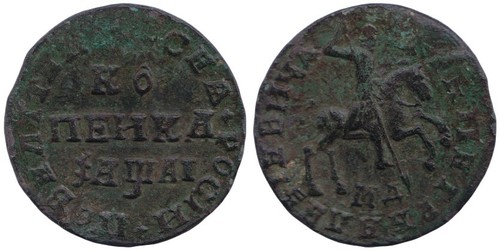
Kopek (Peter I)
c. 1704–1718 (observed 1711)
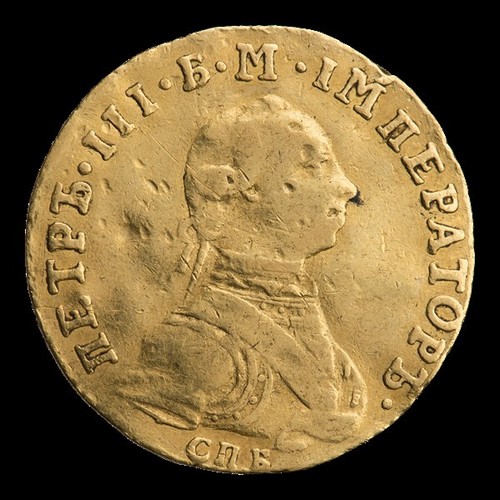
Imperial Chervonets
1762
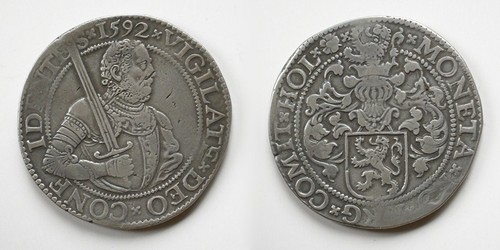
Prinsendaalder (Rijksdaalder)
1592
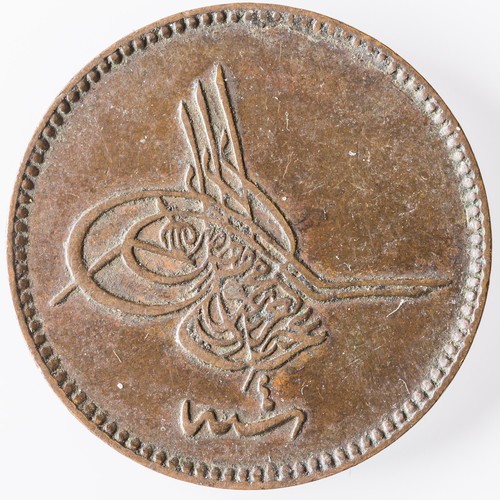
10 Para
AH 1280 (1863-1864 CE)
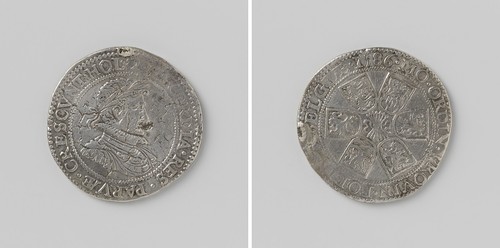
Halve Rijksdaalder van Leicester
1580s-1590s
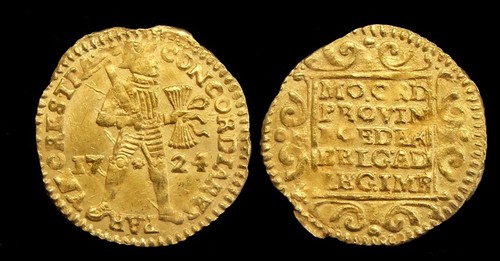
Gouden Dukaat
1724
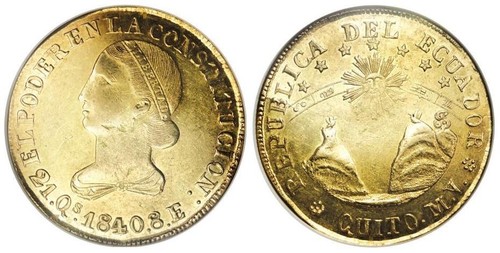
Escudo (Joanna and Charles V, contemporary copy)
1516-1558
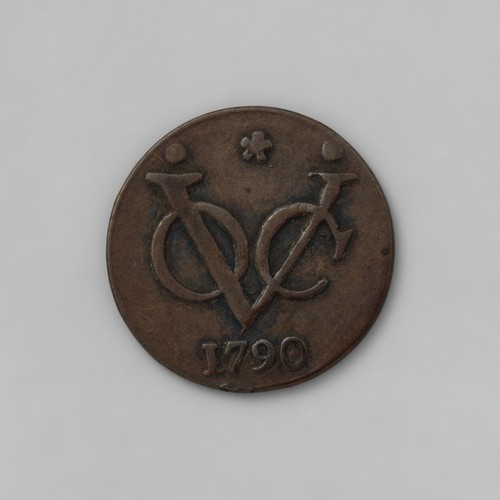
Duit (VOC)
1790
4 Escudos
1780s
Tymf
1663