
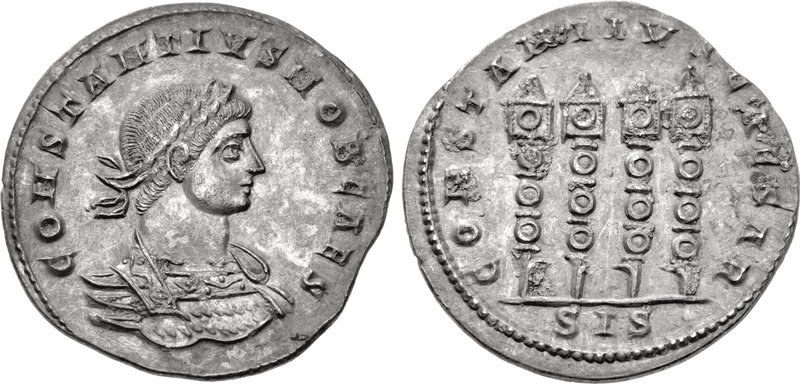
Miliarensis of Constantius II
A late Roman silver miliarensis of Emperor Constantius II (AD 327–361), showing his diademed portrait and a standing reverse figure.
- Country
- Roman Empire
- Denomination
- Miliarensis
- Metal
- Silver
Got a coin like this?
Identify any coin from a photo, free.
Overview
The miliarensis is a silver denomination of the late Roman Empire, and this example was struck under Constantius II, a son of Constantine the Great who ruled as Augustus from AD 337 to 361 (with a caesarship from 324 and the 327 date reflecting the broader span of his coinage). Larger and finer than the small bronze coins of the period, the miliarensis sits above the smaller siliqua in the reformed silver coinage introduced in the fourth century.
The coin shown here follows the standard late Roman pattern: the obverse bears the emperor's bust wearing a pearl diadem, with a Latin legend giving his name and titles, while the reverse carries a standing figure or Victory holding attributes such as a wreath, standard, or trophy, accompanied by a legend and a mint mark in the exergue. Because it was struck in good silver and in relatively modest numbers compared with the base-metal issues, the miliarensis is a prized late Roman type among collectors of ancient coins.
History & Background
Constantius II was born in AD 317 and became Augustus in 337 following the death of his father Constantine the Great, sharing rule with his brothers before emerging as sole emperor by 353. His long reign was marked by civil wars, campaigns against the Persians on the eastern frontier, and involvement in the theological disputes of the fourth-century church.
The miliarensis was part of the silver coinage reformed under the Constantinian dynasty. It was produced at imperial mints across the empire, including centers such as Constantinople, Antioch, Nicomedia, Thessalonica, Sirmium, and the western mints. Silver denominations of this period were struck in far smaller quantities than the everyday bronze coinage and often served for donatives, ceremonial payments, and higher-value transactions.
Because the type spans much of Constantius II's career, individual coins can range across the roughly AD 337–361 period of his rule as Augustus, with the wider 327–361 window reflecting the full arc of his portrait coinage. Surviving miliarenses are comparatively scarce today, and their good silver content and imperial imagery have long made them desirable to historians and collectors alike.
How to Identify
Identify a miliarensis first by metal and size: it is a silver coin, larger and heavier than the small siliqua but smaller than a gold solidus, typically in the low-to-mid 4 to 5 gram range depending on the specific standard and mint. Its broad, thin flan and good silver surface distinguish it from the debased base-metal coins that dominate late Roman finds.
The obverse shows the bust of Constantius II facing right, wearing a pearl diadem rather than a radiate or laureate crown, a marker of mid-fourth-century imperial style. The surrounding Latin legend typically reads a form of D N CONSTANTIVS P F AVG (Dominus Noster Constantius Pius Felix Augustus). The reverse presents a standing figure, often the emperor holding a standard and globe, or a Victory holding a wreath and palm or trophy, with a legend naming the type and an exergue mint mark identifying the striking city.
Because several late Roman emperors used near-identical designs, the emperor's name in the obverse legend is the decisive diagnostic. Confirm the reading CONSTANTIVS to separate this coin from the very similar issues of Constans, Constantine II, or later rulers such as Julian and Valentinian.
Value & Collectibility
As a scarce silver denomination, a miliarensis of Constantius II generally commands more than the common late Roman bronzes. Values vary widely with condition, mint, portrait quality, and completeness of the flan, but circulated collectible examples often fall in the low-to-mid hundreds of dollars, with well-centered, sharply struck, or rare-mint pieces reaching higher.
The grade and eye appeal of the silver surface matter greatly. Coins with clear portraits, full legends, attractive toning, and minimal corrosion bring strong premiums, while worn, clipped, cleaned, or porous examples sell for considerably less. Provenance and secure attribution to a specific mint can also add value.
Because ancient silver is actively collected and studied, buyers should treat any specific figure as indicative only and rely on recent auction records and specialist dealers for current market context. Authenticity and legal export documentation are important considerations that affect both value and salability.
Frequently asked questions
What is a miliarensis?
The miliarensis is a silver denomination of the late Roman Empire, larger and finer than the small siliqua. It was struck in limited numbers and often used for donatives and higher-value payments rather than everyday small change.
How do I know the coin depicts Constantius II?
The obverse Latin legend names the emperor, typically as a form of D N CONSTANTIVS P F AVG. Reading CONSTANTIVS distinguishes it from the near-identical coins of relatives like Constans and Constantine II.
Is this coin made of real silver?
Yes. The miliarensis was struck in good silver, which sets it apart from the debased bronze coinage that makes up most late Roman finds. Its broad, thin silver flan is a key identifying feature.
Are these coins rare?
Silver miliarenses were produced in far smaller quantities than the everyday bronze coinage, so surviving examples are comparatively scarce today and are prized by collectors of ancient Roman coins.
What does the reverse figure represent?
The reverse typically shows a standing figure, often the emperor holding a standard and globe, or a Victory holding a wreath and palm or trophy, accompanied by a legend and a mint mark identifying the striking city.
Miliarensis of Constantius II guides
In-depth guides for identifying, valuing, and collecting Miliarensis of Constantius II.
Other coins you may enjoy
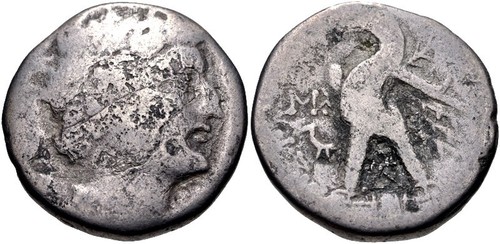
Tetradrachm of Ptolemy XII
80-51 BC
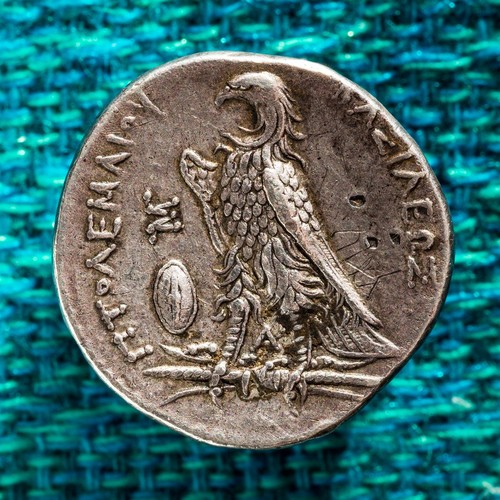
Tetradrachm of Ptolemy I
305-283 BC
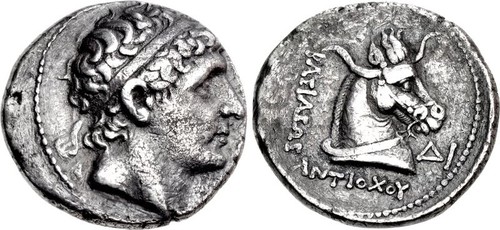
Tetradrachm of Antiochos I Soter
281-261 BC
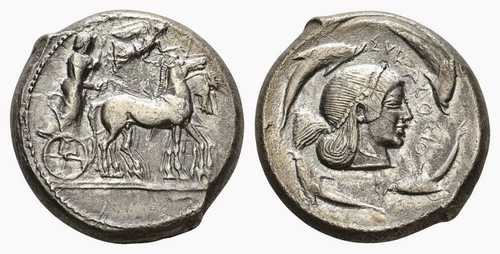
Syracuse Tetradrachm
c. 5th-4th century BC (Classical period)
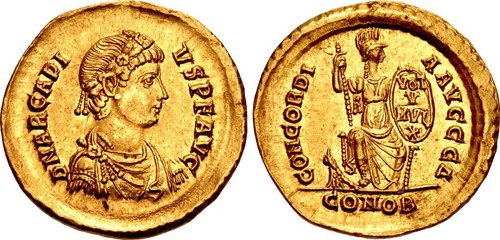
Solidus of Arcadius
AD 395-402
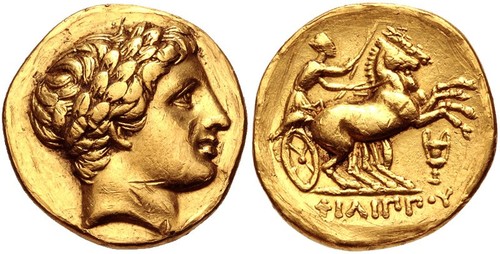
Philip III Gold Stater
323-317 BC
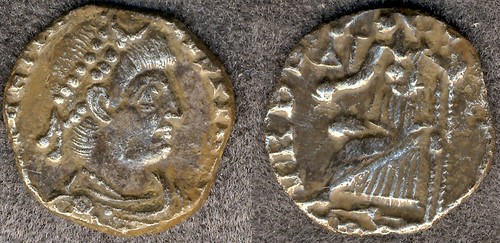
Siliqua of Gratian
AD 367-383
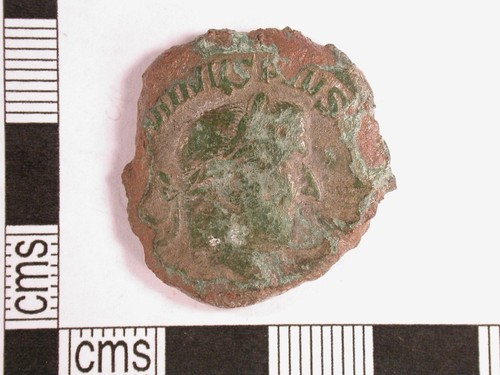
Sestertius of Maximinus Thrax
235-238 AD
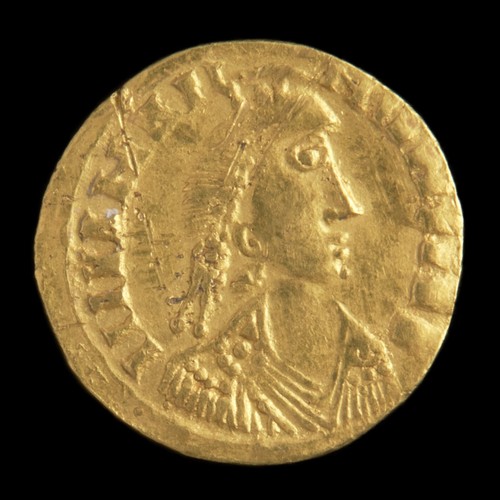
Solidus of Valentinian III
AD 425-455
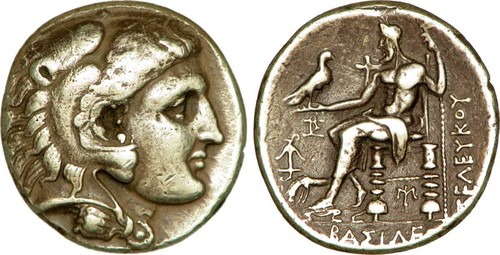
Seleucus I Nicator Tetradrachm
Late 4th-3rd century BC
Nummus of Magnentius
AD 350-353
Follis of Galerius
AD 308-310