
Coin Encyclopedia
Search and identify coins from around the world — with country, denomination, metal, mint, history, and how to tell them apart.
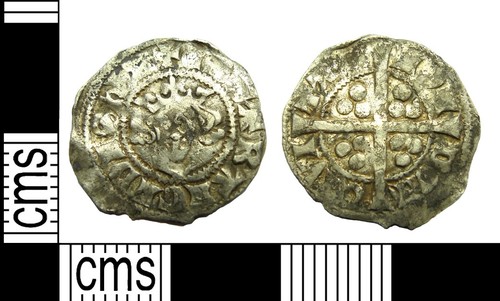
Edward I Penny
Hammered silver penny of Edward I, showing a crowned facing bust on the obverse and a long voided cross with pellets in the quadrants on the reverse.
Medieval Coins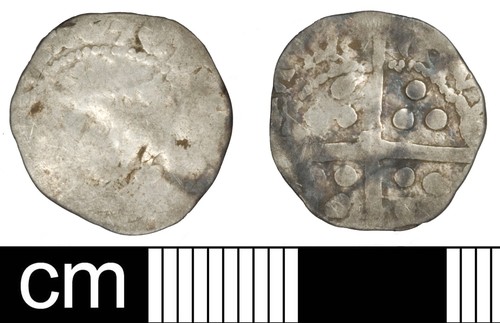
Medieval Penny of Edward III
A hammered silver penny of Edward III (1327–1377): a crowned facing royal bust on one side and a long cross with pellets on the other.
British Isles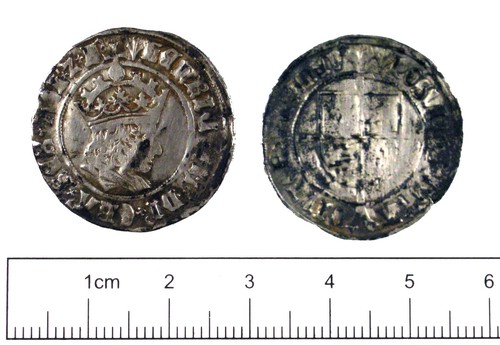
Henry VII Groat
Hammered silver fourpence of Henry VII, first Tudor king, showing a crowned royal portrait on one side and a shield of the English arms on the other.
Medieval Coins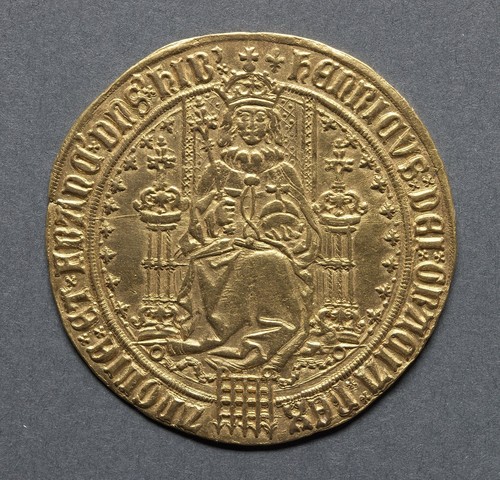
Henry VII Sovereign
The first English gold sovereign, struck under Henry VII, showing the crowned king enthroned in majesty on an elaborate Gothic throne.
Medieval Coins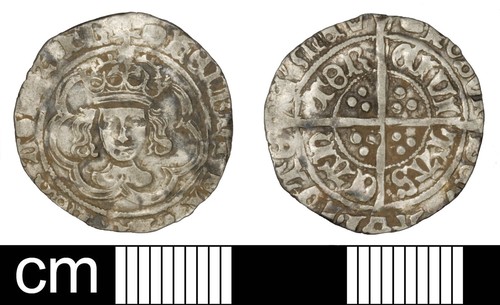
Medieval Halfgroat of Henry VII
Hammered silver twopence of England's first Tudor king, with a crowned royal portrait and a long-cross reverse over a shield.
British Isles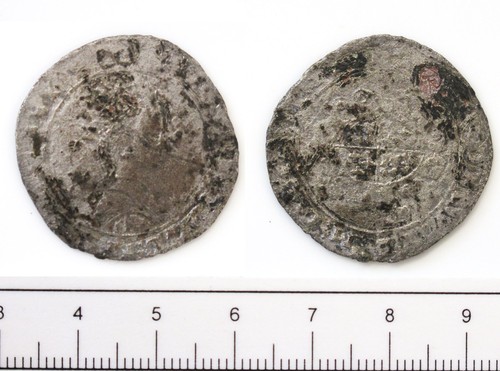
Shilling of Edward VI
A hammered Tudor silver shilling of Edward VI, showing the young king's crowned profile and a reverse cross over the quartered royal-arms shield.
World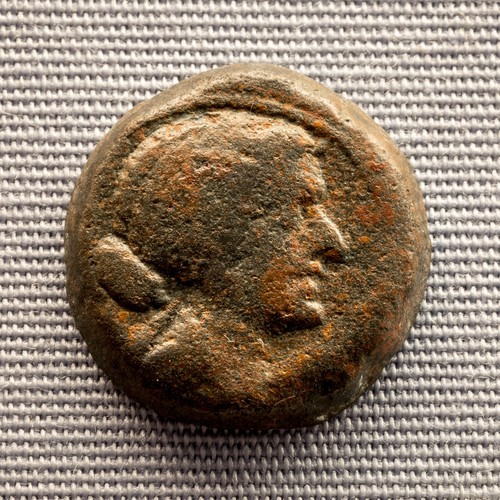
Bronze Coin of Cleopatra VII
Ptolemaic bronze coin of Cleopatra VII of Egypt, 51-30 BC, showing her draped diademed bust in profile as sole named female ruler of the dynasty.
Ancient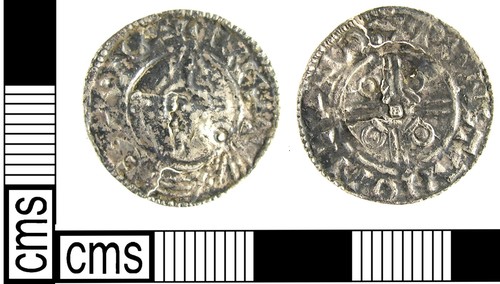
Penny of Cnut
Anglo-Saxon silver penny of King Cnut (Canute), showing a diademed bust facing left with a cross-and-pellets reverse, struck c.1024-1030.
Medieval Coins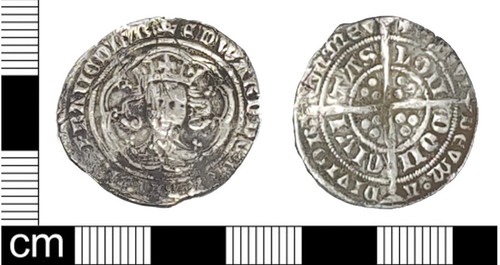
Edward IV Groat
A hammered silver fourpence of King Edward IV of England, struck 1461-1483, with a crowned facing bust on one side and a long cross with rosettes on the other.
Medieval Coins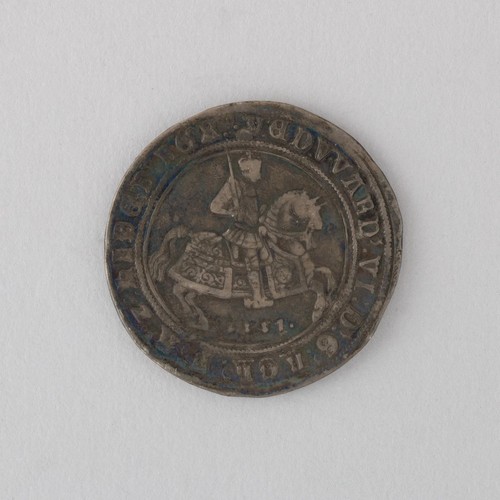
Edward VI Crown
Hammered English silver crown of Edward VI (1547-1553), the first English crown coin and among the earliest English coins to carry a date.
Hammered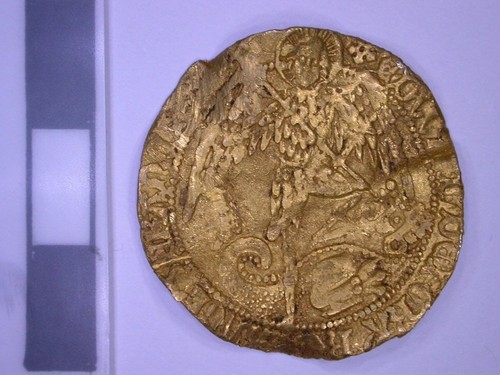
Edward V Angel
Gold angel struck in the brief 1483 reign of Edward V, showing Saint Michael the archangel spearing a demon, with a royal shield of arms on the reverse.
Medieval Coins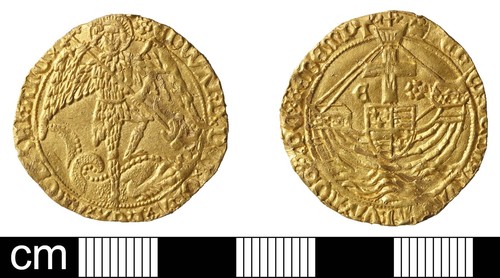
Edward IV Angel
Medieval English gold coin showing Saint Michael the Archangel slaying a dragon-demon, with a heraldic cross-and-shield reverse.
Medieval Coins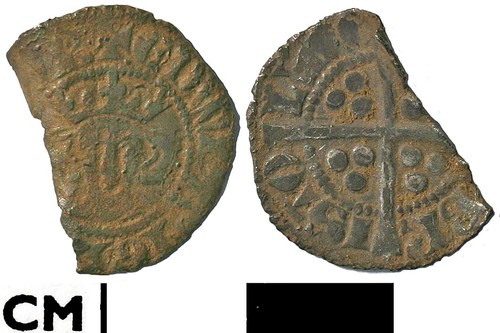
Edward I Groat
Rare early English silver fourpence of Edward I, showing his crowned facing-profile bust and a long-cross reverse with pellets in the quarters.
Medieval Coins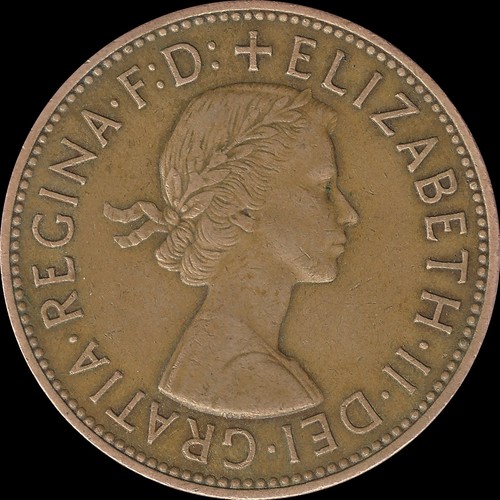
British Penny
Large bronze pre-decimal British penny showing King George VI in profile, struck for circulation in the 1930s through early 1950s.
World Coins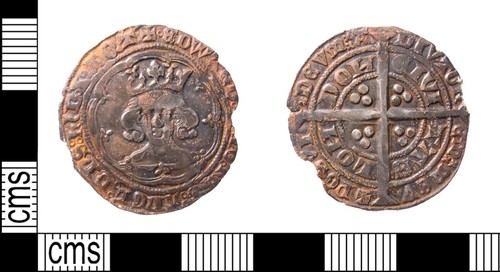
Edward III Groat
Hammered silver fourpence of King Edward III, showing a crowned bust of the king and a long cross with pellets in the quarters.
Medieval Coins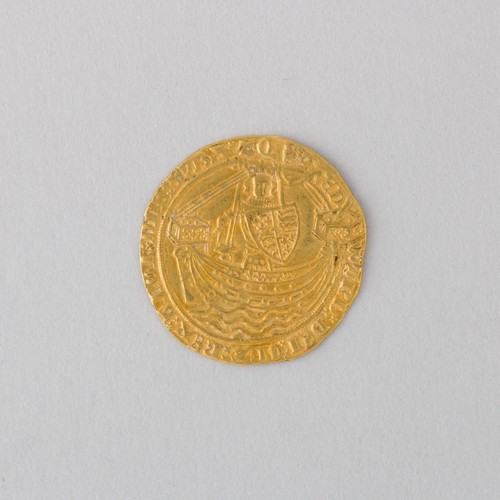
Edward III Noble
Large medieval English gold coin of King Edward III, showing the crowned king standing in a ship and an ornate floral cross on the reverse.
Medieval Coins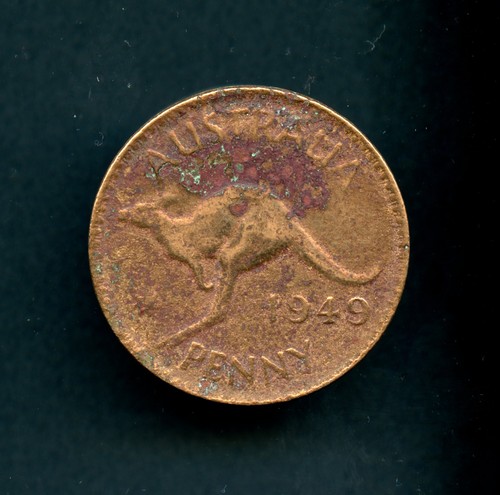
Australian Penny
Large bronze pre-decimal Australian penny with a leaping kangaroo, AUSTRALIA and PENNY on one side and a monarch's bust on the other.
World Coins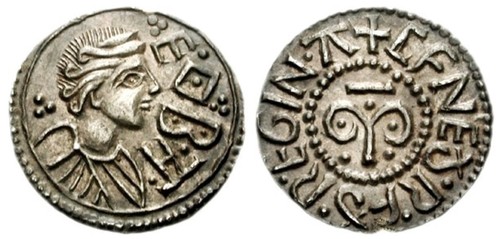
Penny of Cynethryth
Anglo-Saxon silver penny of Cynethryth, queen of Mercia and wife of Offa, and the only Anglo-Saxon queen named on her own coinage.
Medieval Coins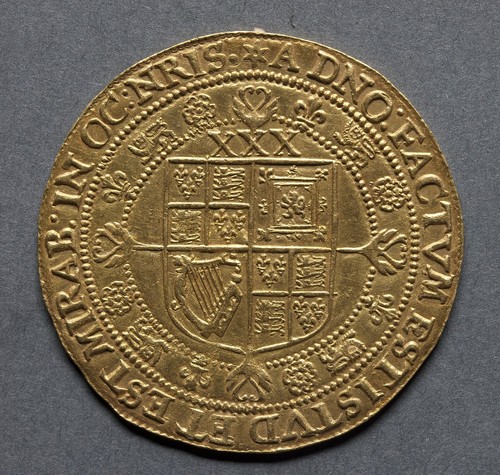
Edward IV Ryal
English medieval gold coin of Edward IV showing the king armored in a ship with a shield, and a radiant rose-on-sun design on the reverse.
Medieval Coins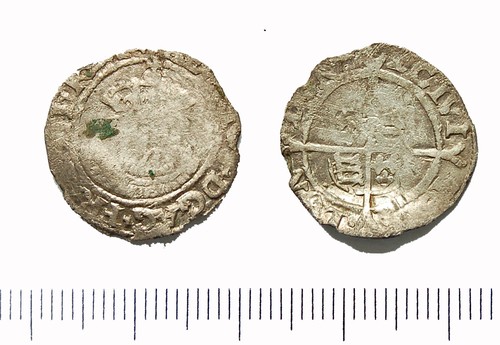
Edward VI Half Groat
Small hammered silver twopence of Edward VI (1547-1553), with a left-facing royal profile and a cross-and-shield reverse.
Hammered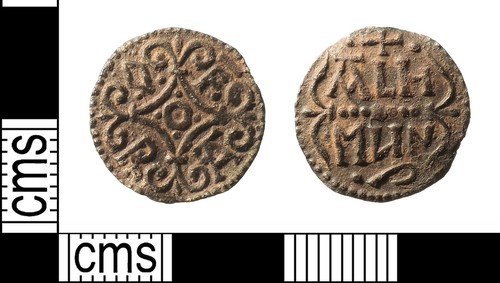
Penny of Offa
Thin silver penny of King Offa of Mercia, showing a portrait or name inscription and a cross with geometric ornament on the reverse.
Medieval Coins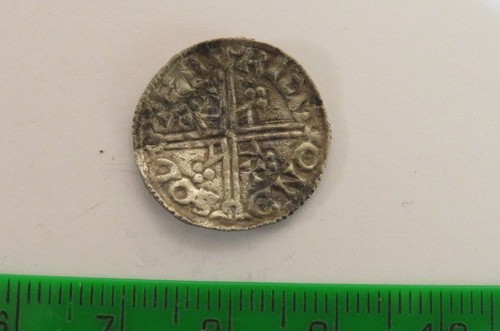
Medieval Penny
England's standard medieval coin: a small hammered silver penny with a crowned royal head on one side and a cross on the other, struck by hand across many reigns.
Medieval Coins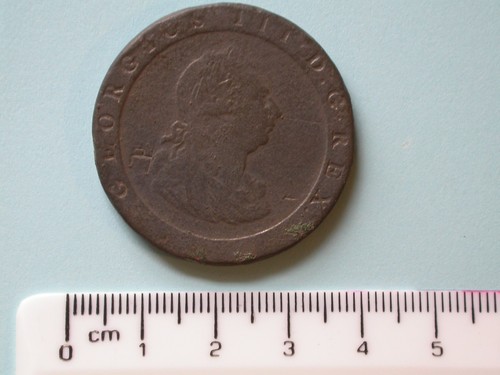
Cartwheel Penny
The heavy 1797 copper penny of George III, with a broad raised rim and sunken lettering, struck by steam power at Matthew Boulton's Soho Mint.
Milled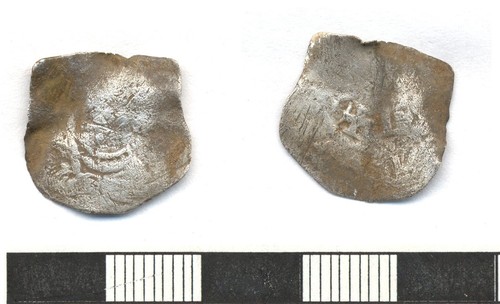
Tealby Penny
Silver penny of Henry II, the Tealby or Cross-and-Crosslets type, with a crowned royal bust and a voided cross bearing small crosslets in its angles.
Medieval Coins