
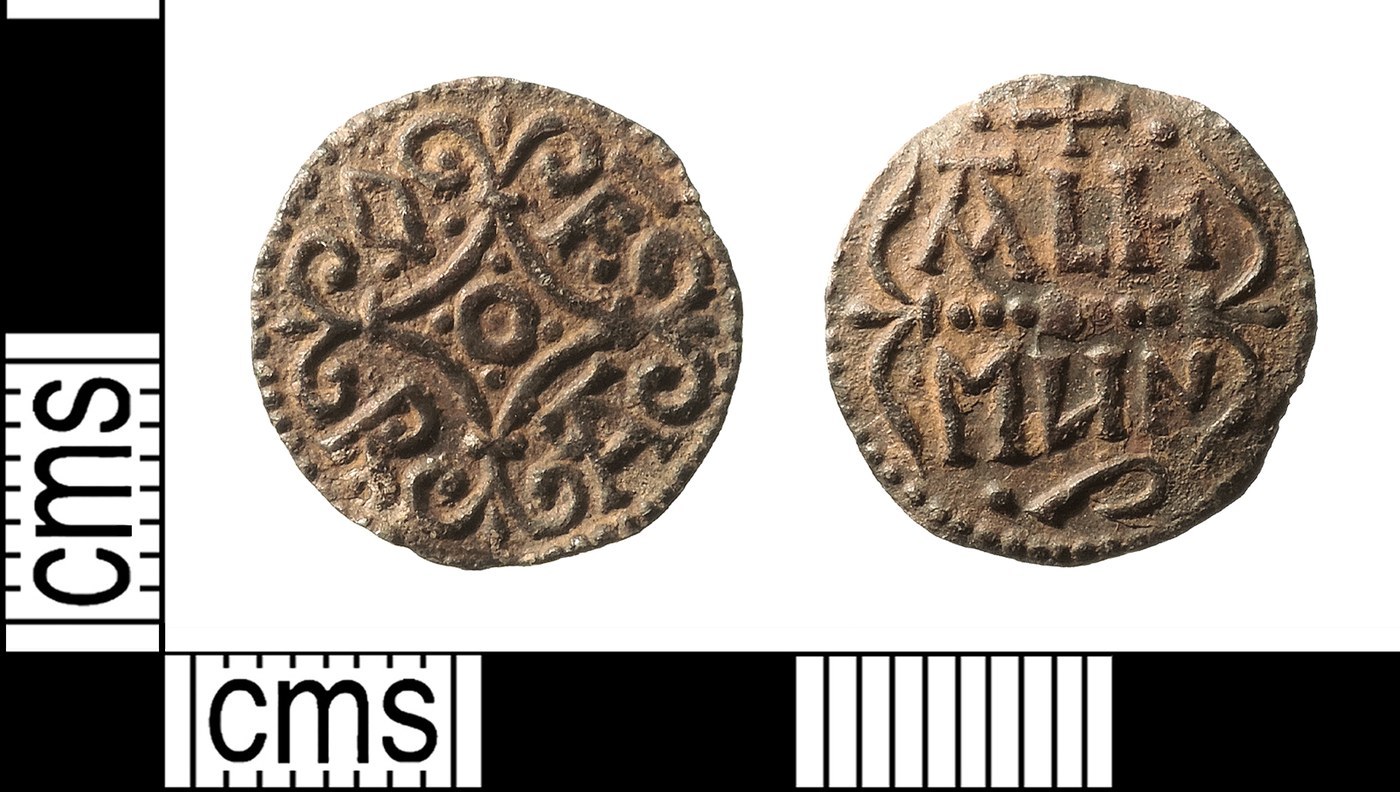
Penny of Offa
Thin silver penny of King Offa of Mercia, showing a portrait or name inscription and a cross with geometric ornament on the reverse.
- Country
- England
- Denomination
- Penny
- Metal
- Silver
Got a coin like this?
Identify any coin from a photo, free.
Overview
The Penny of Offa is a small, thin silver coin struck for Offa, king of Mercia, one of the most powerful Anglo-Saxon rulers of 8th-century England. The example shown carries a head with surrounding inscription on the obverse and a cross set within a geometric pattern on the reverse, a layout typical of these early pennies. The obverse legend names the king, usually as a form of "OFFA REX" (Offa the King).
These coins belong to the very beginning of England's silver-penny tradition, which would dominate English coinage for centuries. They are prized both as historical objects from the age of Charlemagne and Alcuin and as some of the most artistically ambitious coins of early medieval Europe. Many were struck by named moneyers whose signatures appear in the reverse inscriptions.
History & Background
Offa ruled Mercia from about 757 to 796 and at his height dominated much of southern England. During his reign the older, cruder sceattas were replaced by a new, broader and thinner silver penny, part of a wider reform that echoed the coinage reforms of the Frankish king Pepin the Short and his son Charlemagne on the Continent. The penny became the standard unit of English money and remained so long after Offa's death.
Offa's pennies are famous for their variety and craftsmanship. Different moneyers, working at mints in the south and east including Canterbury and London, produced portraits, monograms, and elaborate cross-and-ornament designs, and the coins of his queen Cynethryth are among the very few early medieval coins to name a woman. The inscriptions naming both the king and the individual moneyer make these coins valuable evidence for Anglo-Saxon administration and literacy.
How to Identify
Look for a small, thin, broad silver coin, roughly the size of an early medieval penny (commonly around 17-20 mm and only about a gram or so in weight), often slightly irregular or wavy rather than perfectly round. The obverse typically shows a stylized head in profile or a name arrangement, encircled by a Latin inscription that includes the king's name, such as OFFA or OFFA REX.
The reverse usually centers on a cross, which may be combined with pellets, wedges, lozenges, or other geometric ornament, and carries an inscription that most often gives the name of the moneyer who struck the coin. Lettering can be uneven and blundered, and the flan is hand-struck, so expect off-center strikes, uneven borders, and variation from coin to coin. Genuine surfaces show the soft grey toning and honest wear of high-purity early medieval silver.
Value & Collectibility
Pennies of Offa are genuinely scarce and historically important, so even worn, plainly styled examples are valued well above ordinary later medieval pennies, and finely executed portrait coins or rare types can reach very high figures at specialist auction. Value is driven above all by design, the artistry and clarity of the portrait, the completeness of the inscriptions, the moneyer and mint, condition, and provenance.
Because of their rarity and value these coins are frequently faked, and provenance and expert attribution matter enormously; a coin with a documented findspot or established collection history is worth more and is easier to sell. Treat any single figure as indicative only and rely on recent specialist auction results and expert opinion rather than a fixed price, as the range from modest to exceptional is very wide.
Frequently asked questions
Who was Offa?
Offa was king of Mercia in central England from about 757 to 796, one of the most powerful Anglo-Saxon rulers. He is also remembered for the great earthwork known as Offa's Dyke along the Welsh border.
What does the inscription say?
The obverse names the king, usually a form of OFFA or OFFA REX (Offa the King). The reverse most often gives the name of the moneyer who struck the coin, so the two sides together identify both ruler and maker.
Is the coin solid silver?
Yes. Offa's pennies were struck in relatively high-purity silver, though they are small and thin and typically weigh only around a gram. Genuine examples show soft grey toning rather than bright white metal.
How old is a Penny of Offa?
It dates to the 8th century, roughly 757 to 796, making it well over 1,200 years old and one of the earliest coins in the English silver-penny tradition.
Are these coins rare?
Yes. Compared with later medieval pennies they are scarce and highly sought after, especially fine portrait types. Rarity, artistry, and historical importance make them valuable and also frequently counterfeited.
Penny of Offa guides
In-depth guides for identifying, valuing, and collecting Penny of Offa.
Other coins you may enjoy
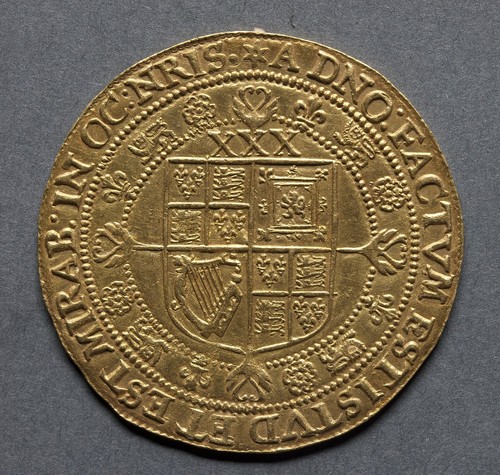
Edward IV Ryal
c. 1465-1470
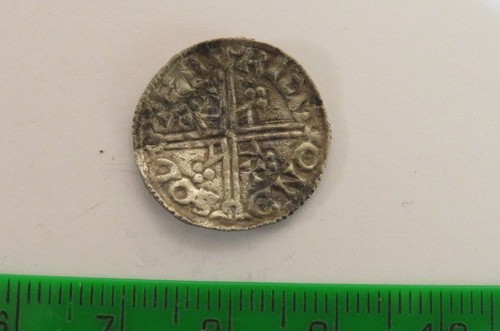
Medieval Penny
c. 8th-15th century
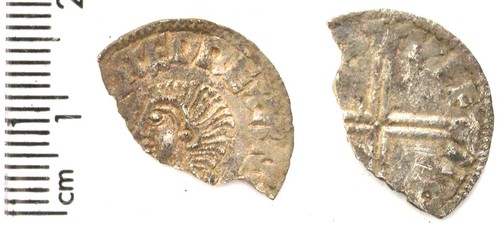
Penny of Aethelred II
978-1013
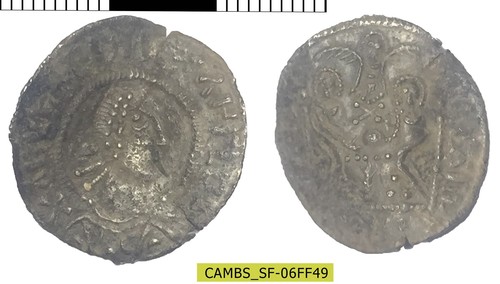
Penny of Alfred the Great
c. 871-899 (late 9th century)
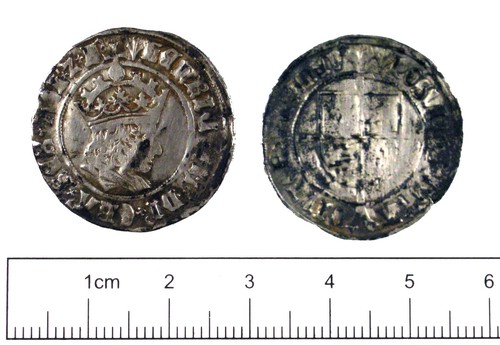
Henry VII Groat
1485-1509
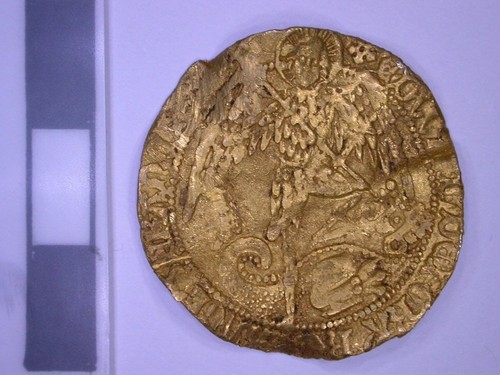
Edward V Angel
1483
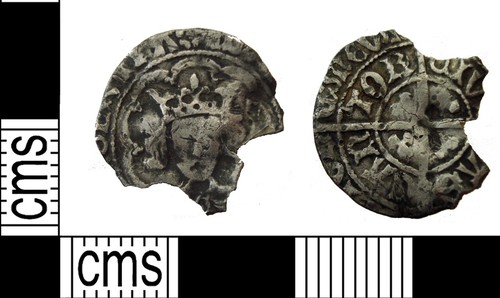
Edward IV Half Groat
1461-1483
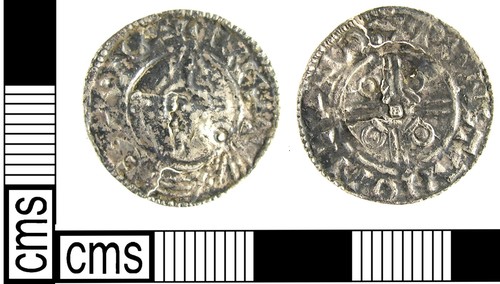
Penny of Cnut
1024-1030
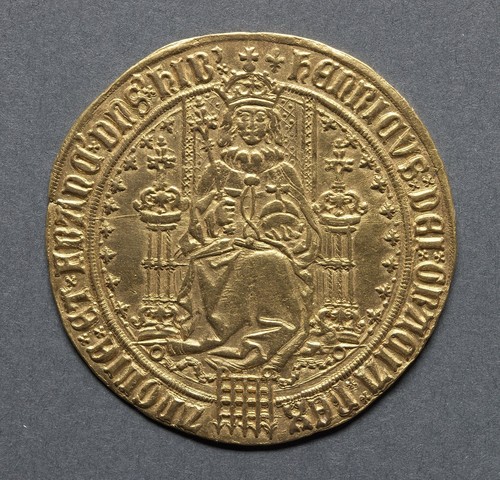
Henry VII Sovereign
1485-1509
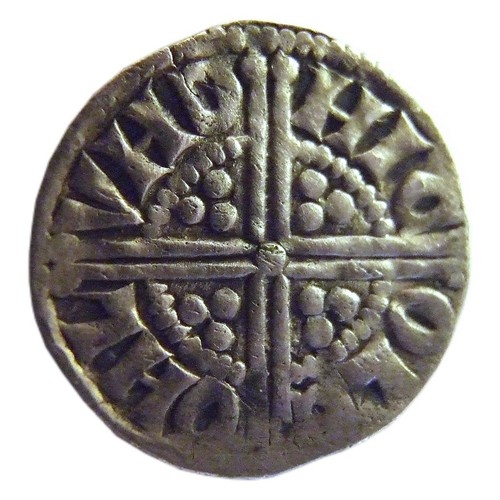
Long Cross Penny
1247-1279 (13th century)
Anglo-Saxon Styca
8th-9th century
Anglo-Saxon Sceatta
7th-8th century