
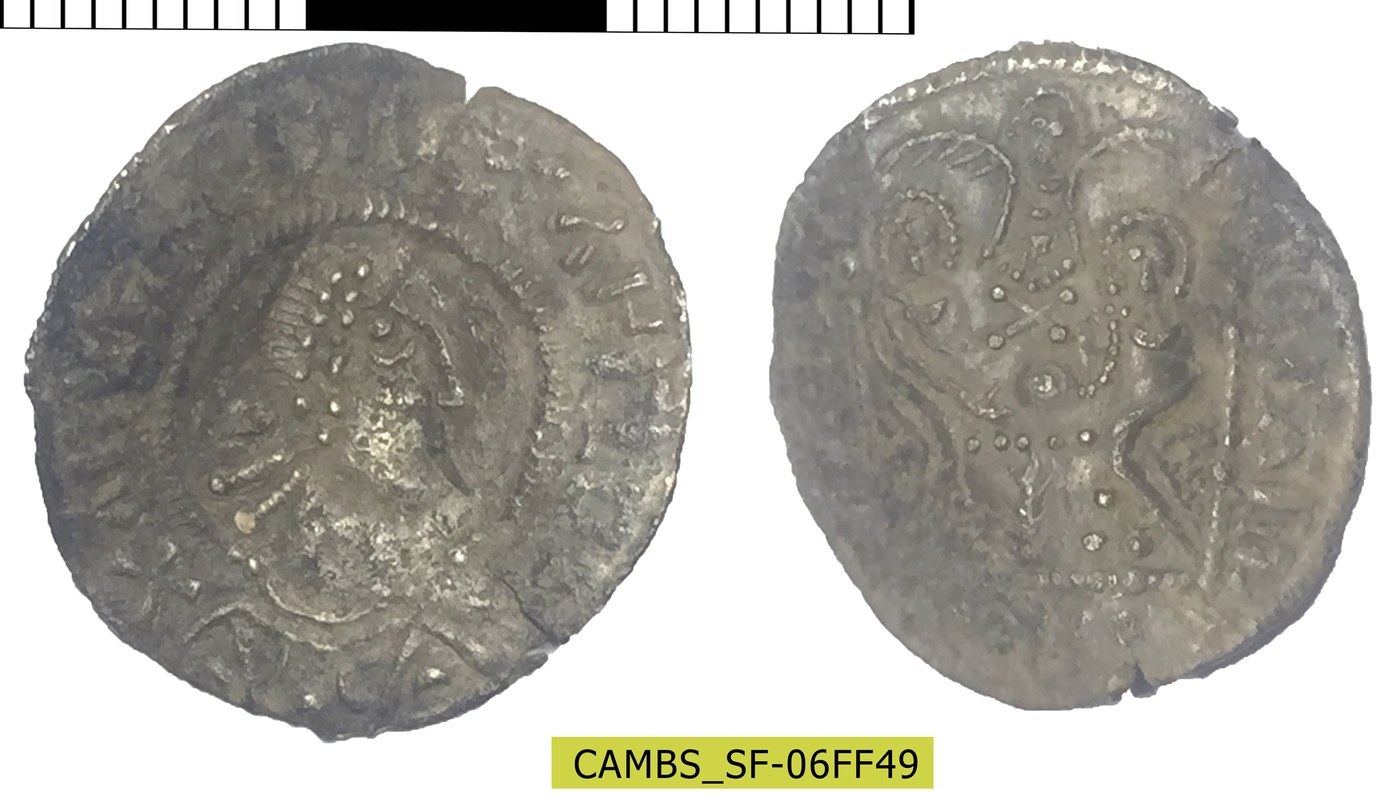
Penny of Alfred the Great
Hand-struck silver penny of Alfred the Great of Wessex, showing a right-facing royal bust and a cross-based reverse with a moneyer's inscription.
- Country
- England
- Denomination
- Penny
- Metal
- Silver
Got a coin like this?
Identify any coin from a photo, free.
Overview
The Penny of Alfred the Great is a small hammered silver coin struck for Alfred, King of Wessex, during the late 9th century. The example shown carries a diademed head facing right within a circle on the obverse and a cross with an encircling inscription on the reverse, a layout typical of the pennies issued in Alfred's name.
The penny was effectively the only denomination of Anglo-Saxon England in this period, so a coin like this was the everyday high-value currency of the West Saxon kingdom. Struck by hand from hand-cut dies, each piece is slightly irregular in shape and shows the individual character of its engraving, and surviving examples are prized both as artifacts of Alfred's reign and as early milestones of English coinage.
History & Background
Alfred ruled Wessex from about 871 to 899 and is remembered for his defense of southern England against Viking armies and for reforms in law, learning, and administration. His coinage spans this turbulent era, and over the reign the pennies show a range of designs, including portrait busts, cross and inscription reverses, monogram types naming towns such as London, and other non-portrait patterns.
Coins were produced not by the king directly but by moneyers working at various mints, and the moneyer's name commonly appears in the reverse inscription. The silver used in early Anglo-Saxon pennies could vary in fineness, and Alfred is associated with efforts to improve the weight and quality of the coinage. A portrait-and-cross penny like the one shown belongs to this broad tradition of West Saxon issues struck across the final decades of the 9th century.
How to Identify
Look for a small, thin, hand-struck silver coin, roughly the size of a modern small coin and often slightly oval or irregular in outline rather than perfectly round. The obverse of this example shows a stylized royal head facing right, enclosed within a beaded or linear circle, surrounded by a Latin legend that would name Alfred as king (typically an ELFRED / AELFRED form with a REX title).
The reverse shows a cross as its central device with an inscription running around or across the field; on many Alfred pennies this inscription records the moneyer's name and sometimes a mint. Because the dies were cut by hand and the coins struck one at a time, expect uneven lettering, off-center strikes, and legends that are partly off the flan. Genuine pieces are true silver with the soft, hand-hammered look of the period rather than the sharp uniform edges of machine-made coins.
Value & Collectibility
Coins of Alfred the Great are genuinely early and historically significant, and they are far scarcer than later medieval English pennies, so even well-worn examples carry a meaningful premium over ordinary hammered silver. Value depends heavily on the specific type, the mint and moneyer, the completeness of the legends, centering, and overall condition, with rarer designs and well-preserved portraits commanding much higher prices than common, worn, or fragmentary pieces.
Because Alfred's coinage is famous and valuable, it is also frequently faked and has been the subject of both old forgeries and modern reproductions. For that reason, provenance, expert attribution, and where appropriate third-party authentication have a large effect on realized price. Treat any single figure with caution and compare against recent auction results for the same type rather than relying on a generic estimate.
Frequently asked questions
Who was Alfred the Great?
Alfred was King of Wessex from about 871 to 899, known for resisting Viking invasions and for reforms in law and learning. His silver pennies were the main coinage of his kingdom.
What is the coin made of?
It is silver. Anglo-Saxon pennies of this era were struck from silver, though the fineness could vary, and Alfred is linked to efforts to improve the coinage.
Whose name is in the reverse inscription?
The reverse commonly names the moneyer who struck the coin, and sometimes the mint town. The king's name, Alfred, usually appears in the obverse legend around the head.
Why is the coin uneven or off-center?
It was hammered by hand from individually cut dies, one strike at a time. Irregular shapes, uneven lettering, and off-center legends are normal for genuine coins of this period.
Are these coins rare?
Yes. Coins of Alfred the Great are scarce and historically important, much rarer than later medieval pennies, and value varies widely by type, mint, moneyer, and condition.
Penny of Alfred the Great guides
In-depth guides for identifying, valuing, and collecting Penny of Alfred the Great.
Other coins you may enjoy
Edward IV Ryal
c. 1465-1470
Penny of Offa
c. 757-796 (8th century)
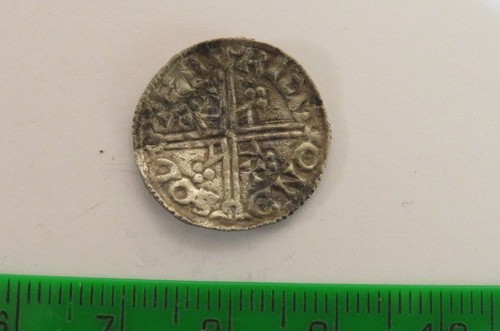
Medieval Penny
c. 8th-15th century
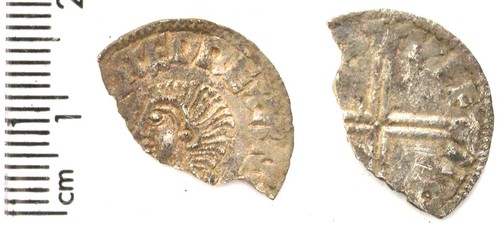
Penny of Aethelred II
978-1013
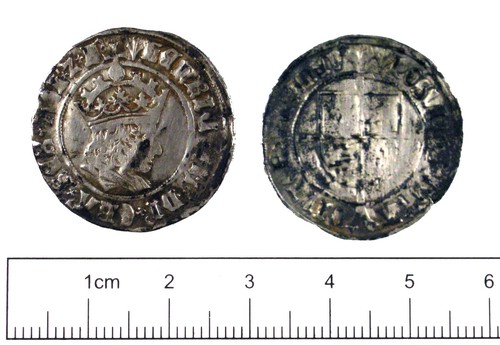
Henry VII Groat
1485-1509
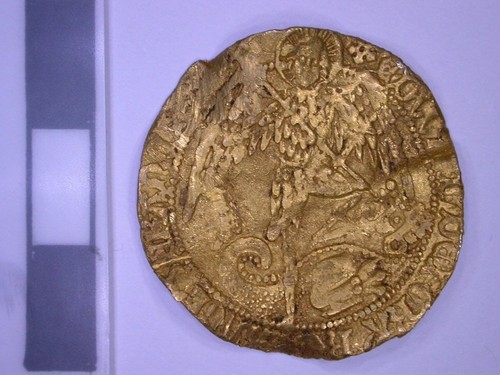
Edward V Angel
1483
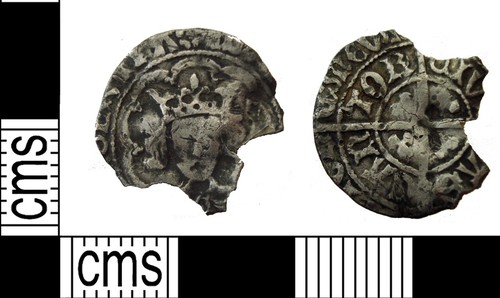
Edward IV Half Groat
1461-1483
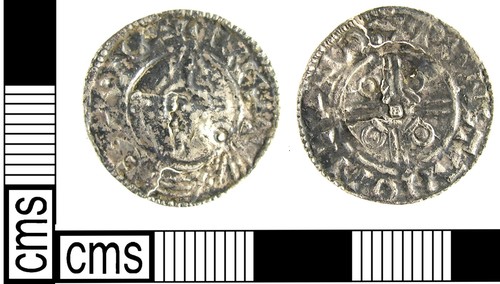
Penny of Cnut
1024-1030
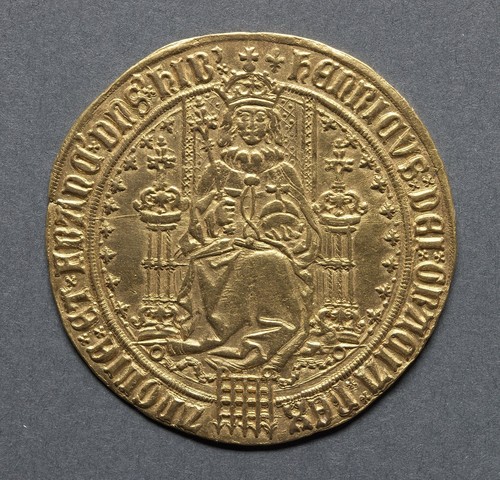
Henry VII Sovereign
1485-1509
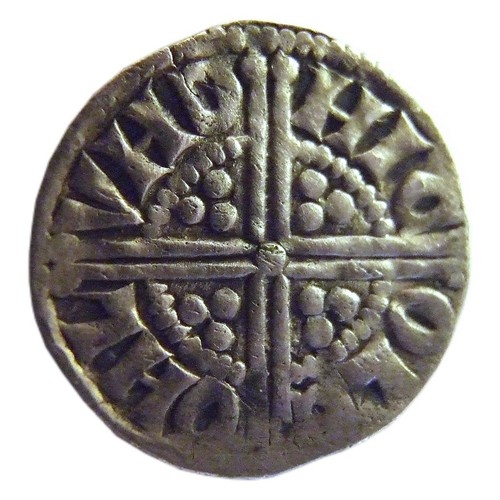
Long Cross Penny
1247-1279 (13th century)
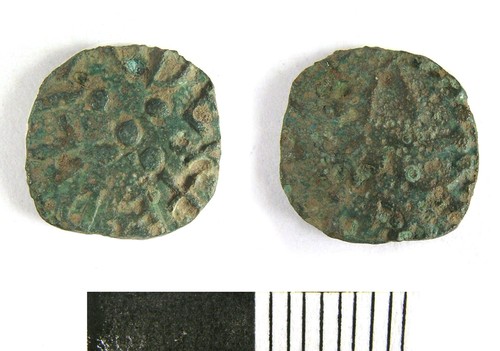
Anglo-Saxon Styca
8th-9th century
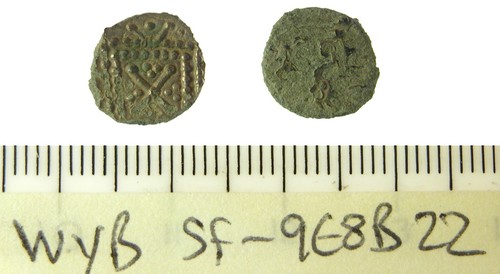
Anglo-Saxon Sceatta
7th-8th century