
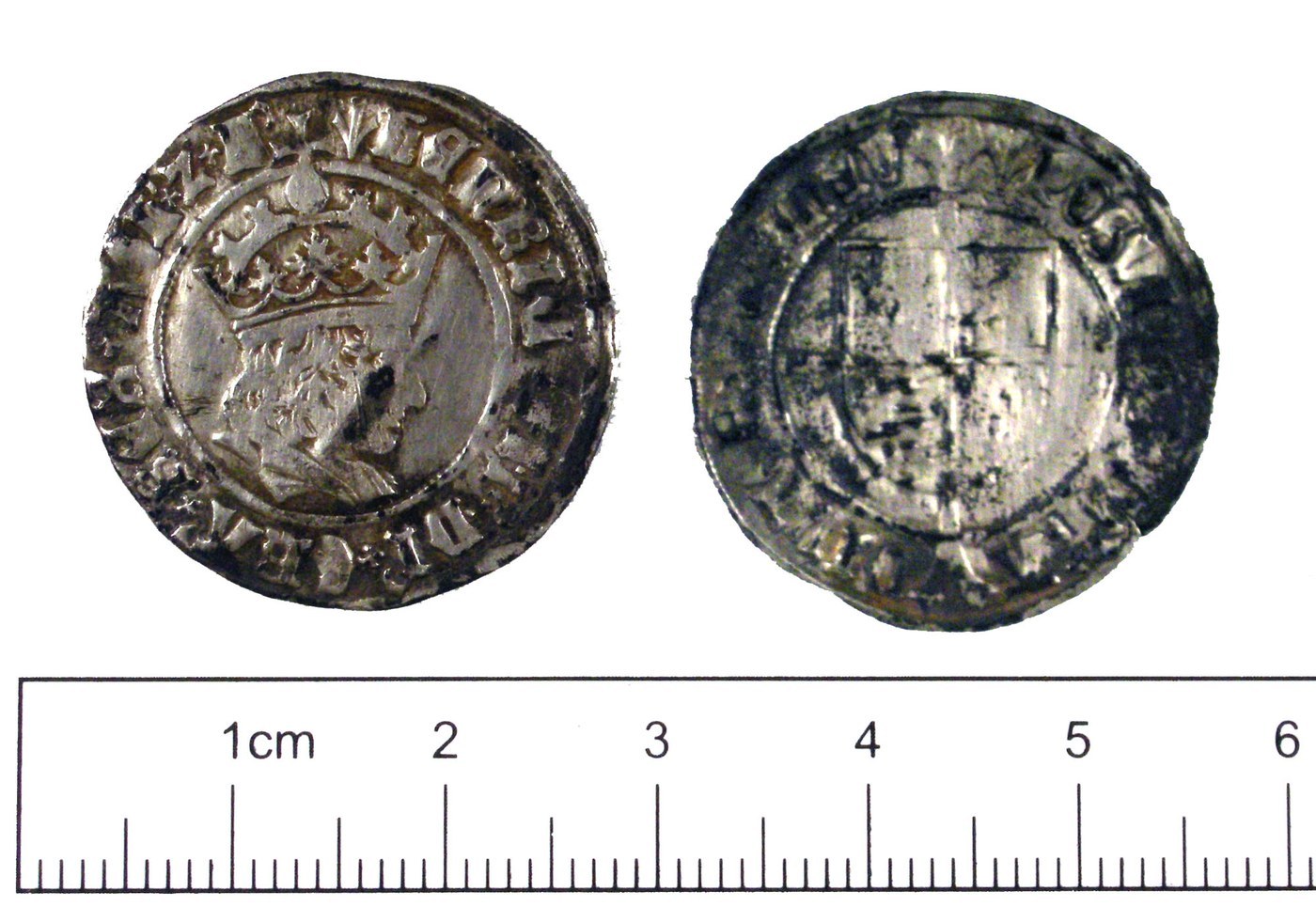
Henry VII Groat
Hammered silver fourpence of Henry VII, first Tudor king, showing a crowned royal portrait on one side and a shield of the English arms on the other.
- Country
- England
- Denomination
- Groat
- Metal
- Silver
Got a coin like this?
Identify any coin from a photo, free.
Overview
The Henry VII groat is a hammered silver coin worth fourpence, struck during the reign of England's first Tudor king (1485-1509). The example shown here pairs a crowned portrait of Henry VII in profile facing left with a reverse displaying a shield bearing the English royal coat of arms, both surrounded by Latin inscriptions running around the border.
The groat was one of the larger everyday silver denominations of the late medieval English coinage, and Henry VII's issues are historically important for introducing a more lifelike, realistic royal portrait to English coins. Collectors value the type both as a tangible object from the founding years of the Tudor dynasty and as an early step toward the recognizable Renaissance-style portraiture that would define later English money.
History & Background
Henry VII came to the throne in 1485 after defeating Richard III at the Battle of Bosworth, ending the Wars of the Roses and beginning the Tudor dynasty. His coinage continued the medieval English tradition of hammered silver groats, half-groats, pennies, and smaller pieces, struck largely at the Tower of London mint alongside ecclesiastical mints such as Canterbury and York.
A landmark development of the reign was the shift from the long-standing full-face crowned bust to a more naturalistic profile portrait on the groat, an innovation associated with skilled engravers working in a Renaissance style and generally placed late in the reign, around 1504 onward. The shield-of-arms reverse seen on this example belongs to that later, portrait-style coinage, replacing the older long-cross reverse and giving the coin a look that anticipates the profile portraits of Henry VIII and his successors.
How to Identify
Look for a broad, thin hammered silver coin of groat (fourpence) size, larger than a penny or half-groat but hand-struck and therefore slightly irregular in shape. The obverse of this example carries a crowned portrait of Henry VII in profile facing left, encircled by a Latin legend naming the king; the reverse shows a shield bearing the quartered English royal arms, again ringed by an inscription and typically set over or within a cross.
A realistic profile bust combined with a shield-of-arms reverse points to the later portrait groats of the reign rather than the earlier facing-bust style. Because the coins were struck by hand, expect uneven flans, off-center strikes, and legends that are only partly legible. Small symbols known as mint marks appear in the legends and are used by specialists to attribute a coin to a particular mint and phase of the reign.
Value & Collectibility
Henry VII groats are collectable and moderately available, as the groat was a substantial and widely produced denomination, but they sit clearly above common medieval pennies in value as a larger silver coin from a historically significant reign. Ordinary examples with honest wear, a recognizable portrait, and readable portions of legend are attainable mid-range medieval coins, while sharply struck, well-centered pieces with a clear crown, portrait, and shield command higher premiums.
Condition, completeness of the legends, the specific portrait style, mint, and mint mark all influence price, and the more sought-after profile portrait issues can carry a premium over plainer types. Because individual coins vary so much, treat any figure as approximate and compare against recent sales of similar examples or consult specialist references and dealers before assigning a value.
Frequently asked questions
What is a Henry VII groat worth in old money?
A groat was worth fourpence, or four silver pennies. It was one of the larger everyday silver denominations of late medieval England and circulated as ordinary spending money.
Why is the portrait on some Henry VII groats so lifelike?
Later in the reign the older stylized facing bust was replaced by a more realistic profile portrait in Renaissance style. This example shows that naturalistic profile portrait of the king.
Is the coin solid silver?
Yes, groats of Henry VII were struck in hammered silver of relatively high fineness for the period. There is no gold or other precious metal in the type.
What is on the reverse of this groat?
The reverse shows a shield bearing the quartered English royal coat of arms, surrounded by a Latin inscription. This shield reverse belongs to the later portrait coinage of the reign.
Where were Henry VII groats made?
Most were struck at the Tower of London mint, with some silver also produced at ecclesiastical mints such as Canterbury and York. Tiny mint marks in the legends help identify where and when a coin was struck.
Henry VII Groat guides
In-depth guides for identifying, valuing, and collecting Henry VII Groat.
Other coins you may enjoy
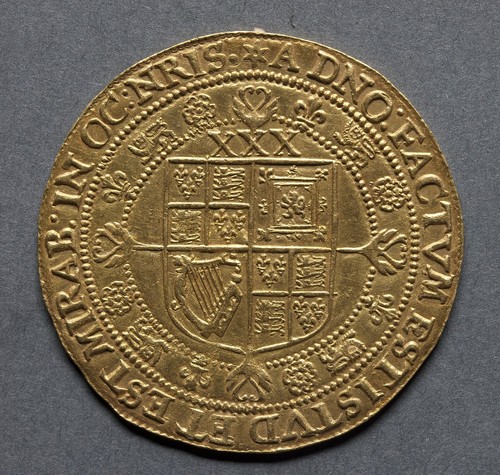
Edward IV Ryal
c. 1465-1470
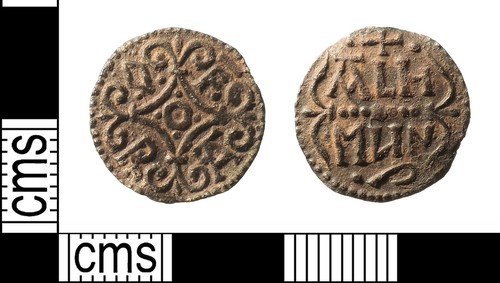
Penny of Offa
c. 757-796 (8th century)
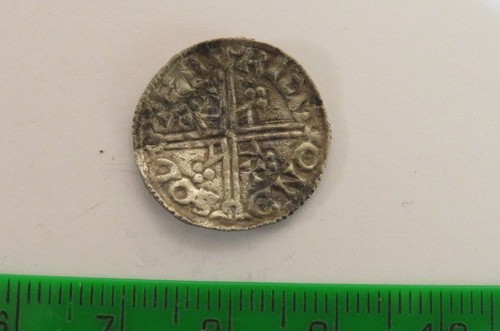
Medieval Penny
c. 8th-15th century
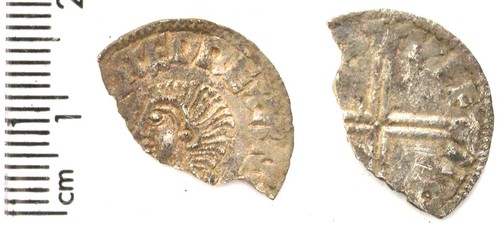
Penny of Aethelred II
978-1013
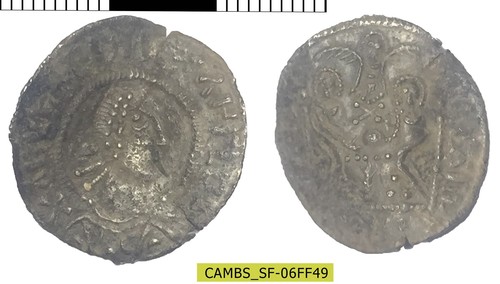
Penny of Alfred the Great
c. 871-899 (late 9th century)
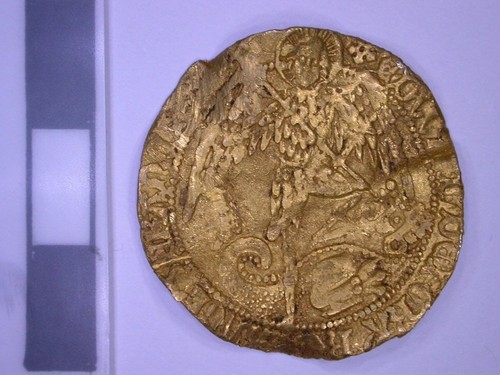
Edward V Angel
1483
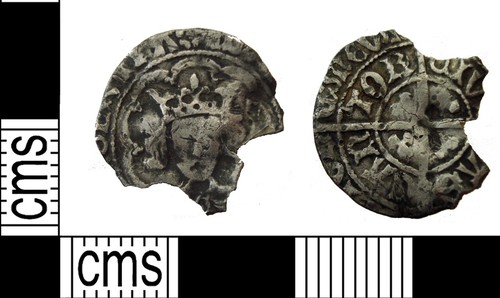
Edward IV Half Groat
1461-1483
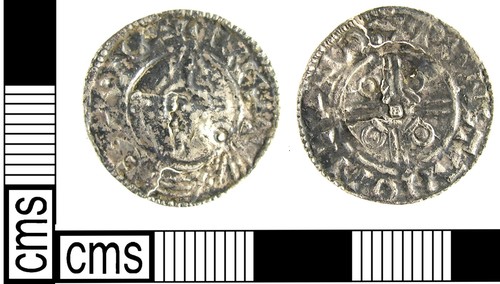
Penny of Cnut
1024-1030
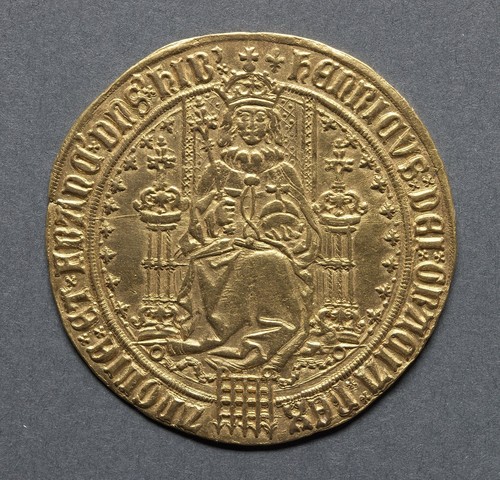
Henry VII Sovereign
1485-1509
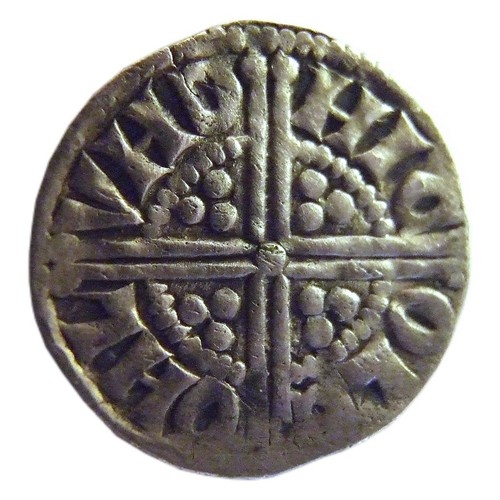
Long Cross Penny
1247-1279 (13th century)
Anglo-Saxon Styca
8th-9th century
Anglo-Saxon Sceatta
7th-8th century