
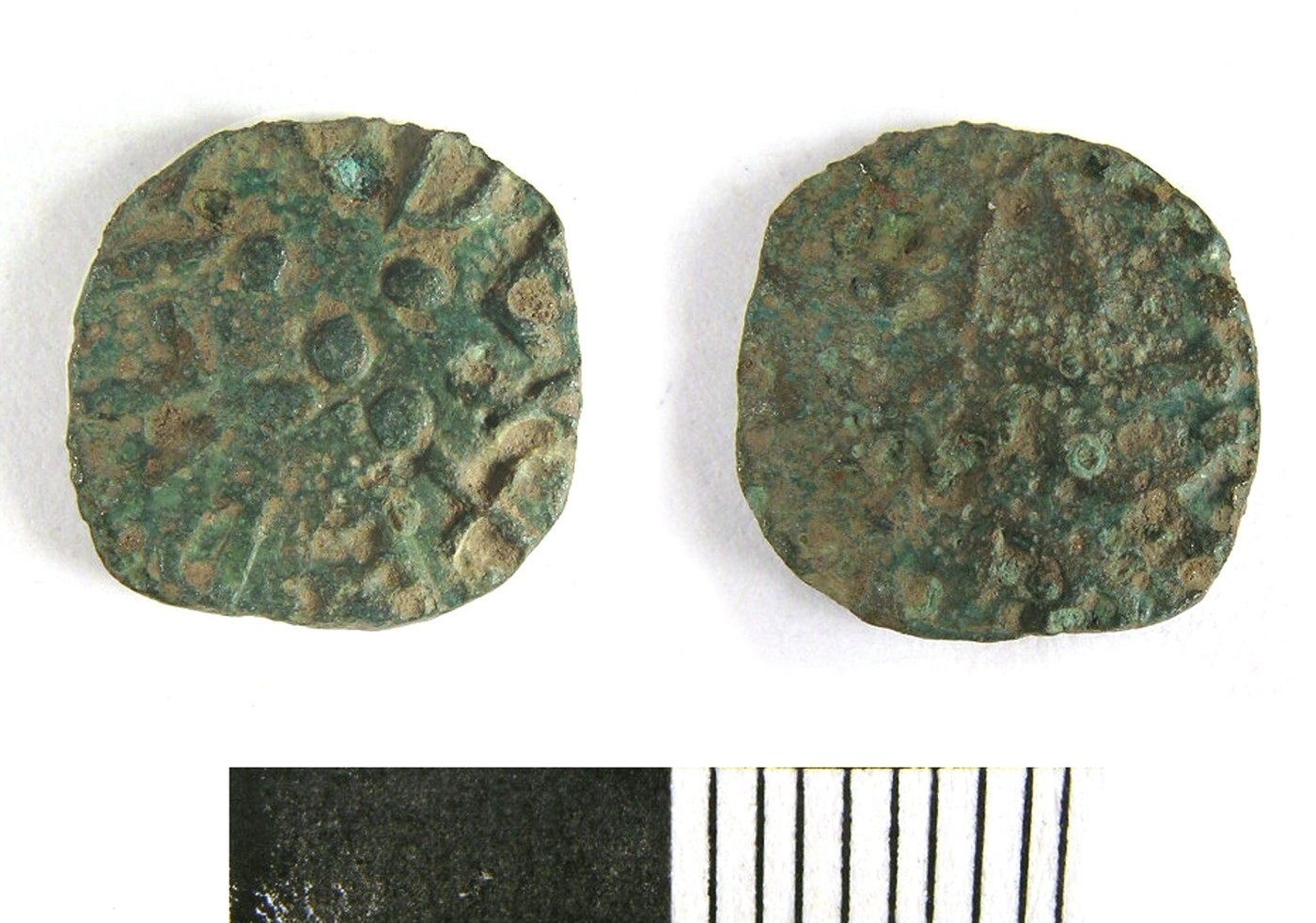
Anglo-Saxon Styca
A tiny base-metal coin of the Anglo-Saxon kingdom of Northumbria, struck in the 8th-9th century with a head and inscription on one side and a cross on the other.
- Country
- England
- Denomination
- Styca
- Metal
- Bronze
Got a coin like this?
Identify any coin from a photo, free.
Overview
The Anglo-Saxon Styca is a very small, thick base-metal coin of the northern English kingdom of Northumbria, struck during the late 8th and 9th centuries. The example shown carries a head facing right surrounded by an inscription on the obverse and a cross set within a geometric, pelleted pattern on the reverse. The metal is a copper-based alloy rather than silver, which sets the styca apart from the silver pennies of the rest of Anglo-Saxon England.
Stycas are among the most commonly found early medieval coins from Britain because they were struck in enormous numbers and turn up in large hoards, especially around York. They are small enough to sit comfortably on a fingertip, and their surfaces are usually dark brown or greenish from age. The inscriptions typically name a ruler or an issuing authority on one side and a moneyer, the person responsible for striking, on the other.
History & Background
The styca was the everyday small change of the kingdom of Northumbria, which covered much of northern England and southeastern Scotland. It grew out of the earlier silver coinage of the region, and as the silver content of those coins fell over the course of the late 8th and early 9th centuries the styca became effectively a copper-alloy coin. This debasement is why surviving stycas are base metal, often with only a trace of silver.
Stycas were issued in the names of Northumbrian kings and, at times, the archbishops of York, with the striking concentrated at York, the kingdom's principal center. Production reached its peak in the first half of the 9th century, when huge quantities were made by many named moneyers. The series came to an end around the middle of the 9th century amid political upheaval, and Northumbrian coinage was swept away when Viking forces captured York in 867 and imposed a new monetary order on the region.
How to Identify
Look for a very small, fairly thick copper-alloy coin, roughly 12-14 mm across and typically around 1 gram or a little more, with a dark brown, green, or reddish patina. On the coin shown, one face bears a head facing right encircled by an inscription; on many stycas the central device is instead a small cross, pellet, or ornament, with the legend running around the edge. The letters are Latin-based Anglo-Saxon forms and often name a king or archbishop.
The other face carries a cross combined with geometric elements such as pellets, rings, or radiating arms, surrounded by a second inscription that usually gives a moneyer's name. Because the coins are small and were struck by hand, the legends are frequently crowded, blundered, or only partly legible, and the flan is often slightly irregular. Wear and corrosion commonly obscure fine detail, so identification often depends on reading whatever letters survive around the central design.
Value & Collectibility
Stycas are one of the more affordable Anglo-Saxon coin types because they survive in very large numbers, many from big hoards. Ordinary worn or corroded examples with partly legible legends sit at the low end of the market, while coins with clear inscriptions, a readable ruler and moneyer name, and an attractive even patina are worth more.
Rarity of the particular king, archbishop, or moneyer named, along with sharpness of the design and freedom from heavy corrosion, drives most of the difference in value. Genuine mint-state pieces are unusual, and unusual or historically significant issues command premiums, but as a class the styca remains an accessible entry point into collecting genuine Anglo-Saxon coinage.
Frequently asked questions
What is a styca made of?
A styca is a base-metal coin, essentially a copper alloy sometimes called bronze or brass, often with only a trace of silver. This distinguishes it from the silver pennies used elsewhere in Anglo-Saxon England.
Where were stycas made?
They were the coinage of the kingdom of Northumbria in northern England, with striking concentrated at York during the late 8th and 9th centuries.
How big is a styca?
It is very small and fairly thick, usually around 12 to 14 mm across and roughly a gram in weight, small enough to rest on a fingertip.
What do the inscriptions say?
One side generally names an issuing authority such as a Northumbrian king or an archbishop of York, and the other names the moneyer who struck the coin. The legends are often crowded or partly blundered.
Are stycas rare or valuable?
As a type they are common and affordable because they survive in large numbers. Value depends on legibility, the specific ruler and moneyer named, and the condition and patina of the individual coin.
Anglo-Saxon Styca guides
In-depth guides for identifying, valuing, and collecting Anglo-Saxon Styca.
Other coins you may enjoy
Edward IV Ryal
c. 1465-1470
Penny of Offa
c. 757-796 (8th century)
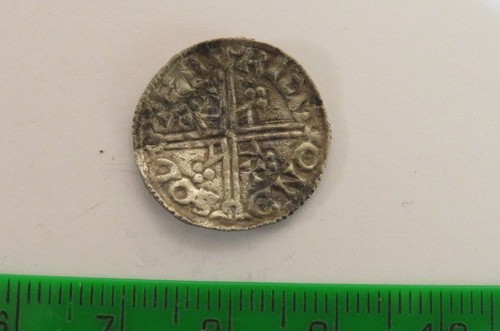
Medieval Penny
c. 8th-15th century
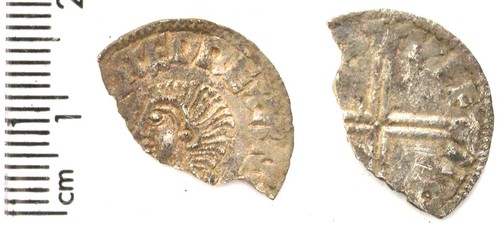
Penny of Aethelred II
978-1013
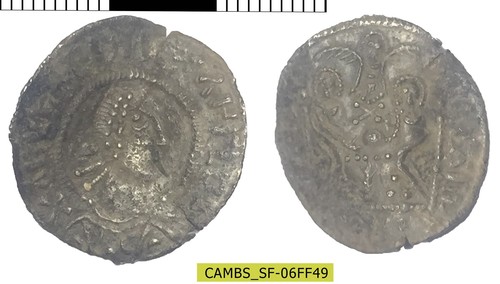
Penny of Alfred the Great
c. 871-899 (late 9th century)
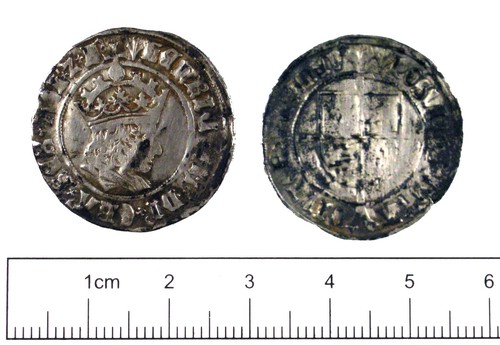
Henry VII Groat
1485-1509
Edward V Angel
1483
Edward IV Half Groat
1461-1483
Penny of Cnut
1024-1030
Henry VII Sovereign
1485-1509
Long Cross Penny
1247-1279 (13th century)
Anglo-Saxon Sceatta
7th-8th century