
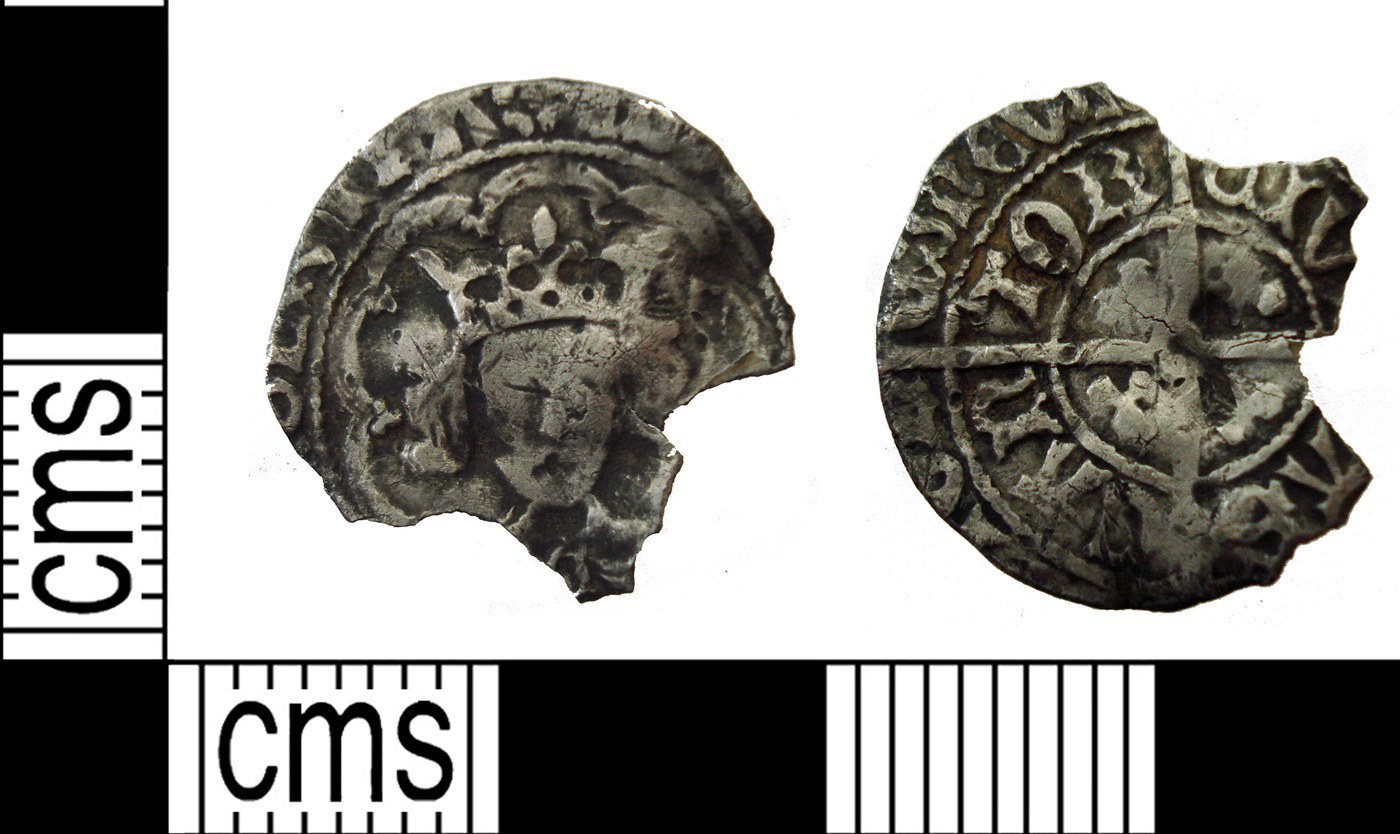
Edward IV Half Groat
Hammered silver half groat (twopence) of Edward IV, with a crowned royal bust and a long-cross reverse, struck at English mints between 1461 and 1483.
- Country
- England
- Denomination
- Half Groat
- Metal
- Silver
Got a coin like this?
Identify any coin from a photo, free.
Overview
The Edward IV Half Groat shown here is a hammered silver coin of the English king Edward IV, worth twopence, or half of a groat (fourpence). The obverse carries a crowned bust of the king within a tressure of arcs, and the reverse shows a long cross reaching to the edge of the coin with three pellets in each quarter, surrounded by a Latin legend. It was struck by hand from engraved dies, so the flan is thin and often slightly irregular.
Half groats were a mid-range everyday denomination in later medieval England, sitting above the penny and below the groat. Coins of this type were produced throughout Edward IV's two periods of rule, at several royal and ecclesiastical mints, and they circulated widely as ordinary money. Because each was hand-struck, individual coins vary in centering, sharpness, and how much of the legend is visible.
History & Background
Edward IV took the throne in 1461 after deposing Henry VI during the Wars of the Roses, ruled until he was briefly driven out in 1470, and then reigned again from 1471 until his death in 1483. His coinage spans these periods and is usually divided by collectors into an early "heavy" coinage and a later "light" coinage, after the standard weight of the silver was reduced in the mid-1460s to reflect the rising value of bullion. The half groat, as a fraction of the groat, followed the same weight changes.
The denomination continued the long English tradition of a crowned royal portrait on the obverse and a long cross with pellets on the reverse, a design lineage running back to the earlier medieval pennies and groats. Half groats were struck at London and Canterbury as well as at ecclesiastical mints such as York and Durham, whose coins can carry additional marks tied to the archbishop or bishop. The reverse legend typically names the mint town, while the obverse names the king, tying each coin to a specific place of striking.
How to Identify
Look for a small, thin hammered silver coin larger than a penny but smaller than a groat, roughly 19-21 mm across and only about a gram and a half in weight. The obverse shows a crowned facing bust of the king set within a decorative border of arcs (a tressure), with a Latin legend running around the edge naming Edward as king. The strike is often uneven, and portions of the portrait or legend may be weak or off the flan.
The reverse is the clearest diagnostic: a long cross whose arms reach the edge of the coin, dividing the legends, with a group of three pellets in each of the four quarters. An inner Latin legend and an outer legend naming the mint town (for example a form of CIVITAS with a city name) circle the cross. A small symbol at the start of the legend, known as an initial or mint mark, helps specialists place the coin within Edward IV's reign.
Value & Collectibility
Edward IV half groats are relatively available as a type, so condition, strike quality, legibility of the legends, and the specific mint drive value far more than raw scarcity. Worn, off-center, or weakly struck coins with unclear legends sit at the affordable end, while sharp, well-centered examples with a clear portrait and a readable mint name command higher prices.
Coins that can be firmly attributed to a particular mint or issue, or that show unusual initial marks, tend to attract more interest than anonymous or illegible pieces. As with all hammered medieval silver, values span a wide range and depend on the individual coin, so treat any single figure as approximate and compare recent auction and dealer sales for coins of similar mint, strike, and condition.
Frequently asked questions
What is a half groat worth in old money?
A half groat was worth twopence, that is, half of a groat, which was fourpence. It sat between the silver penny and the groat in the everyday coinage of medieval England.
Who is on the coin?
The crowned bust is King Edward IV of England, who reigned from 1461 to 1470 and again from 1471 to 1483. His name appears in the Latin legend around the obverse portrait.
Is it real silver?
Yes. It is a hand-struck (hammered) silver coin, thin and small at roughly 19-21 mm across and about a gram and a half in weight, typical of later medieval English half groats.
Where was it made?
Edward IV half groats were struck at several mints, including London and Canterbury and the ecclesiastical mints at York and Durham. The reverse legend usually names the mint town where the coin was made.
Why is the striking uneven?
The coin was struck by hand from individually engraved dies onto a small silver flan, so off-center strikes, ragged edges, and partial or weak legends are common and normal for the type.
Edward IV Half Groat guides
In-depth guides for identifying, valuing, and collecting Edward IV Half Groat.
Other coins you may enjoy
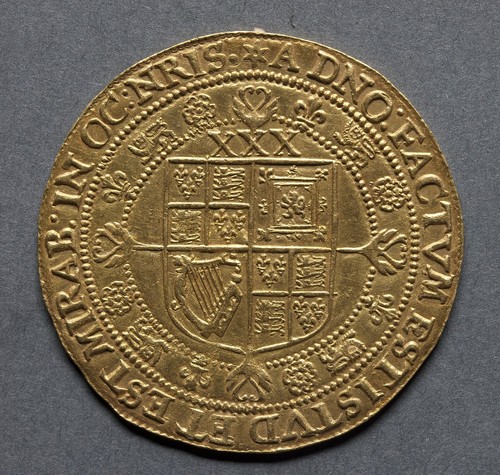
Edward IV Ryal
c. 1465-1470
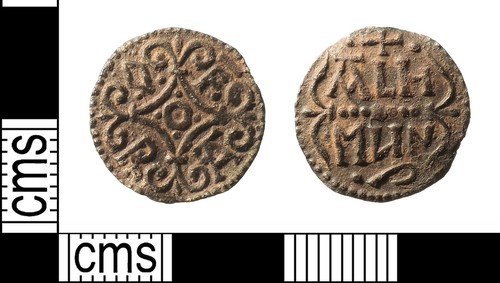
Penny of Offa
c. 757-796 (8th century)
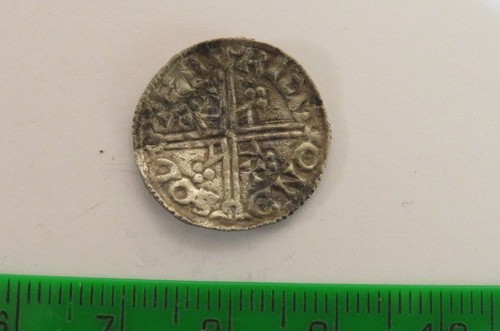
Medieval Penny
c. 8th-15th century
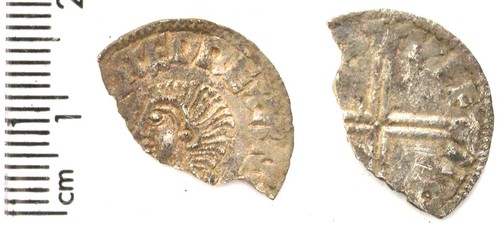
Penny of Aethelred II
978-1013
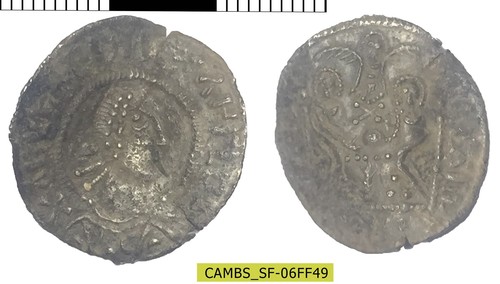
Penny of Alfred the Great
c. 871-899 (late 9th century)
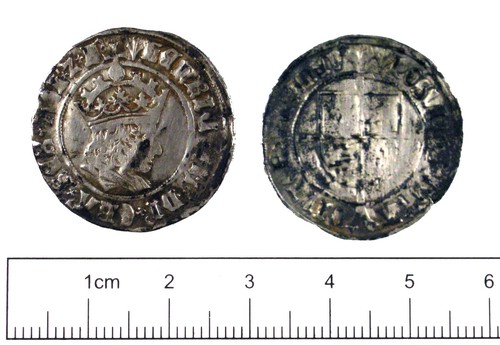
Henry VII Groat
1485-1509
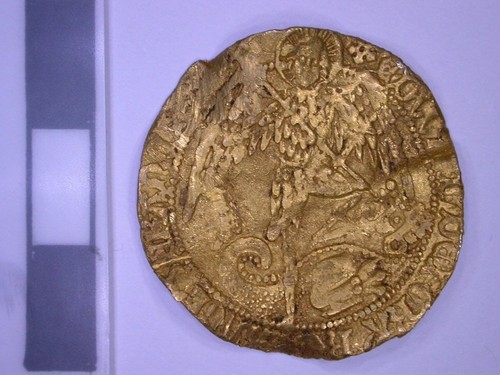
Edward V Angel
1483
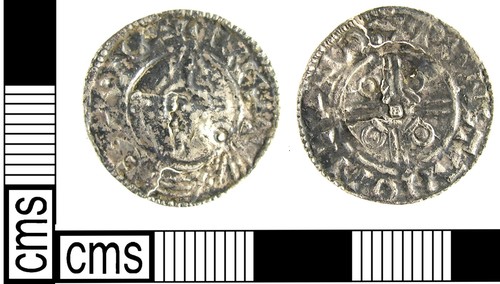
Penny of Cnut
1024-1030
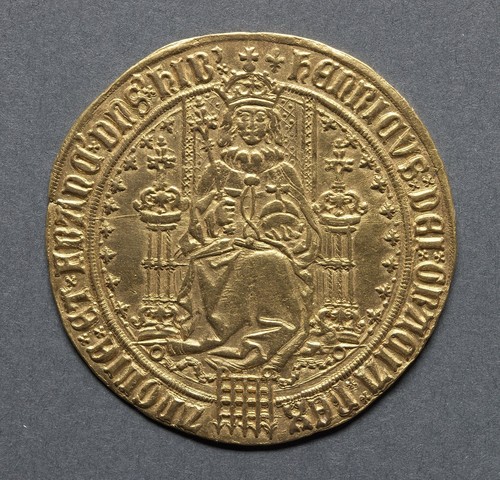
Henry VII Sovereign
1485-1509
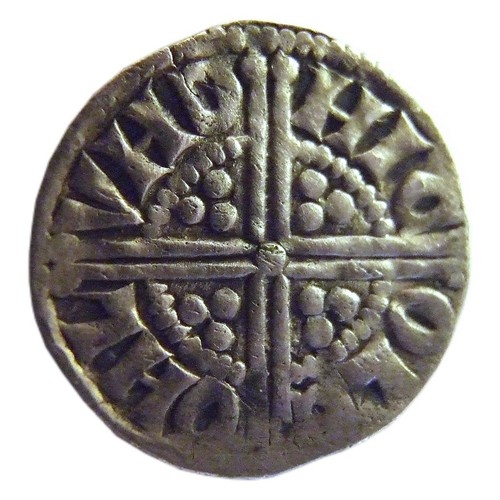
Long Cross Penny
1247-1279 (13th century)
Anglo-Saxon Styca
8th-9th century
Anglo-Saxon Sceatta
7th-8th century