
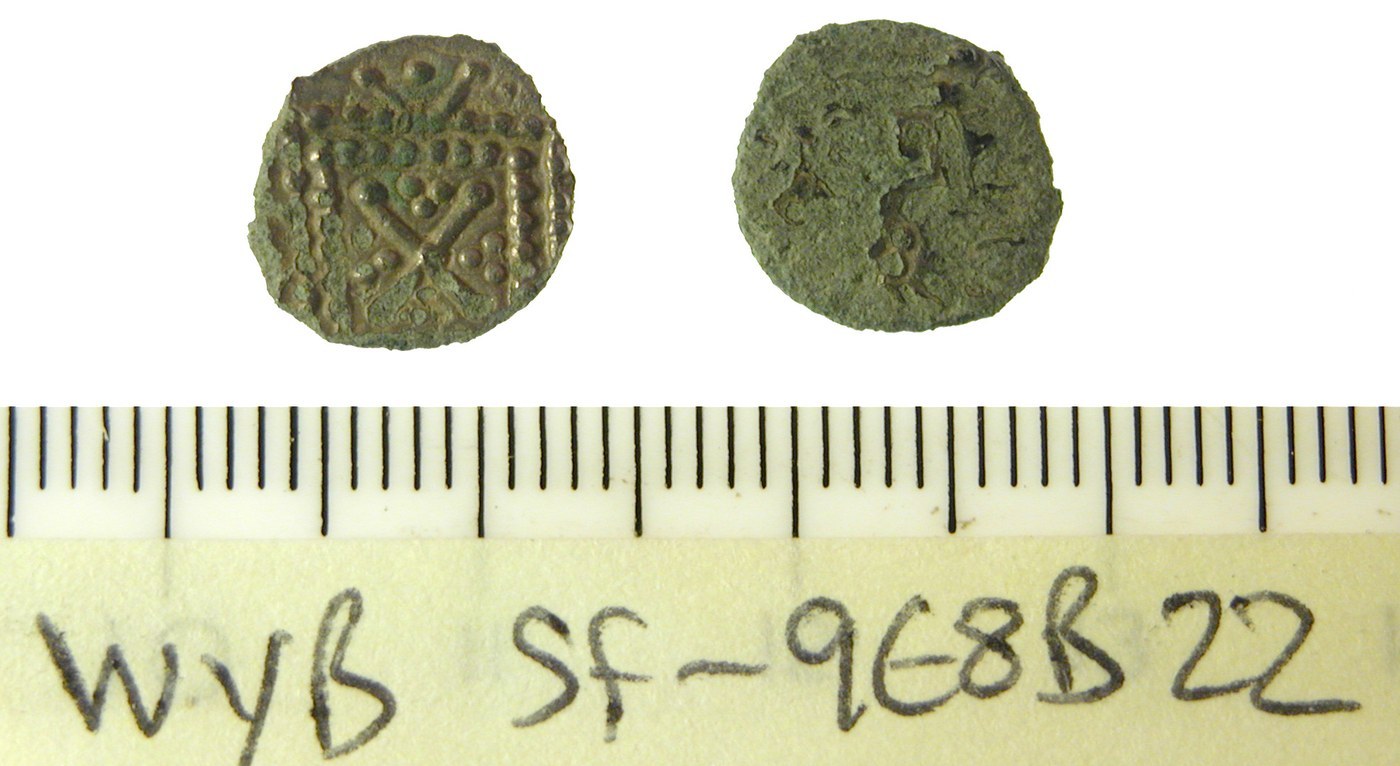
Anglo-Saxon Sceatta
Tiny thick silver coin of early Anglo-Saxon England, the example showing a stylized bird with geometric patterns and symbolic reverse designs.
- Country
- England
- Denomination
- Sceatta
- Metal
- Silver
Got a coin like this?
Identify any coin from a photo, free.
Overview
The Anglo-Saxon sceatta is a small, thick silver coin struck in England (and neighboring parts of the North Sea world) during the late 7th and early 8th centuries. The example shown here carries a zoomorphic obverse design built around a stylized bird set among geometric patterns, paired with a reverse of geometric ornament and symbolic elements, a look typical of the abstract, pattern-driven art of the period.
Sceattas were the everyday silver money of early Anglo-Saxon trade before the introduction of the broader, thinner penny later in the 8th century. They are prized by collectors for their bold, often enigmatic designs, drawn from animals, faces, crosses, standards, and interlace rather than from realistic portraits or long inscriptions.
History & Background
Sceattas emerged in the last decades of the 7th century as the primary silver denomination of the emerging Anglo-Saxon kingdoms and the wider trading network around the North Sea, including Frisia and the Low Countries. They circulated during a commercial upswing centered on coastal trading settlements ("wics") such as those associated with London, Southampton (Hamwic), and East Anglia, and closely parallel contemporary Continental issues.
Most sceattas carry no ruler's name and cannot be tied to a specific king, so scholars classify them into series and types by design rather than by inscription. Over the first half of the 8th century the silver content of many issues declined, and the sceattas were eventually superseded by the reformed, broader silver penny during the later 8th century, the coin that would define Anglo-Saxon currency thereafter.
How to Identify
Look for a very small silver coin, typically only around 10-13 mm across but noticeably thick and chunky compared to a later medieval penny, and usually weighing on the order of about a gram. The designs are abstract and stylized: this example shows a zoomorphic bird motif combined with geometric patterning on the obverse and a geometric, symbol-laden reverse rather than a realistic portrait or lengthy legend.
Because sceattas are organized into numismatic series (commonly cited with letter or name designations), identification depends on matching the specific animal, face, standard, cross, or interlace motifs and the arrangement of pellets, lines, and borders. Genuine pieces are hand-struck, so expect slightly irregular flans, off-center strikes, and individual variation. The absence of a datable royal name is normal for the type.
Value & Collectibility
Sceattas are collected across a wide range of prices. Common series in worn or roughly struck condition are among the more accessible early medieval silver coins, while well-centered, sharply struck examples with clear, attractive designs command higher premiums. Scarcer series, unusual varieties, and coins with strong "eye appeal" can be worth considerably more.
Condition, completeness of the design, metal quality, and the specific series all affect value, and because these coins vary so much individually, prices are best judged against recent comparable sales rather than a single figure. Provenance and, for finds, lawful reporting can also matter. Treat any valuation as approximate and confirm with specialist references or dealers.
Frequently asked questions
What is a sceatta?
A sceatta (plural sceattas) is a small, thick silver coin used in early Anglo-Saxon England during the late 7th and early 8th centuries. It was the main silver money before the later, broader penny.
Why doesn't it have a king's name on it?
Most sceattas carry no ruler's name and instead use abstract animal, face, cross, and geometric designs. Collectors classify them into series by their imagery rather than by inscription.
How big is a sceatta?
It is very small, usually only about 10-13 mm across, but thick and chunky for its size and weighing roughly a gram. Its small, heavy fabric is a key identifying feature.
Is it really silver?
Yes, sceattas were struck in silver, though the fineness of many issues declined over the early 8th century. Later, debased examples can contain noticeably less silver.
What is the bird design on this coin?
It is a stylized, zoomorphic bird motif set among geometric patterns, a common decorative theme on sceattas. Such abstract animal designs are typical of the art of the period rather than lifelike depictions.
Anglo-Saxon Sceatta guides
In-depth guides for identifying, valuing, and collecting Anglo-Saxon Sceatta.
Other coins you may enjoy
Edward IV Ryal
c. 1465-1470
Penny of Offa
c. 757-796 (8th century)
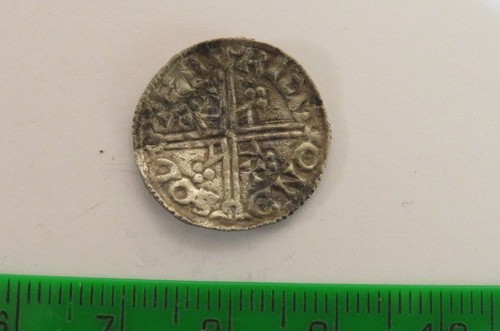
Medieval Penny
c. 8th-15th century
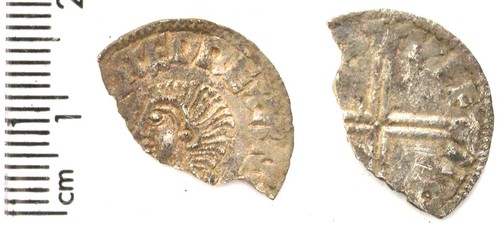
Penny of Aethelred II
978-1013
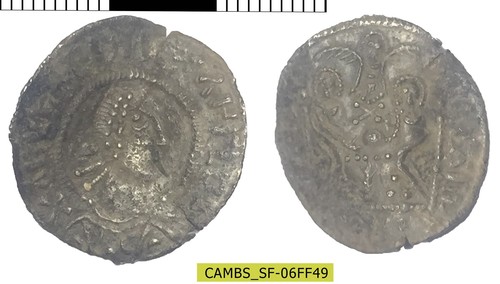
Penny of Alfred the Great
c. 871-899 (late 9th century)
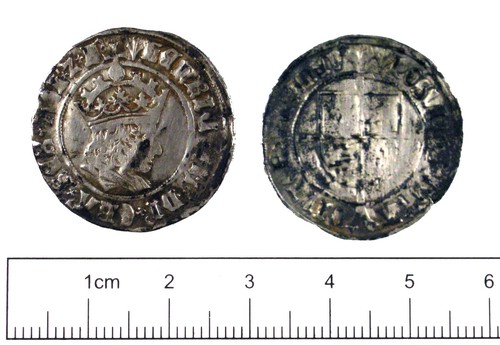
Henry VII Groat
1485-1509
Edward V Angel
1483
Edward IV Half Groat
1461-1483
Penny of Cnut
1024-1030
Henry VII Sovereign
1485-1509
Long Cross Penny
1247-1279 (13th century)
Anglo-Saxon Styca
8th-9th century