
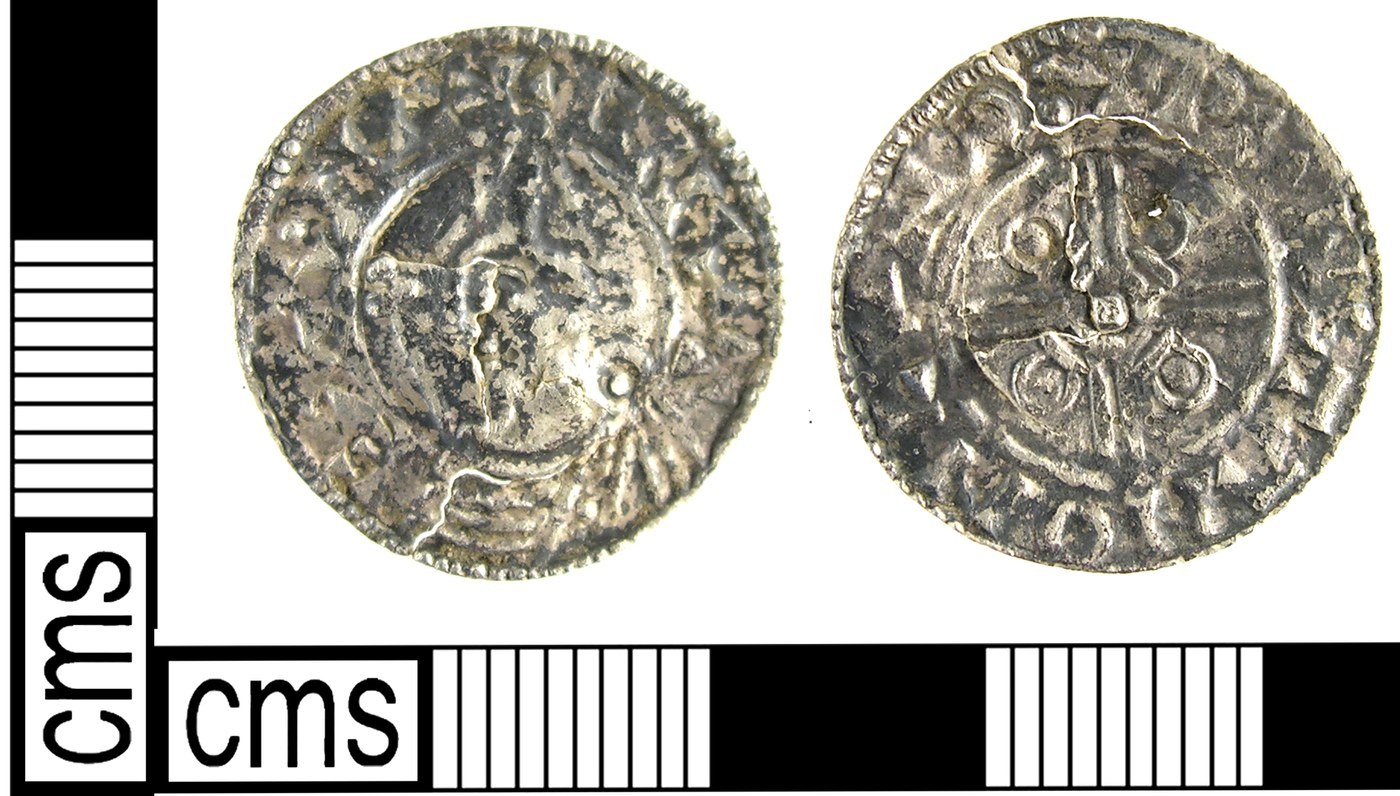
Penny of Cnut
Anglo-Saxon silver penny of King Cnut (Canute), showing a diademed bust facing left with a cross-and-pellets reverse, struck c.1024-1030.
- Country
- England
- Denomination
- Penny
- Metal
- Silver
Got a coin like this?
Identify any coin from a photo, free.
Overview
The Penny of Cnut is a hammered silver penny struck in England during the reign of King Cnut, the Danish ruler remembered in English tradition as Canute. The penny was effectively the only coin of everyday account in late Anglo-Saxon England, and a well-organised network of royal mints turned out these small silver discs across the kingdom. The example shown carries a diademed bust of the king facing left on the obverse and a cross with pellets on the reverse, a combination typical of Cnut's coinage of roughly 1024 to 1030.
As a portrait penny of one of the most important kings of eleventh-century northern Europe, this coin sits at the meeting point of Anglo-Saxon and Scandinavian history. Its design follows the reformed English penny system in which types were changed periodically and each coin named both the moneyer who struck it and the town where it was made, making these pennies unusually informative for their age.
History & Background
Cnut ruled England from 1016 until his death in 1035, and at the height of his power he also held Denmark and Norway, presiding over a North Sea empire that linked England to Scandinavia. He inherited a sophisticated English coinage system already in place under Æthelred II, in which the design of the penny was periodically renewed and old coins were called in and restruck. Cnut continued this system, issuing a sequence of distinct penny types over his reign.
Cnut's pennies are traditionally grouped into a small number of major types, of which the principal ones are the Quatrefoil, the Pointed Helmet, and the Short Cross issues. The diademed left-facing bust with a cross-and-pellets reverse seen here belongs to this middle-to-later part of the reign, around the 1020s, when the king's portrait was rendered in a comparatively simple, stylised manner. Because the reign's types succeeded one another, the design itself is a broad dating tool.
The coins were produced by many moneyers working at dozens of mint towns across England, from London and Winchester to smaller boroughs. The reverse legend records the moneyer's name and the mint, so surviving pennies of Cnut collectively document the reach of royal administration and the wide geography of English minting in the early eleventh century.
How to Identify
Identify the coin first from its two faces. The obverse shows a bust of the king facing left, wearing a diadem, surrounded by a Latin-form legend naming CNVT (or a variant such as CNVT REX). The reverse carries a cross with pellets and a surrounding legend giving the moneyer's name and the mint town, both abbreviated. Reading these legends is the key step in attributing a specific example.
The penny is a thin, small silver disc, generally around 17 to 21 mm across and light in weight, typically on the order of one to one and a half grams. It is hammered rather than machine-made, so the flan is often slightly irregular or off-centre, and the striking can be uneven, with parts of the legend weak or off the edge. These are normal features of a genuine coin of this period, not defects.
Because Cnut issued several types and because his coins closely resemble those of Æthelred II before him and Harold I and Harthacnut after him, precise attribution depends on the combination of bust style, the reverse design, and the legends rather than on the portrait alone. The specific mint and moneyer, and thus the fuller identification, must be read from the reverse inscription.
Value & Collectibility
As a genuine medieval silver portrait coin of a famous king, the Penny of Cnut is a collectable piece that trades well above its small silver content. Prices depend heavily on condition, how complete and legible the legends are, the specific type, and the mint and moneyer, since some mints are far scarcer than others. Worn or clipped examples with weak legends are the most affordable, while sharp, well-centred coins with fully readable mint and moneyer names command a clear premium, and rare mints or exceptional condition can raise the price considerably at specialist auction.
Provenance and authenticity strongly affect value. Genuine hammered pennies of this period are widely imitated, and coins with documented find or collection history, or with certification from a reputable dealer or grading service, inspire more confidence. Any significant attribution or valuation should be confirmed by a specialist in Anglo-Saxon coinage rather than resting on the portrait alone.
Frequently asked questions
Who was Cnut?
Cnut, also known as Canute, was a Danish king who ruled England from 1016 to 1035 and at his height also held Denmark and Norway. He is the figure in the famous story of commanding the tide, and his English pennies are among the most widely collected Anglo-Saxon coins.
How much is a Penny of Cnut worth?
As a genuine medieval silver coin of a famous king it sells well above its silver value. Worn examples with weak legends are the most affordable, while sharp coins with fully legible mint and moneyer names, or rare mints, command a clear premium. Condition, type, mint, and provenance drive the price.
How can I tell it is Cnut on the coin?
Look for a bust facing left wearing a diadem, with a legend naming CNVT or CNVT REX, and a cross-and-pellets reverse whose inscription gives a moneyer and mint. The king's name in the obverse legend is the surest identifier.
When was it made?
During Cnut's reign over England, 1016 to 1035. The diademed left-facing bust with a cross-and-pellets reverse belongs to the middle-to-later part of the reign, roughly 1024 to 1030.
Why does the reverse name a person and a place?
Late Anglo-Saxon pennies recorded the moneyer who struck the coin and the mint town where it was made. This let the crown control and account for its coinage, and it lets collectors today identify exactly where and by whom a surviving penny was produced.
Penny of Cnut guides
In-depth guides for identifying, valuing, and collecting Penny of Cnut.
Other coins you may enjoy
Edward IV Ryal
c. 1465-1470
Penny of Offa
c. 757-796 (8th century)
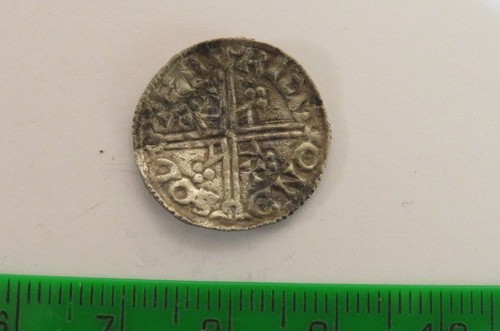
Medieval Penny
c. 8th-15th century
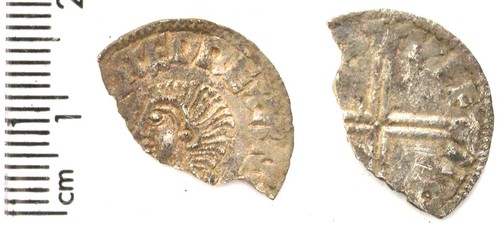
Penny of Aethelred II
978-1013
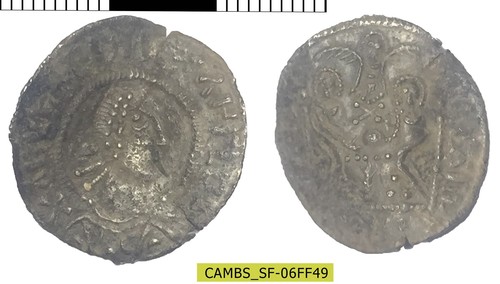
Penny of Alfred the Great
c. 871-899 (late 9th century)
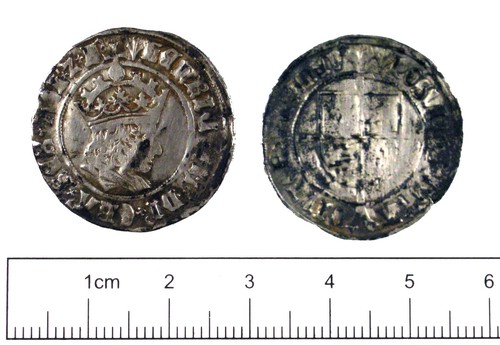
Henry VII Groat
1485-1509
Edward V Angel
1483
Edward IV Half Groat
1461-1483
Henry VII Sovereign
1485-1509
Long Cross Penny
1247-1279 (13th century)
Anglo-Saxon Styca
8th-9th century
Anglo-Saxon Sceatta
7th-8th century