
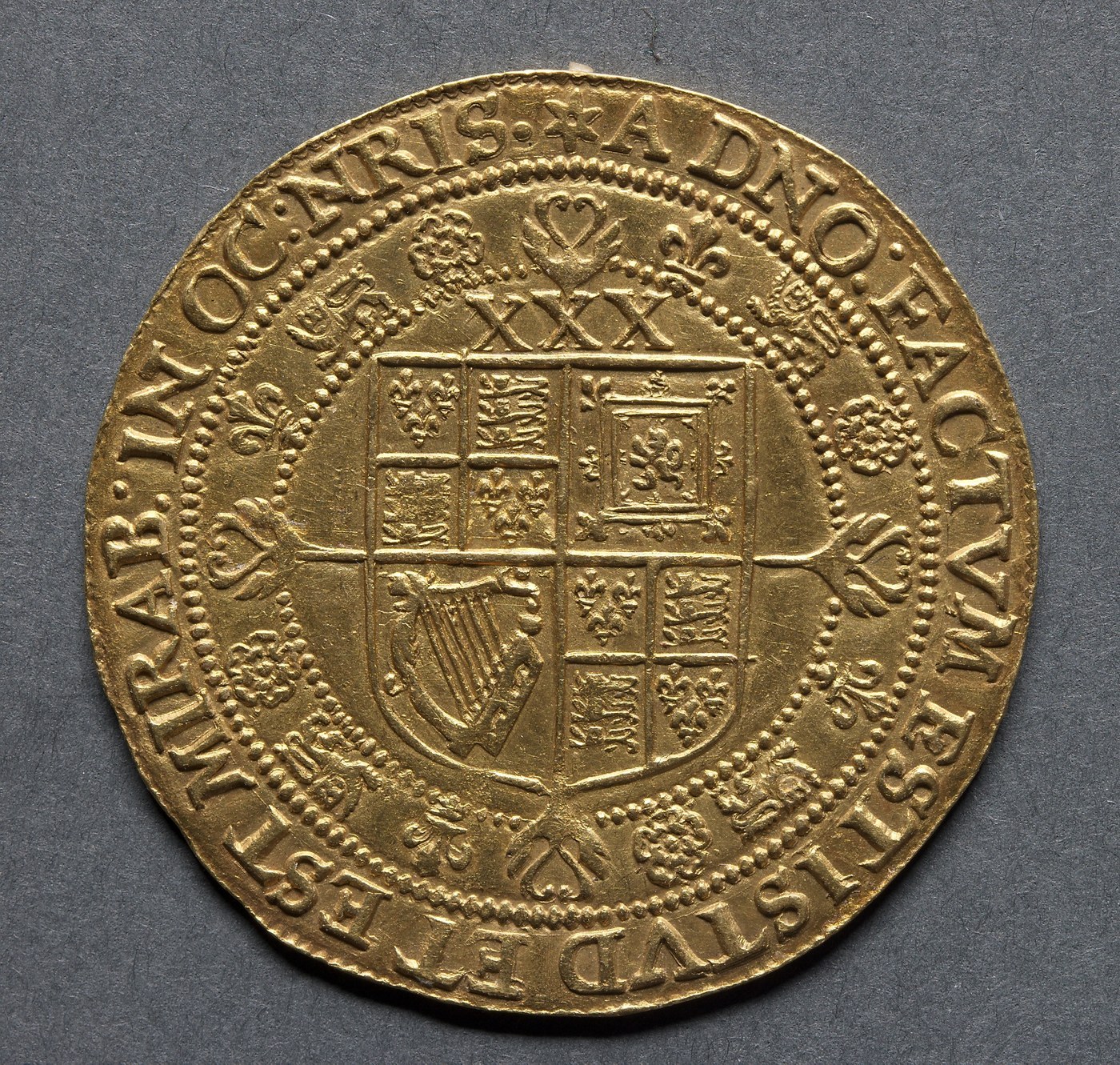
Edward IV Ryal
English medieval gold coin of Edward IV showing the king armored in a ship with a shield, and a radiant rose-on-sun design on the reverse.
- Country
- England
- Denomination
- Ryal
- Metal
- Gold
Got a coin like this?
Identify any coin from a photo, free.
Overview
The Edward IV Ryal is a large medieval English gold coin, and the example shown carries the classic "ship" design: on the obverse the armored king stands facing in a single-masted ship, holding a sword and a heraldic shield bearing the royal arms, with a rose on the ship's side. The reverse displays a floreate cross with a large rose superimposed on a radiant sun at its center, framed by lions, crowns, and fleurs-de-lis within a lobed border.
Because of that central rose-and-sun motif, the coin is very commonly called the "Rose Noble." It was introduced during Edward IV's recoinage of the 1460s as a higher-value successor to the earlier gold noble and became one of the most visually striking issues of late-medieval English coinage.
History & Background
Edward IV, the first Yorkist king, reigned from 1461 to 1470 and again from 1471 to 1483. During a major recoinage in the mid-1460s he reformed England's gold currency: the older noble was revalued and a new, heavier gold coin, the ryal, was struck and tariffed at ten shillings. The rose and the radiant sun on the design reflect Yorkist badges, the "sun in splendour" being associated with Edward's reign.
Ryals were produced at the royal mint in London and also at several provincial mints reopened for the recoinage, including Bristol, Coventry, Norwich, and York. These mints are commonly indicated by an initial letter placed in the field of the ship on the obverse. The type belongs to the broader European tradition of "ship" gold coins that began with the English noble and was widely imitated on the Continent.
How to Identify
Look for a broad, thin gold coin with a standing armored king in a ship on one face. The king holds an upright sword and a large shield showing the quartered arms of France and England (fleurs-de-lis and lions), and a rose appears on the hull. A Latin legend runs around the rim naming the king, and on many pieces a single letter in the ship's field marks the mint.
The reverse centers on a floreate (many-pointed) cross with a rose laid over a radiant sun at the middle, surrounded by lions passant and crowns set within a tressure of arcs, again ringed by a Latin legend. The coin is struck in high-purity medieval gold and is noticeably large and light for its diameter compared with modern coins; genuine strikes often show slightly uneven, hand-hammered surfaces and edges.
Value & Collectibility
The Edward IV Ryal is a sought-after piece of medieval English gold and trades at a significant premium over its gold content. Well-worn or damaged but genuine examples typically bring mid-four-figure sums, while sharply struck, well-centered coins with clear legends command substantially more, and the finest examples can reach five figures at auction.
Mint matters: London strikes are the most frequently seen, while Bristol, Coventry, Norwich, and York issues are scarcer and can carry meaningful premiums. Condition, centering, completeness of the legends, and the absence of mounting, bending, or clipping all strongly affect price. Because high-value medieval gold is faked, treat any single figure as approximate and confirm value through recent comparable sales and expert authentication.
Frequently asked questions
Why is it called a "Rose Noble"?
Because of the large rose set on a radiant sun at the center of the reverse. The ryal was a higher-value successor to the earlier gold noble, and the rose motif gave it the popular nickname Rose Noble.
What was the Edward IV Ryal worth at the time?
The ryal was tariffed at ten shillings when it was introduced during Edward IV's recoinage of the 1460s, making it a high-value gold coin of its day.
Who is the figure standing in the ship?
It is King Edward IV himself, shown armored and standing in a single-masted ship holding a sword and the royal shield. The ship design continued a tradition begun with the English gold noble.
Where were these coins made?
At the London mint and at provincial mints reopened for the recoinage: Bristol, Coventry, Norwich, and York. A single initial letter in the ship's field often identifies the mint.
Is it real gold?
Yes. The ryal was struck in high-purity medieval gold and is a broad, relatively thin coin, which is why it survives as a prized collectible today.
Edward IV Ryal guides
In-depth guides for identifying, valuing, and collecting Edward IV Ryal.
Other coins you may enjoy
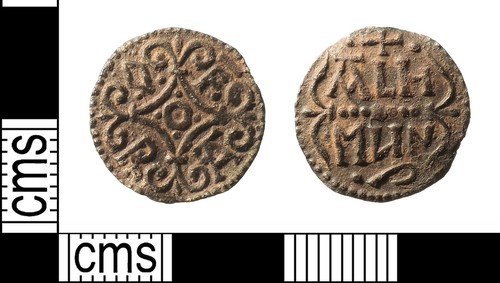
Penny of Offa
c. 757-796 (8th century)
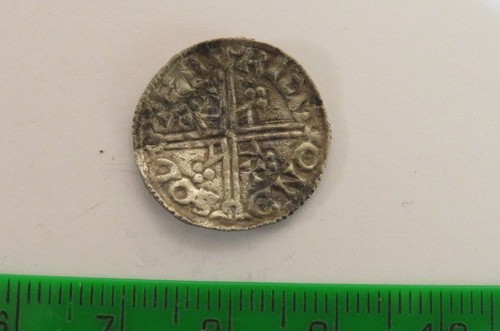
Medieval Penny
c. 8th-15th century
Penny of Aethelred II
978-1013
Penny of Alfred the Great
c. 871-899 (late 9th century)
Henry VII Groat
1485-1509
Edward V Angel
1483
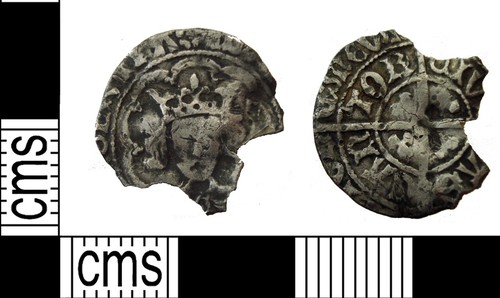
Edward IV Half Groat
1461-1483
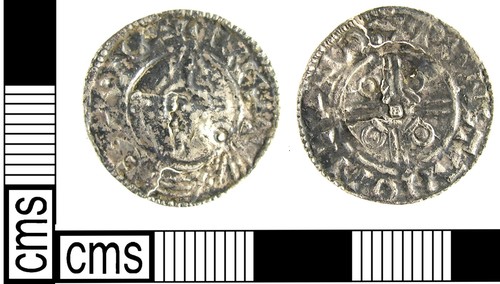
Penny of Cnut
1024-1030
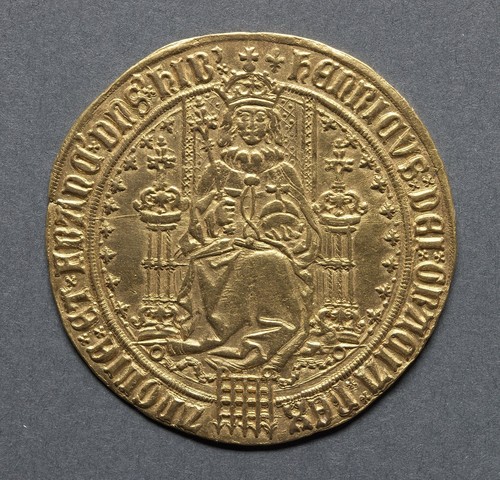
Henry VII Sovereign
1485-1509
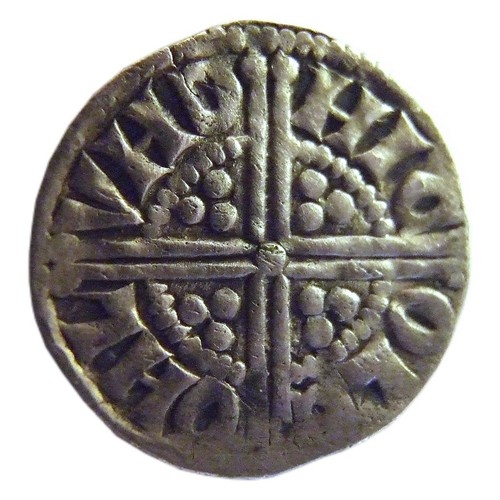
Long Cross Penny
1247-1279 (13th century)
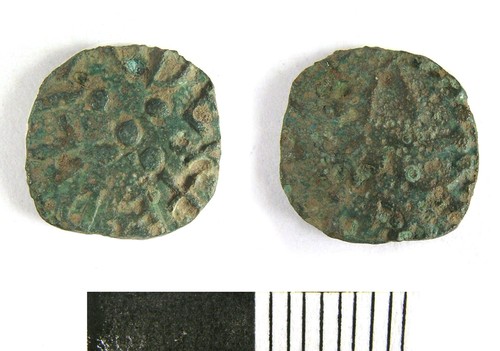
Anglo-Saxon Styca
8th-9th century
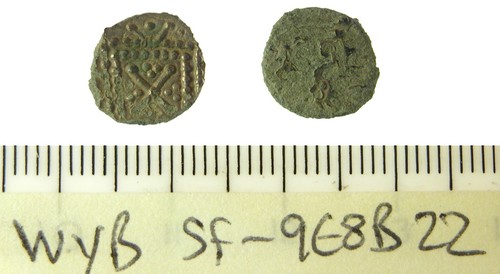
Anglo-Saxon Sceatta
7th-8th century