
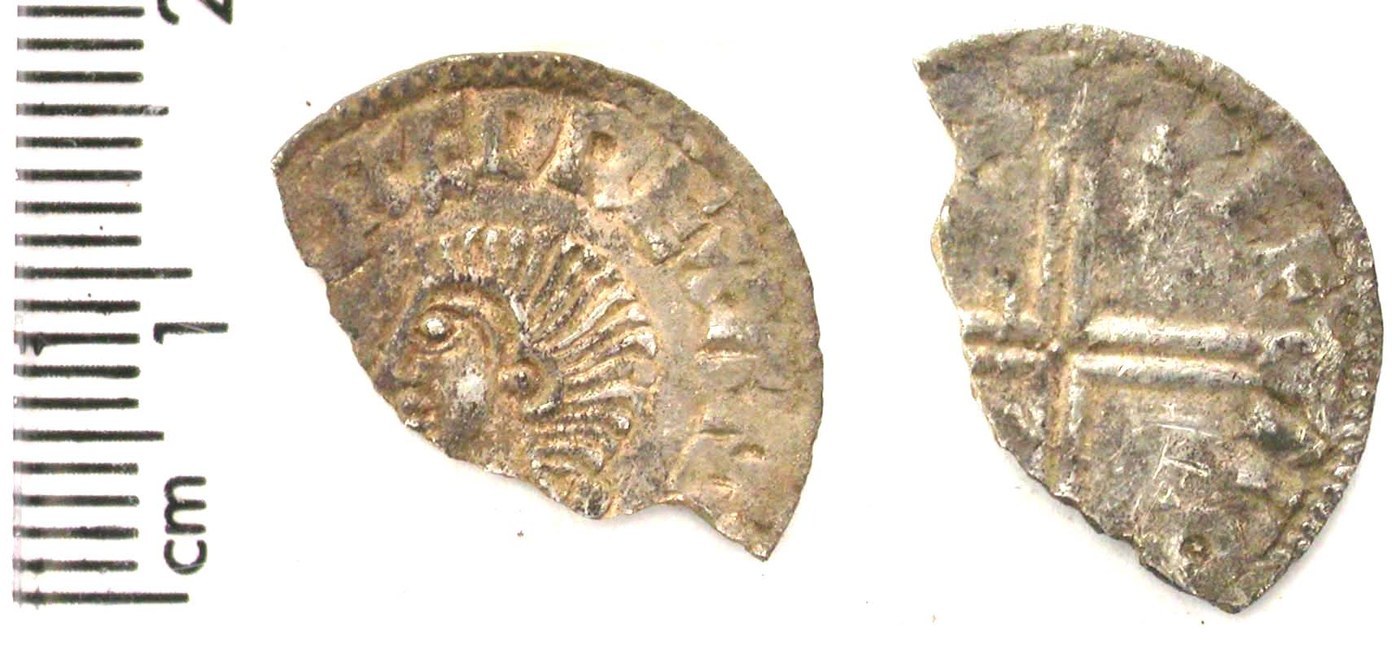
Penny of Aethelred II
Anglo-Saxon silver penny of King Aethelred II showing his diademed bust facing left and a cross with pellets and ornament on the reverse.
- Country
- England
- Denomination
- Penny
- Metal
- Silver
Got a coin like this?
Identify any coin from a photo, free.
Overview
The Penny of Aethelred II is a hammered silver coin of late Anglo-Saxon England, and the example shown carries a diademed bust of the king facing left on the obverse with a cross surrounded by pellets and ornamental detail on the reverse. The silver penny was the only regularly struck denomination of the period, so this coin represents the everyday currency of England around the turn of the first millennium.
Struck across a long reign, pennies of Aethelred II appear in several successive design types, all built around a royal bust or head paired with a cross-based reverse. The reverse legend records the name of the moneyer responsible for the coin and the mint where it was struck, making these small silver pieces both a practical currency and a detailed historical record.
History & Background
Aethelred II ruled England from 978 to 1016 and is popularly known as Aethelred "the Unready," a nickname derived from an Old English pun meaning "ill-advised" rather than unprepared. His reign was dominated by renewed Viking raids, and vast quantities of English silver pennies were paid to Scandinavian armies as tribute known as Danegeld, which is one reason so many of his coins survive today in Northern European hoards.
The coinage operated through a network of mints spread across the kingdom, each employing named moneyers who were accountable for the weight and purity of the silver. Aethelred's pennies were issued in a sequence of substantive types, and the diademed left-facing bust seen here belongs to this well-organized late Anglo-Saxon monetary system that was periodically reformed and recoined under royal authority.
How to Identify
Look for a thin, small silver coin, broadly in the range of about 18-21 mm across and light in hand, struck by hand rather than machine so the flan is often slightly irregular. The obverse shows a diademed royal bust facing left with a surrounding Latin legend naming the king, typically a form of AEDELRED REX ANGLORUM (Aethelred, King of the English).
The reverse of this example is built around a cross with pellets and ornamental elements, encircled by a legend that gives the moneyer's name and the mint town rather than a date. Because Anglo-Saxon pennies are undated, the specific design type, bust style, and reverse cross form are the keys used to place the coin within the 978-1016 reign. Wear commonly shows first on the highest points of the bust and on the central cross.
Value & Collectibility
Pennies of Aethelred II are among the more available late Anglo-Saxon coins because so many were struck and exported as Danegeld, so value is driven mainly by design type, mint, moneyer, and above all condition and strike quality. Worn but genuine and clearly legible examples are attainable for collectors, while sharply struck coins with full legends, good centering, and attractive old-cabinet toning bring substantial premiums.
Certain mints, rarer moneyers, and scarcer substantive types command higher prices, and a bold, well-centered portrait adds considerably to appeal. As with all early hammered silver, cracks, chips, bending, and cleaning reduce value. These coins have also been reproduced and forged, so treat any single price as approximate and verify against recent auction records and expert opinion.
Frequently asked questions
Who was Aethelred II?
Aethelred II was King of England from 978 to 1016, popularly called Aethelred the Unready. His reign saw heavy Viking raids and large silver payments known as Danegeld.
Is the coin real silver?
Yes. The Anglo-Saxon penny was struck in silver and was the standard everyday coin of England at the time. It is a small, thin, hand-struck piece rather than a large heavy coin.
Why is there no date on the coin?
Anglo-Saxon pennies do not carry dates. Instead the reverse names the moneyer and mint, and specialists date the coin from its design type and style within the 978-1016 reign.
What does the reverse show?
This example has a cross with pellets and ornamental detail at the center, ringed by a legend giving the moneyer's name and the mint town where the coin was struck.
Why do so many survive?
Enormous numbers were struck and paid to Viking armies as tribute, ending up in Scandinavian and Baltic hoards. This is why Aethelred II pennies are relatively well represented today.
Penny of Aethelred II guides
In-depth guides for identifying, valuing, and collecting Penny of Aethelred II.
Other coins you may enjoy
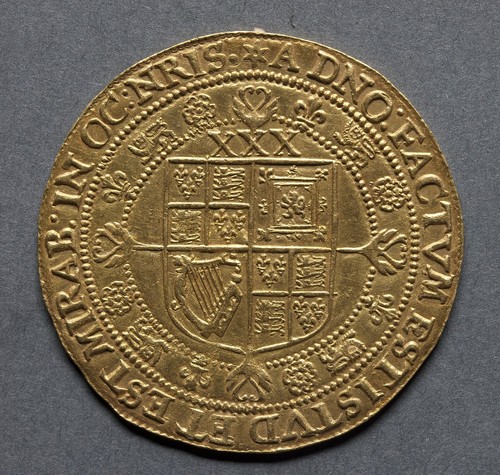
Edward IV Ryal
c. 1465-1470
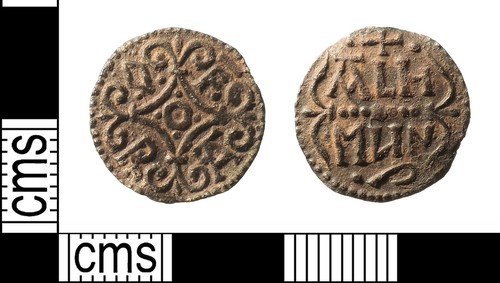
Penny of Offa
c. 757-796 (8th century)
Medieval Penny
c. 8th-15th century
Penny of Alfred the Great
c. 871-899 (late 9th century)
Henry VII Groat
1485-1509
Edward V Angel
1483
Edward IV Half Groat
1461-1483
Penny of Cnut
1024-1030
Henry VII Sovereign
1485-1509
Long Cross Penny
1247-1279 (13th century)
Anglo-Saxon Styca
8th-9th century
Anglo-Saxon Sceatta
7th-8th century