
How to Identify the Penny of Aethelred II
Practical checks for the Anglo-Saxon silver penny: royal bust, cross reverse, size and metal, moneyer and mint legends, and forgery cautions.
Read the full Penny of Aethelred II encyclopedia entry →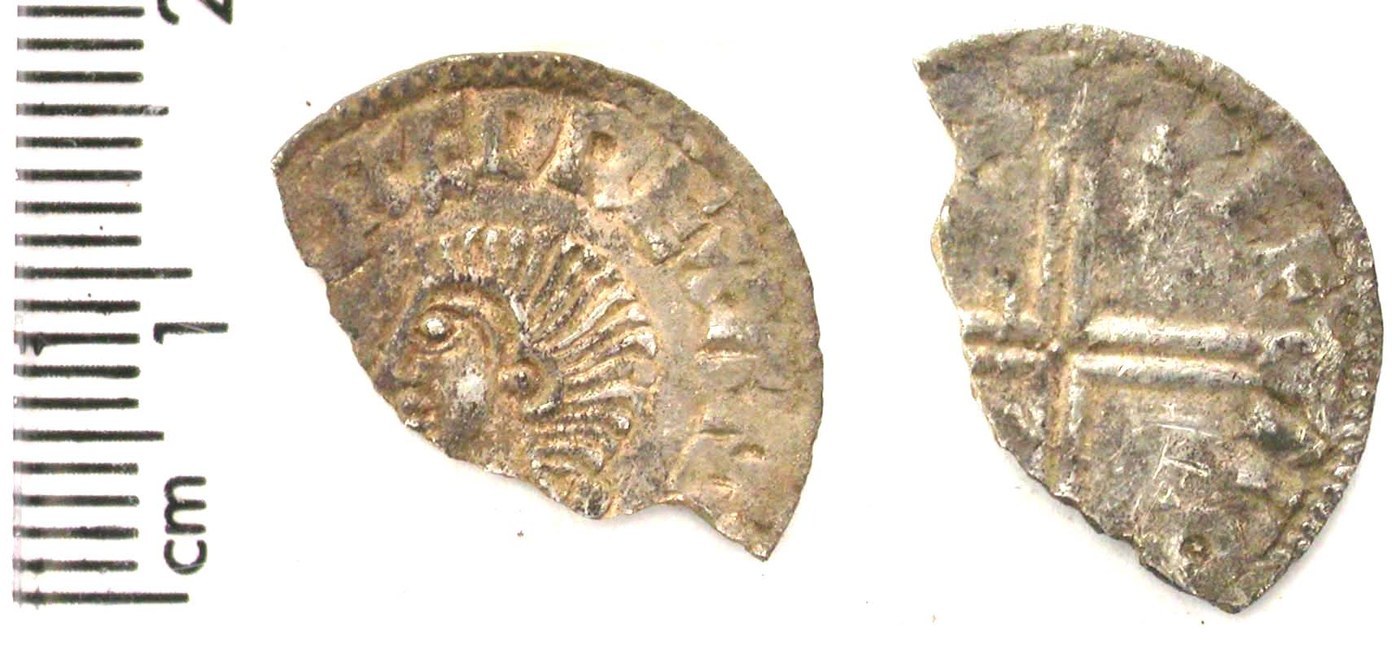
Start with size, metal, and manufacture. This should be a small, thin silver coin, roughly 18-21 mm across and light in the hand, with the slightly uneven outline and occasional flat spots typical of hand-hammered striking. Perfectly round, thick, or machine-smooth pieces are a warning sign of a modern reproduction rather than a genuine hammered penny.
Read the obverse. Expect a diademed royal bust facing left with a Latin legend running around the edge, generally a form of AEDELRED REX (Aethelred, King), often extended with ANGLORUM. The letter forms are medieval, so watch for the crossed-D character used for the "th" sound in Aethelred's name, and note that the portrait is stylized rather than a realistic likeness.
Examine the reverse for the type. On this coin the design centers on a cross with pellets and ornamental detail, encircled by a legend that names the moneyer and then the mint town, not a date. Aethelred's coinage runs through several substantive types over his reign, so the exact cross form, bust style, and legend arrangement are what let a specialist assign the type and approximate date within 978-1016.
Separate look-alikes. Pennies of his predecessor Edward the Martyr and successor Cnut share the same small-silver format and cross-based reverses, so confirm the king's name in the obverse legend before attributing. Also be aware that Aethelred's types were widely imitated in Scandinavia; contemporary Nordic copies exist and can be collectible in their own right but are not English royal issues.
Authenticate carefully. Anglo-Saxon pennies are frequently forged and also cast as souvenirs, so check for casting seams, bubbles, a soft "mushy" surface, or an incorrect weight and diameter. Legends should be crisp Latin with sensible moneyer and mint names, and the silver should look right for the period. When value is meaningful, seek an established dealer or expert attribution before buying or selling.
Frequently asked questions
How can I tell it apart from a Cnut or Edward the Confessor penny?
Read the obverse legend for the king's name. Aethelred II coins name AEDELRED, while later pennies name CNUT or EADWARD. The overall small-silver format and cross reverses are similar across these reigns.
What size and weight should a genuine penny be?
Expect a small, thin silver coin about 18-21 mm across and light in hand. Thick, heavy, or perfectly round machine-made pieces suggest a modern copy rather than a hammered original.
How do I find the mint and moneyer?
Look at the reverse legend around the cross. It names the moneyer first and then the mint town. There is no date, so the type and style are used to place the coin in the reign.
Are Scandinavian imitations a concern?
Yes. Aethelred's types were copied in the Nordic world, and such imitations can look convincing. They are collectible but are not official English issues, so confirm the legends and style before attributing.