
How to Identify the Penny of Alfred the Great
Collector checks for an Alfred silver penny: the royal bust, cross reverse, moneyer inscription, hammered fabric, and authentication cautions.
Read the full Penny of Alfred the Great encyclopedia entry →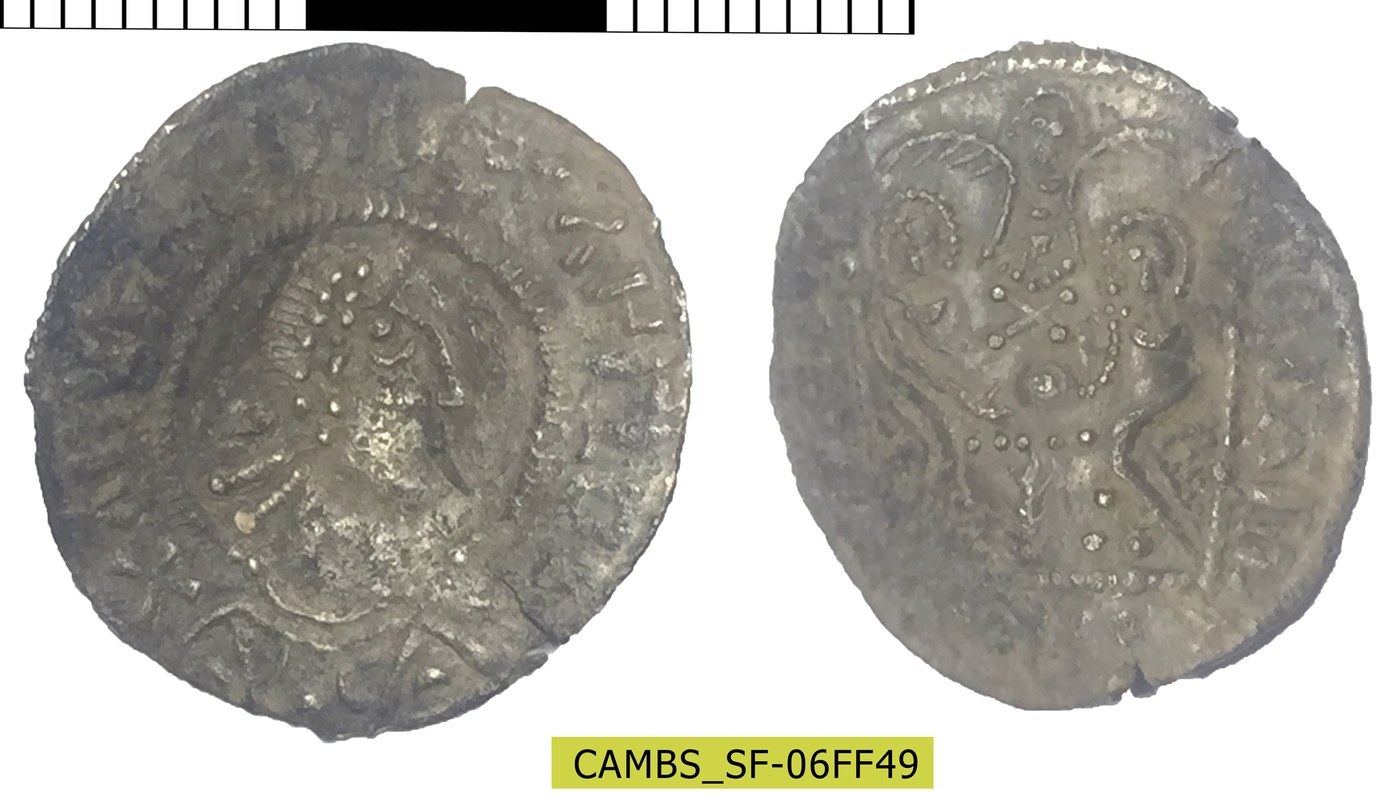
Start with the fabric and metal. An Alfred penny is a small, thin, hand-struck silver coin with a slightly irregular outline; it should not be perfectly round, and it will show the soft, hand-hammered surfaces of the 9th century rather than the crisp uniform rim of a machine-made coin. If the piece is brassy, cast-looking, or perfectly circular with sharp mechanical edges, be cautious.
Read the obverse. On this type you should see a stylized head facing right set within a beaded or linear circle, ringed by a Latin legend. On genuine Alfred pennies that legend names the king, usually as an ELFRED or AELFRED spelling accompanied by a REX (king) title. Anglo-Saxon lettering is angular and can be blundered or partly off the flan, so read what survives rather than expecting a complete, tidy inscription.
Examine the reverse. Here the central device is a cross, with an inscription arranged around or across the field. On many of Alfred's coins this text records the moneyer's name, and sometimes a mint; identifying that name is often the key to attributing the exact issue. Note that Alfred also struck other reverse types, such as monogram designs naming London, so a cross-and-inscription reverse is one recognized pattern among several.
Watch for look-alikes and confusions. Pennies of neighboring and later Anglo-Saxon rulers use similar portrait-and-cross layouts, so the obverse name is essential to separate Alfred from other kings. Do not confuse a genuinely worn hammered coin with a damaged modern piece, and be aware that Alfred's fame makes his coinage a frequent target for both antique forgeries and modern replicas and "museum" copies.
Authenticate before you rely on any identification. Because this coinage is valuable and heavily faked, weigh and measure the coin, look for casting bubbles or seams and unnaturally smooth or grainy surfaces, and treat unprovenanced pieces skeptically. For anything of real value, seek attribution by a specialist in early medieval English coins and, where appropriate, third-party authentication rather than trusting the design alone.
Frequently asked questions
How do I know the coin names Alfred and not another king?
Read the obverse legend around the head. Alfred's pennies name him in an ELFRED or AELFRED form with a REX title. Similar portrait-and-cross pennies of other Anglo-Saxon kings carry different names.
What should a genuine Alfred penny look and feel like?
It is a small, thin, silver coin with a slightly irregular shape and soft hammered surfaces. Off-center strikes and uneven lettering are normal; a perfectly round, sharp-edged coin is a warning sign.
What does the reverse inscription tell me?
On this cross type the reverse usually records the moneyer who struck the coin, and sometimes the mint. Identifying that name helps attribute the exact issue within Alfred's coinage.
Should I get an Alfred penny authenticated?
Yes, for anything of value. This coinage is scarce and frequently forged, so provenance, specialist attribution, and third-party authentication matter far more than matching the design alone.