
How to Identify the Penny of Offa
Collector checks for an Anglo-Saxon Offa penny: size and metal, the OFFA legend, moneyer name, cross-and-ornament reverse, and fakes.
Read the full Penny of Offa encyclopedia entry →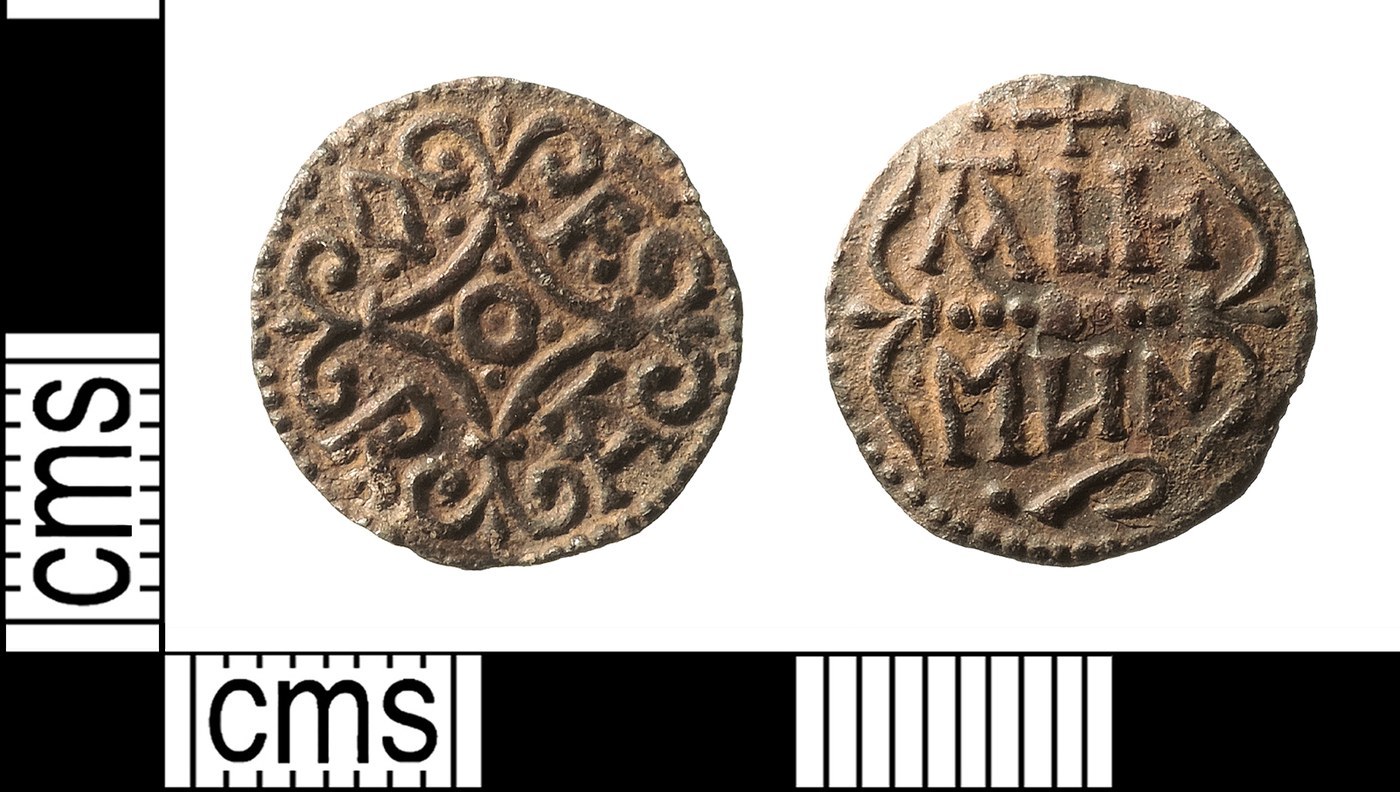
Start with format, size, and metal. An Offa penny is a small, thin, hand-struck silver coin, typically around 17-20 mm across and only about a gram in weight, with a broad flat flan that is often slightly irregular. It should feel light and look like grey-toned silver, not a thick, heavy, or bright modern-looking piece. Anything much larger, thicker, or clearly base-metal is not this type.
Read the obverse legend. The key diagnostic is the king's name in the inscription around the design, most often a form of OFFA or OFFA REX. The central image varies: some coins show a profile portrait, others a monogram or ornamental arrangement of the name. Early medieval lettering is frequently uneven or partly blundered, so read patiently and expect gaps where the strike was weak or off-center.
Examine the reverse. Look for a cross as the central motif, combined with geometric ornament such as pellets, wedges, lozenges, or bars, matching the cross-and-pattern layout of the photographed coin. The surrounding inscription usually names the moneyer rather than a place, and identifying that moneyer helps attribute the coin and separate it from other Anglo-Saxon issues. There is no consistent modern-style mint mark; attribution comes from the combination of king's name, moneyer, and style.
Rule out look-alikes. Offa's pennies can be confused with pennies of other 8th- and 9th-century Anglo-Saxon kings, with pennies of Archbishops of Canterbury struck in the same era, and with the coins of Queen Cynethryth. The deciding factor is the name in the legend, so confirm it reads for Offa and not another ruler. Earlier, smaller, thicker sceattas are a different, pre-reform coinage and should not be mistaken for these broader pennies.
Authenticate with real caution. Because genuine examples are scarce and valuable, they are among the more commonly forged Anglo-Saxon coins, including cast copies and modern struck fakes. Watch for casting seams, a soft or bubbly surface, suspiciously even or wire-thin lettering, and weights or diameters that fall outside the expected range. Given the stakes, do not rely on a self-attribution: seek an experienced dealer, a specialist auction house, or expert authentication, and value provenance and any documented findspot highly.
Frequently asked questions
What is the single best clue it is Offa's?
The king's name in the obverse legend. Look for a form of OFFA or OFFA REX around the design. Other Anglo-Saxon pennies of the period look similar but name a different ruler or archbishop.
Whose name is on the reverse?
Usually the moneyer, the person who struck the coin, rather than a place name. Identifying the moneyer and comparing the style helps attribute the coin and confirm it is a genuine Offa issue.
How can I spot a fake?
Check size and weight against the expected small, thin, roughly one-gram penny, and look for casting seams, bubbly or soapy surfaces, and unnaturally uniform lettering. High value makes these coins a common target for forgers, so seek expert opinion.
Could it be a sceatta instead?
Possibly, if it is smaller, thicker, and lacks a clear king's name. Sceattas are the earlier pre-reform coinage. Offa's issues are the broader, thinner reformed penny that names him in the legend.