
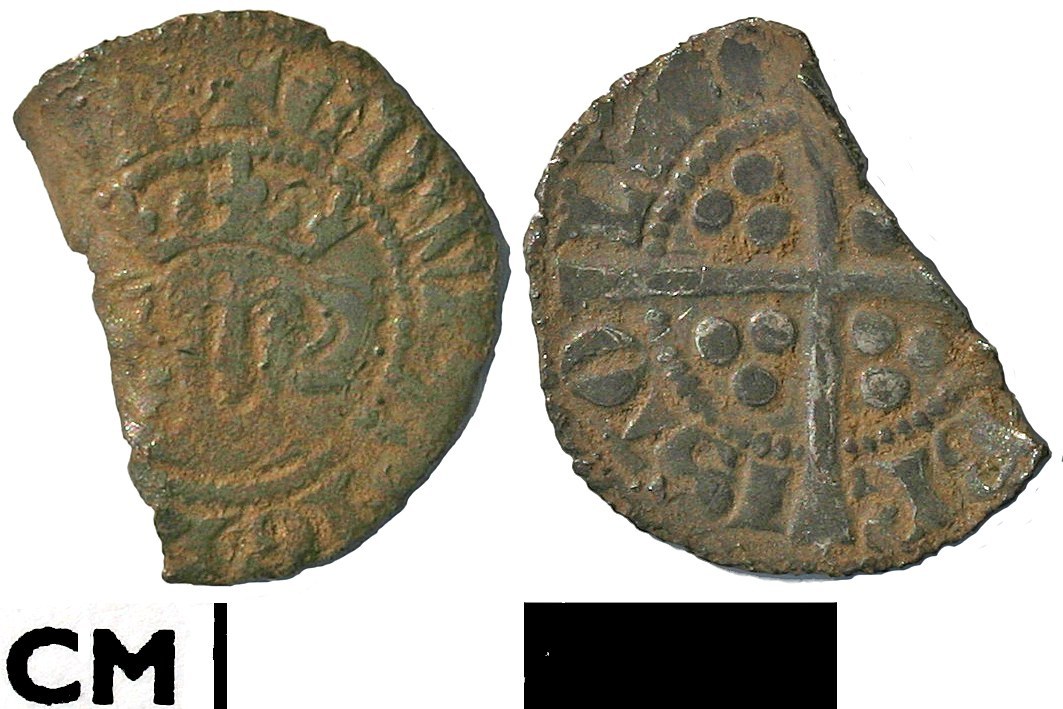
Edward I Groat
Rare early English silver fourpence of Edward I, showing his crowned facing-profile bust and a long-cross reverse with pellets in the quarters.
- Country
- England
- Denomination
- Groat
- Metal
- Silver
Got a coin like this?
Identify any coin from a photo, free.
Overview
The Edward I groat is an early English silver coin worth fourpence, struck during the reign of Edward I (1272-1307). The example shown here carries the classic design of the type: a crowned head of the king on the obverse and a long voided cross on the reverse, with groups of pellets set in each of the four quarters. The word "groat" comes from the medieval term for a large or "great" coin, reflecting that it was a substantial piece next to the ordinary silver penny of the day.
Unlike the everyday penny, the groat was an ambitious new denomination that never really caught on under Edward I. It was struck in comparatively small numbers and soon fell out of use, which makes genuine Edwardian groats scarce and highly sought after. The larger silver groat would only become a regular, widely circulating coin decades later, under Edward III.
History & Background
Edward I is best known for a sweeping recoinage begun around 1279, which introduced new silver denominations alongside the reformed penny, including the round halfpenny, the farthing, and the groat. The groat, valued at four pence, was intended as a larger, more convenient silver coin for higher-value transactions in an economy that until then had relied almost entirely on the single penny and its cut fractions.
In practice the new fourpence was not a success. It appears to have been struck only briefly and in limited quantity, and the denomination was effectively abandoned rather than becoming part of everyday currency. The groat did not return as a standard coin until the reign of Edward III in the mid-14th century, when a lighter version was reissued and finally took hold. As a result, surviving Edward I groats are rare and are treasured as early examples of a denomination that would later become central to English coinage.
How to Identify
Look for a silver coin noticeably larger than a medieval penny, showing a crowned bust of the king facing outward on the obverse, typically surrounded by a Latin legend, and a long cross reaching to or through the outer legend on the reverse with three pellets in each quarter. This long-cross-and-pellets reverse is shared with Edward's pennies, so size and denomination detail are what set the groat apart.
The groat's fabric is broader and heavier than the penny, being a fourpence rather than a penny, though early hand-struck examples vary in centering and flan shape. Because authentic Edward I groats are genuinely rare, any coin identified as one deserves close scrutiny: confirm the diameter and weight are consistent with a fourpence, check the style of the crown, bust, and lettering against reliable references, and be alert to later Edward III or Continental groats and to modern reproductions that copy the design.
Value & Collectibility
Genuine Edward I groats are rare and, when authentic and correctly attributed, can be valuable, often reaching substantial sums well above common medieval English pennies. Condition, strength of strike, completeness of the legends, and clear, undamaged design all strongly influence price, as does secure provenance for a coin of this rarity.
Because the type is scarce and frequently confused with the far more common groats of Edward III and later, valuation should never rest on the label alone. Any figure is best treated as approximate and confirmed against recent auction results for verified examples and through expert authentication, since a misattributed or reproduction piece is worth a small fraction of a genuine Edwardian groat.
Frequently asked questions
What is an Edward I groat?
It is an early English silver coin worth fourpence, struck under Edward I (1272-1307). It shows the king's crowned bust on one side and a long cross with pellets in the quarters on the other.
Why are Edward I groats so rare?
The groat was a new denomination introduced around 1279 that failed to catch on. It was struck only briefly and in small numbers, so few survive, making genuine examples scarce and desirable.
How is a groat different from an Edward I penny?
The groat was worth four pence and is larger and heavier than the penny, though they share a similar crowned bust and long-cross reverse. Size and denomination, not the basic design, tell them apart.
Is the coin made of silver?
Yes. Edward I groats were struck in silver, in keeping with the reformed silver coinage introduced during his reign. Colour and weight consistent with silver are part of confirming the type.
When did the groat become a common coin?
Not under Edward I. The groat only became a regular, widely circulating denomination decades later under Edward III in the mid-14th century, when a lighter version was reissued.
Edward I Groat guides
In-depth guides for identifying, valuing, and collecting Edward I Groat.
Other coins you may enjoy
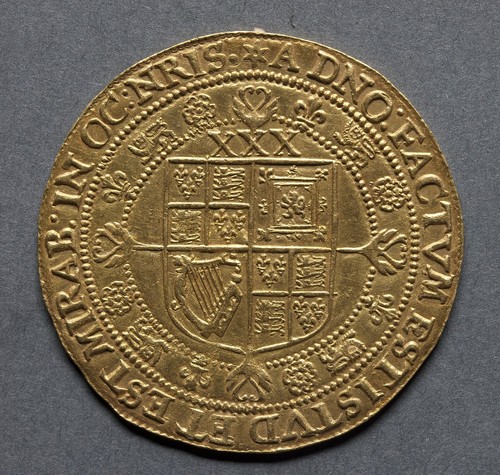
Edward IV Ryal
c. 1465-1470
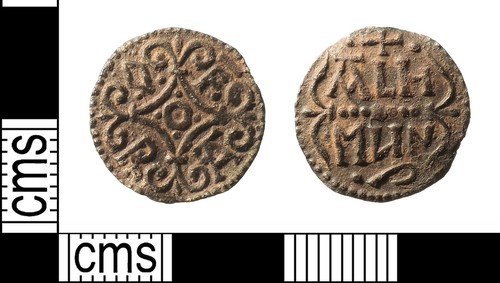
Penny of Offa
c. 757-796 (8th century)
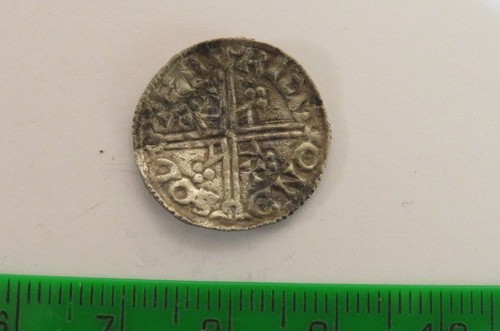
Medieval Penny
c. 8th-15th century
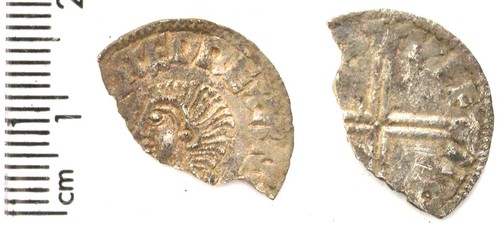
Penny of Aethelred II
978-1013
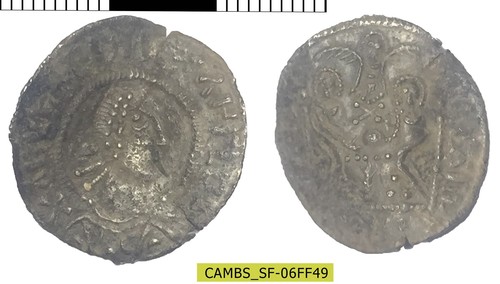
Penny of Alfred the Great
c. 871-899 (late 9th century)
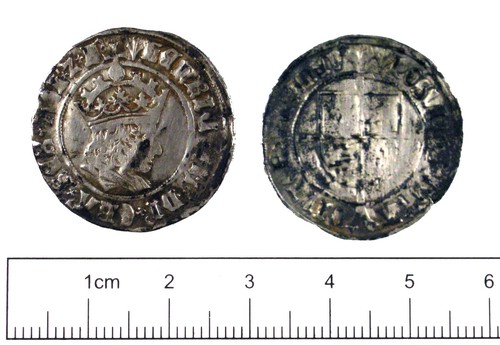
Henry VII Groat
1485-1509
Edward V Angel
1483
Edward IV Half Groat
1461-1483
Penny of Cnut
1024-1030
Henry VII Sovereign
1485-1509
Long Cross Penny
1247-1279 (13th century)
Anglo-Saxon Styca
8th-9th century