
How to Identify the Edward I Groat
Collector checks for the rare early fourpence: crowned bust, long-cross reverse, size versus the penny, look-alikes, and authentication cautions.
Read the full Edward I Groat encyclopedia entry →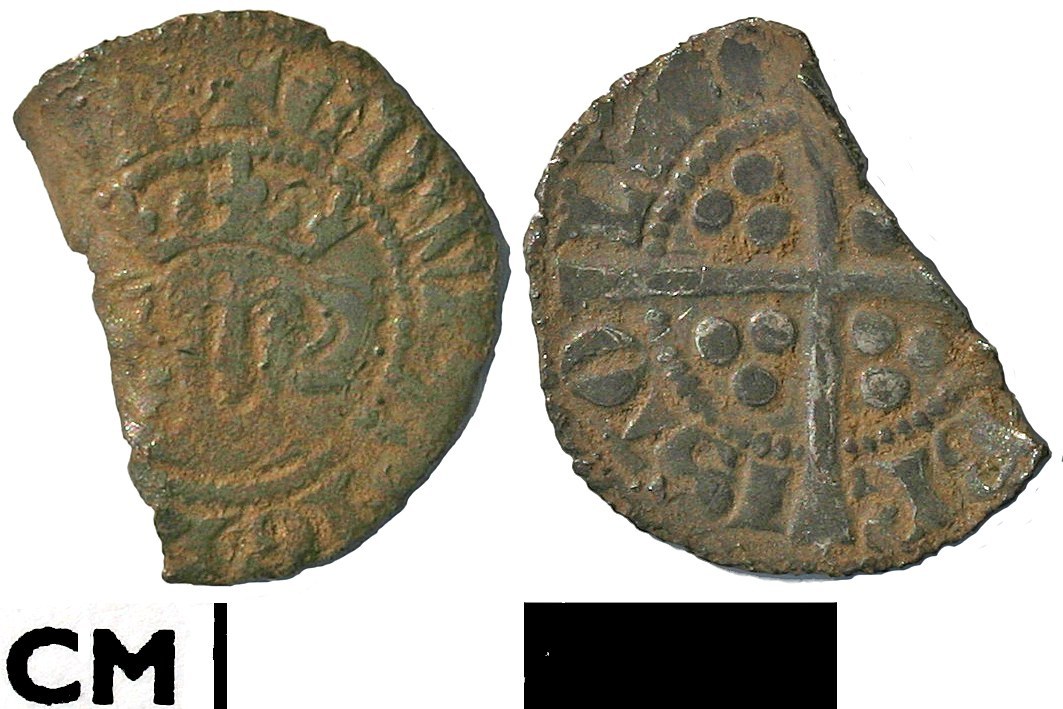
Start with the two design elements on the coin in front of you. The obverse shows a crowned head of Edward I in profile-facing style, usually ringed by a Latin legend, while the reverse carries a long voided cross that extends to or beyond the inner circle, with a group of pellets in each of the four quarters. This crowned-bust and long-cross-with-pellets combination is the signature of Edward's silver coinage.
The decisive step is separating the groat from the penny. Both share very similar imagery, so the difference is one of scale: the groat is a fourpence and is distinctly larger and heavier than the ordinary penny. Measure the diameter and weigh the coin, then compare against reference figures for the fourpence rather than the penny. A small coin with this design is almost certainly a penny; the groat should feel like a broader, more substantial piece.
Read the reverse cross carefully. The long cross dividing the reverse into quarters, each filled with pellets, is standard for the period and helps confirm the type and reign, but on its own it does not prove denomination. Use it together with size and the style of the crown, bust, and lettering to place the coin, and note the legends where legible.
Watch for look-alikes. The far more common groats of Edward III and later kings use a similar crowned facing bust and long-cross reverse and are easily mistaken for the rare Edward I issue; differences in bust style, lettering, and mint details distinguish them. Continental fourpence-size coins and, importantly, modern reproductions of the scarce Edwardian groat also circulate among collectors.
Authenticate before you trust the attribution. Because genuine Edward I groats are rare and valuable, they are a natural target for fakes and hopeful misidentification. Look for crisp hand-struck detail rather than the soft surfaces or seams of casts, check that weight and diameter match a real fourpence, and for any coin of value seek an experienced dealer or specialist opinion and secure provenance before accepting or paying for it as a true Edward I groat.
Frequently asked questions
How do I tell an Edward I groat from an Edward I penny?
They share a crowned bust and long-cross reverse, so use size and weight. The groat is a fourpence and is clearly larger and heavier than the penny; a small coin with this design is normally a penny.
Could my coin actually be a later groat?
Very possibly. Groats of Edward III and later kings look similar and are far more common. Bust style, lettering, and mint details separate them, so compare carefully before assuming an Edward I attribution.
What does the reverse cross with pellets tell me?
The long voided cross with pellets in the quarters is standard for Edward's silver coinage and helps confirm the reign and type, but it does not by itself prove the coin is a groat rather than a penny.
How can I be sure an Edward I groat is genuine?
Given their rarity, treat every attribution cautiously. Check that size and weight fit a fourpence, look for sharp hand-struck detail rather than cast softness, and get specialist authentication and provenance for anything valuable.