
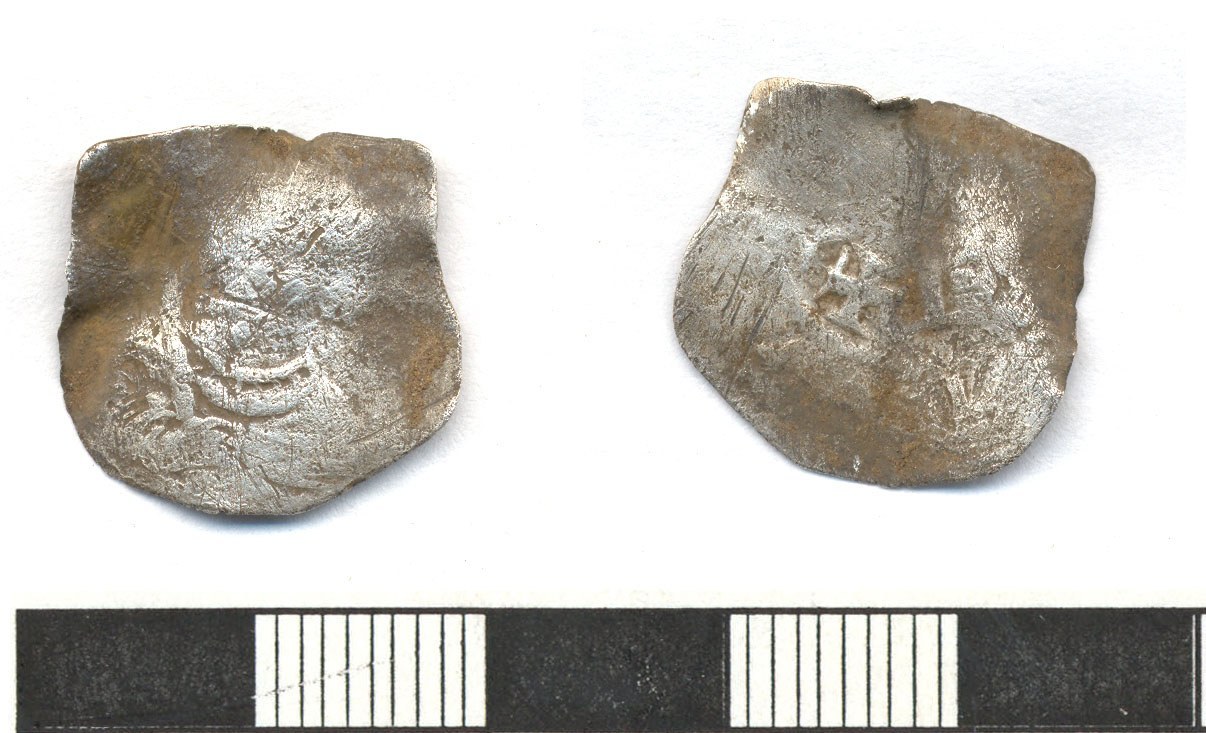
Tealby Penny
Silver penny of Henry II, the Tealby or Cross-and-Crosslets type, with a crowned royal bust and a voided cross bearing small crosslets in its angles.
- Country
- England
- Denomination
- Penny
- Metal
- Silver
Got a coin like this?
Identify any coin from a photo, free.
Overview
The Tealby Penny is a hammered silver penny of King Henry II of England, and the example shown carries a crowned facing bust of the king on the obverse with a voided cross and small crosslets on the reverse. This was the single substantive coinage of Henry II's early reign and served as the everyday money of England for roughly two decades.
The type takes its popular name from the great hoard of these coins unearthed at Tealby in Lincolnshire in 1807. Numismatists more formally call it the Cross-and-Crosslets coinage after the reverse design, a plain voided cross with a small cross or crosslet set in each angle. Tealby pennies are famous for their frequently crude striking, so well-centered, fully legible examples are prized by collectors.
History & Background
Henry II reigned from 1154 to 1189 and founded the Plantagenet dynasty, inheriting a realm whose coinage had been debased and disrupted during the civil war of Stephen's reign known as the Anarchy. In 1158 he introduced a reformed penny of good silver, the Cross-and-Crosslets or Tealby type, struck to restore confidence in the currency across a wide network of provincial and royal mints.
The coinage was produced from about 1158 until it was replaced by the Short Cross penny in 1180. Each coin named its moneyer and mint in the reverse legend, continuing the long English practice of accountability for weight and fineness. Despite the good metal, the dies and striking were often careless, and the type is remembered as much for its ragged workmanship as for its role in stabilizing English money after the Anarchy.
How to Identify
Look for a small, thin, hand-struck silver coin, broadly in the range of about 18-21 mm across and light in the hand, usually with an irregular outline and often weakly or unevenly struck. The obverse shows a crowned bust of the king, typically facing, holding a scepter, surrounded by a Latin legend naming Henry, generally a form of HENRICVS REX (Henry, King).
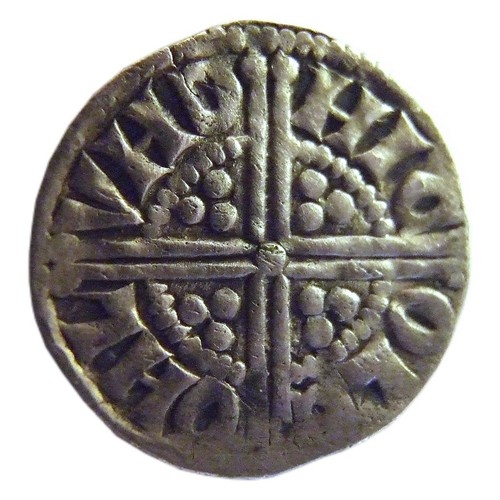
The reverse is built around a voided cross that extends to or near the edge, with a small cross or crosslet placed in each of the four angles, encircled by a legend giving the moneyer's name and the mint town rather than a date. Because Tealby pennies carry no year, the crown-and-bust style, the cross-and-crosslets reverse, and the legends are the keys to attribution. Wear and weak striking commonly leave the portrait and parts of the legend flat or off the flan.
Value & Collectibility
Tealby pennies survive in reasonable numbers thanks to large hoards such as the Tealby find, so value is driven mainly by strike quality, completeness of the legends, mint, moneyer, and overall condition. Because the type is so often crudely or partially struck, coins with a clear crowned portrait, full round flan, and legible mint and moneyer names carry a strong premium over the many ragged, off-center examples.
Common mints and heavily worn or clipped pieces are the most affordable, while scarcer mints and moneyers and sharply struck coins bring considerably more. As with all early hammered silver, cracks, chips, bending, and harsh cleaning reduce value, and reproductions exist. Treat any single figure as approximate and check recent auction results and expert opinion before buying or selling.
Frequently asked questions
Why is it called a Tealby penny?
The name comes from a large hoard of these coins discovered at Tealby in Lincolnshire in 1807. Numismatists also call the type the Cross-and-Crosslets coinage after its reverse design.
Which king issued the Tealby penny?
Henry II, the first Plantagenet king of England, who reigned from 1154 to 1189. He introduced this reformed silver penny in 1158 to restore the currency after the civil war under Stephen.
Is the coin real silver?
Yes. The Tealby penny was struck in good silver and was the standard everyday coin of England. It is a small, thin, hand-struck piece rather than a large heavy coin.
Why is there no date on the coin?
Medieval English pennies are not dated. The reverse names the moneyer and mint instead, and specialists place the coin from its design, style, and legends within roughly 1158 to 1180.
Why are so many Tealby pennies poorly struck?
The type is notorious for careless dies and uneven striking, so many surviving coins are off-center or weak. This is why fully struck, legible examples are especially valued by collectors.
Tealby Penny guides
In-depth guides for identifying, valuing, and collecting Tealby Penny.
Other coins you may enjoy
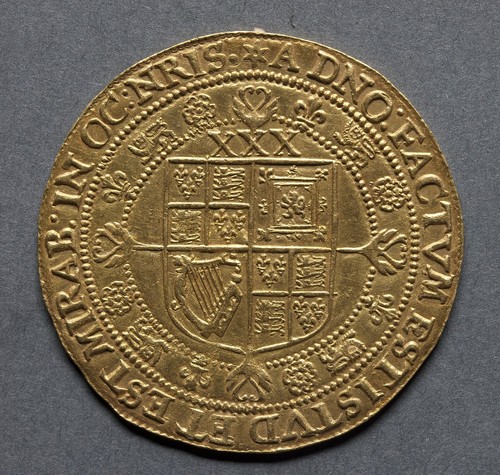
Edward IV Ryal
c. 1465-1470
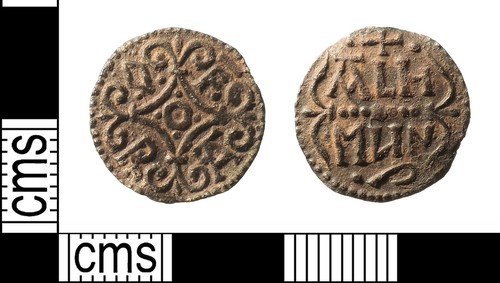
Penny of Offa
c. 757-796 (8th century)
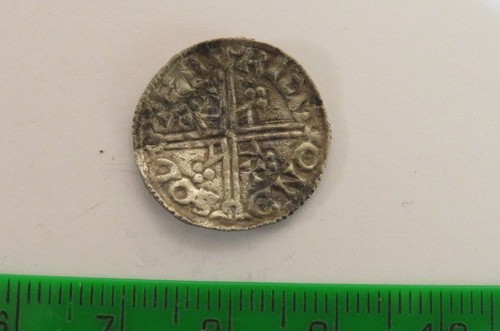
Medieval Penny
c. 8th-15th century
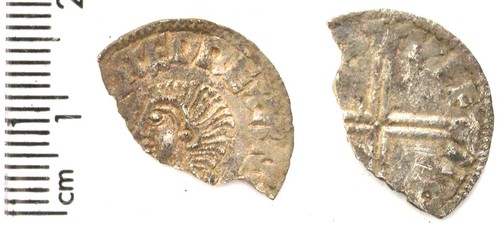
Penny of Aethelred II
978-1013
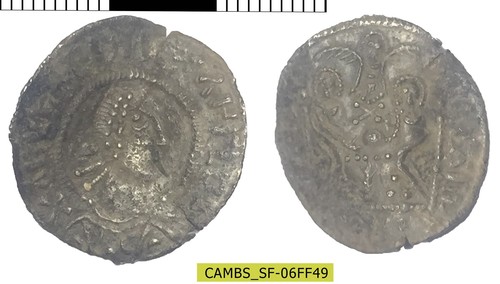
Penny of Alfred the Great
c. 871-899 (late 9th century)
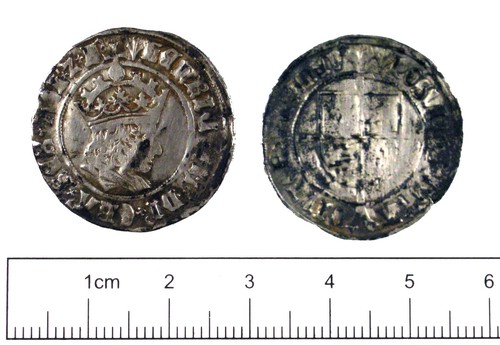
Henry VII Groat
1485-1509
Edward V Angel
1483
Edward IV Half Groat
1461-1483
Penny of Cnut
1024-1030
Henry VII Sovereign
1485-1509
Long Cross Penny
1247-1279 (13th century)
Anglo-Saxon Styca
8th-9th century