
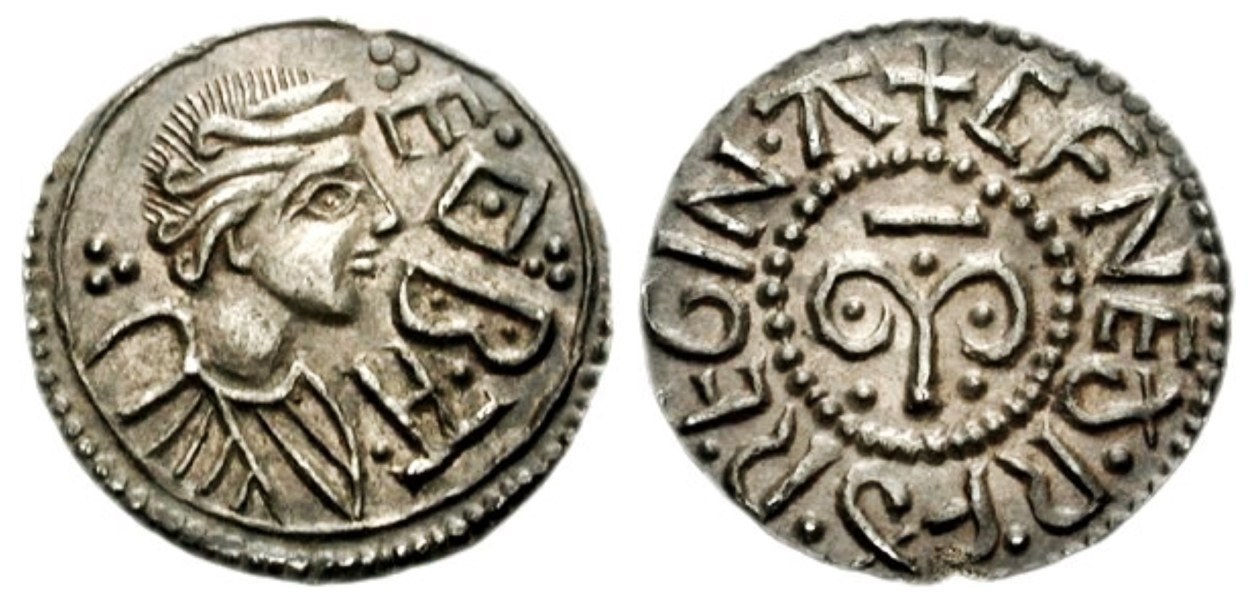
Penny of Cynethryth
Anglo-Saxon silver penny of Cynethryth, queen of Mercia and wife of Offa, and the only Anglo-Saxon queen named on her own coinage.
- Country
- England
- Denomination
- Penny
- Metal
- Silver
Got a coin like this?
Identify any coin from a photo, free.
Overview
The Penny of Cynethryth is a thin, broad silver coin of the kingdom of Mercia, struck in the second half of the 8th century. The example shown carries a right-facing bust with an inscription around the rim naming the queen, while the other face bears a stylized arrangement of lettering and geometric ornament. It belongs to the reformed silver penny coinage introduced in England during the reign of King Offa.
Cynethryth was the wife of Offa, the powerful Mercian king, and she is the only Anglo-Saxon queen known to have had coins issued in her own name. The portrait draws on the imagery of Roman and Byzantine empresses, giving the coin an unusual classical flavor for its period. Surviving examples are exceptionally rare, and the type is prized as one of the most historically remarkable coins of early medieval England.
History & Background
Cynethryth was queen consort of Mercia during the reign of Offa, who ruled from about 757 to 796 and dominated much of southern England. Her coinage was produced within Offa's reformed penny system, which replaced the earlier small, thick sceattas with a broader, thinner silver penny that would remain the standard English coin for centuries. The dies naming Cynethryth are generally placed in the 770s to 790s, during the height of Offa's power.
The coins were struck by a named moneyer, most closely associated with the moneyer Eoba, whose name appears in the design; production is linked to the mint at Canterbury in Kent, then under Mercian control. The concept of placing a queen's name and bust on coinage almost certainly imitates late Roman and Byzantine practice, in which empresses appeared on official currency. No other Anglo-Saxon queen received the same honor, which makes the Cynethryth penny a singular statement of royal status and a reflection of Offa's ambition to present his dynasty in imperial terms.
How to Identify
Look for a small, thin silver coin roughly 17-20 mm across and light in weight, on the order of about 1 to 1.3 grams, consistent with the early broad penny standard. The obverse shows a bust facing right with a legend around it that includes the queen's name in Latinized Anglo-Saxon lettering (a form of CYNEĐRYĐ, sometimes with a title such as REGINA for queen). The lettering uses early medieval letter forms, including characters that look unfamiliar to modern eyes.
The reverse carries a decorative, geometric arrangement of lettering rather than a scene, typically incorporating the moneyer's name (associated with Eoba) set within or around ornamental borders. Genuine examples are hand-struck from individually engraved dies, so centering, lettering, and style vary from coin to coin. Because so few specimens exist, any candidate should be compared carefully against published records of the known type.
Value & Collectibility
The Penny of Cynethryth is an extreme rarity: only a very small number of genuine specimens are recorded, and most reside in museums or long-established collections. When an authentic example reaches the market it is a major numismatic event, and prices reach into the high four figures and well beyond, depending on condition, completeness of the legends, and provenance. There is no ordinary retail price for this type.
Because the coin is so scarce and desirable, provenance and expert authentication dominate its value far more than for common medieval pennies. Well-documented examples with a clear collecting history command the strongest results, while any unattributed piece should be treated with caution. Treat all figures as broad context rather than fixed valuations, and rely on specialist auction records and recognized authorities for any real assessment.
Frequently asked questions
Who was Cynethryth?
Cynethryth was queen of Mercia and the wife of King Offa, who ruled much of England in the late 8th century. She is the only Anglo-Saxon queen known to have had coins struck in her own name.
Why is this coin so important?
It is the only English coinage naming a queen in the Anglo-Saxon period, making it a unique statement of royal status that drew on Roman and Byzantine imperial imagery.
What metal is it?
It is silver, part of the reformed broad penny coinage introduced under Offa that replaced the earlier thick sceattas.
Where and when was it made?
It was struck in Mercian-controlled Kent, with production linked to Canterbury and the moneyer Eoba, during the reign of Offa in roughly the 770s to 790s.
How rare is it?
Extremely rare. Only a handful of genuine examples are known, most held in museums or major collections, so it very seldom appears for sale.
Penny of Cynethryth guides
In-depth guides for identifying, valuing, and collecting Penny of Cynethryth.
Other coins you may enjoy
Edward IV Ryal
c. 1465-1470
Penny of Offa
c. 757-796 (8th century)
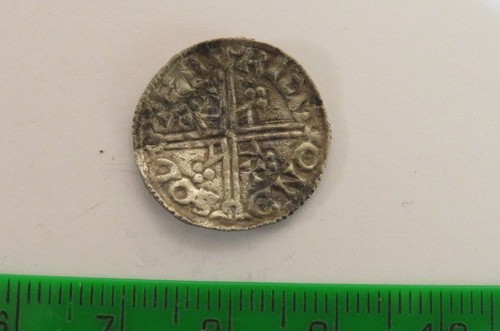
Medieval Penny
c. 8th-15th century
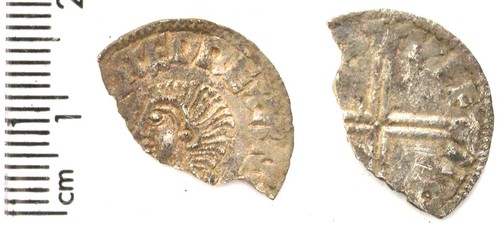
Penny of Aethelred II
978-1013
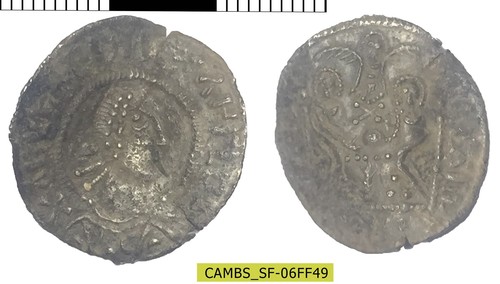
Penny of Alfred the Great
c. 871-899 (late 9th century)
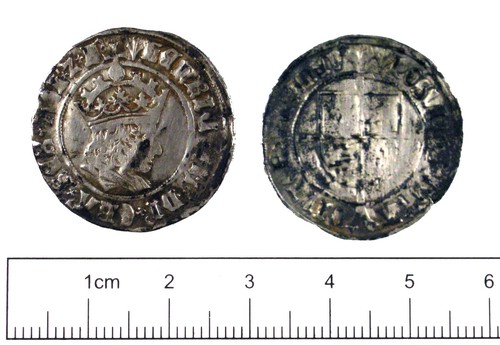
Henry VII Groat
1485-1509
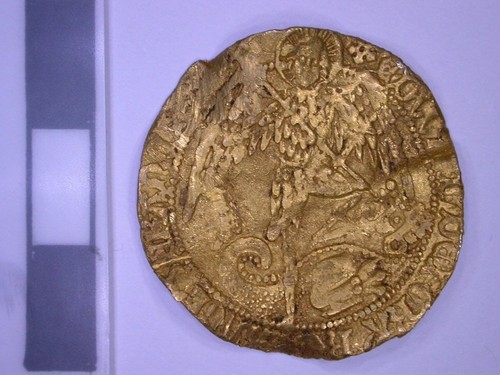
Edward V Angel
1483
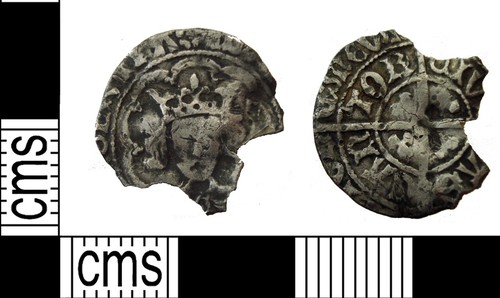
Edward IV Half Groat
1461-1483
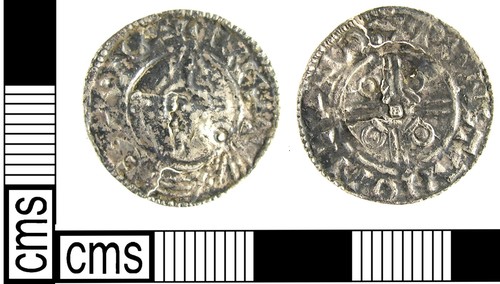
Penny of Cnut
1024-1030
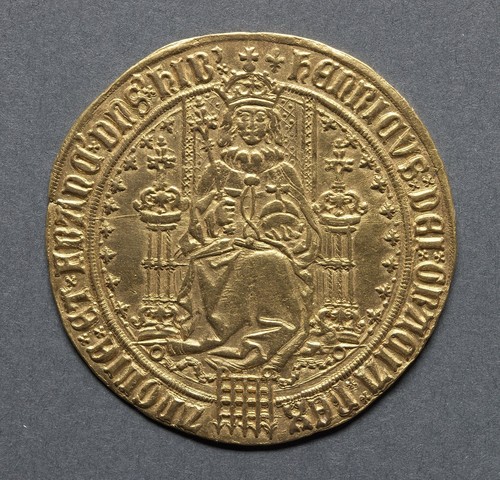
Henry VII Sovereign
1485-1509
Long Cross Penny
1247-1279 (13th century)
Anglo-Saxon Styca
8th-9th century