
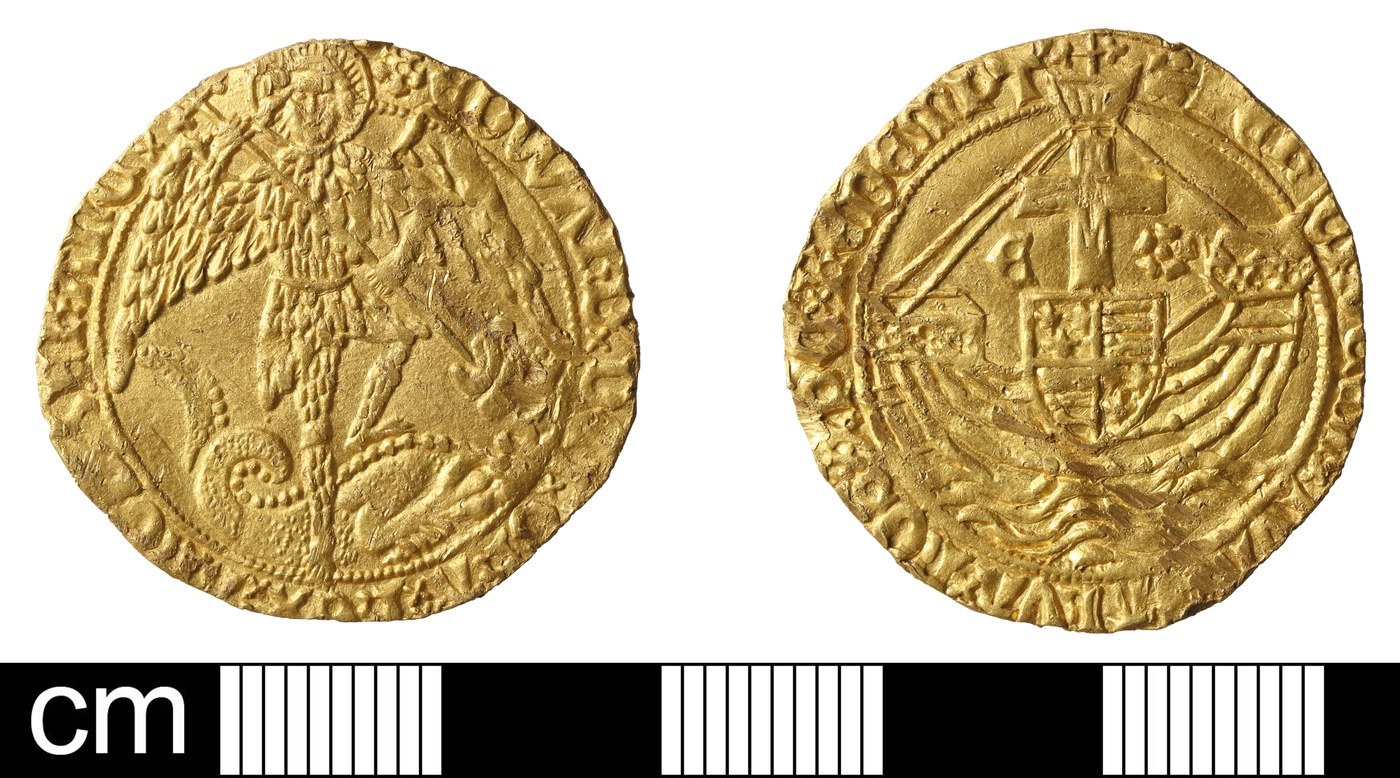
Edward IV Angel
Medieval English gold coin showing Saint Michael the Archangel slaying a dragon-demon, with a heraldic cross-and-shield reverse.
- Country
- England
- Denomination
- Angel
- Metal
- Gold
Got a coin like this?
Identify any coin from a photo, free.
Overview
The Edward IV Angel is a medieval English gold coin, and the example shown carries the type's defining image: Saint Michael the Archangel standing over a demon, driving a spear into it, with a shield on his arm. The reverse bears a heraldic design built around a ship bearing a cross and a royal coat of arms, framed by elaborate ornament and a Latin legend.
The angel was introduced during the reign of Edward IV as a new gold denomination, taking its name from the archangel who dominates the obverse. Struck in gold and rich in religious symbolism, it became one of the most recognizable coins of late medieval England and the direct ancestor of the angels struck by later Tudor and Stuart monarchs.
History & Background
Edward IV reigned as King of England in two spells, from 1461 to 1470 and again from 1471 to 1483, a period spanning much of the Wars of the Roses. Early in his first reign the coinage was reformed, and the angel was introduced as a gold denomination alongside a reduced-weight gold noble, replacing the older heavy noble that had become undervalued against the rising price of gold.
The design drew on continental models showing Saint Michael the Archangel triumphing over the devil, an image loaded with the idea of good conquering evil and the king as a defender of the faith. Because the angel was gold and bore this sacred image, it later became the coin traditionally used in the royal ceremony of "touching for the King's Evil," though that association grew strongest under the Tudors and Stuarts. The denomination outlasted Edward IV by well over a century.
How to Identify
Look for a thin gold coin showing a standing, winged Saint Michael in armor, spear thrust downward into a small demon or dragon beneath his feet, usually with a cross-topped shield. A Latin legend naming Edward runs around the edge. The obverse figure is the single most diagnostic feature of the type.
The reverse centers on a ship whose hull bears a shield with the royal arms and a tall cross rising from it, often with rays, a sunburst, or a crown and the king's initial in the fields, all surrounded by ornate detail and a pious Latin motto. Genuine coins carry a small mint mark (initial mark) at the start of the legend that helps date the issue within the reign, and the striking is hand-hammered, so slight irregularity of shape and centering is normal rather than a fault.
Value & Collectibility
The Edward IV angel is a scarce, high-value medieval gold coin sought by serious collectors, so even worn genuine examples command significant sums, and well-struck, sharply detailed pieces can be worth considerably more. As a hand-hammered gold coin from the 15th century, condition, completeness of the legends, strength of the Saint Michael figure, and the specific initial mark all strongly influence price.
Because of its gold content, age, and desirability, this type is a frequent target for counterfeits and modern replicas, and market prices vary widely by variety and grade. Any specific figure should be treated as approximate and checked against recent auction results and a specialist's opinion; authentication is strongly advised before buying or selling.
Frequently asked questions
Why is it called an "angel"?
The coin is named for the archangel Saint Michael shown on the obverse, spearing a demon. The image gave the whole gold denomination its popular name.
Who was Edward IV?
Edward IV was King of England during the Wars of the Roses, reigning from 1461 to 1470 and again from 1471 to 1483. The angel was introduced as a new gold coin in his reign.
Is the Edward IV angel made of gold?
Yes. The angel is a gold denomination, a thin hand-hammered coin. Its gold content is part of why surviving examples are valuable and closely studied.
What is on the reverse?
The reverse shows a ship carrying a shield with the royal arms and a tall cross, surrounded by ornate detail and a Latin motto, rather than a portrait.
Is this the coin used to cure the "King's Evil"?
The gold angel became the coin traditionally used in the royal healing ceremony, though that custom is most associated with later Tudor and Stuart reigns than with Edward IV himself.
Edward IV Angel guides
In-depth guides for identifying, valuing, and collecting Edward IV Angel.
Other coins you may enjoy
Edward IV Ryal
c. 1465-1470
Penny of Offa
c. 757-796 (8th century)
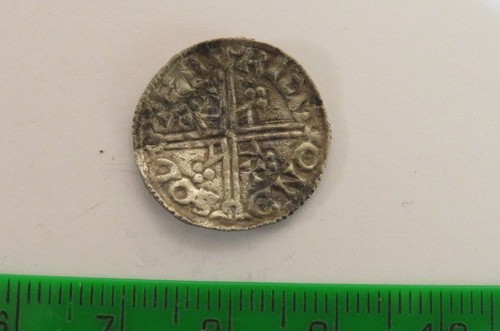
Medieval Penny
c. 8th-15th century
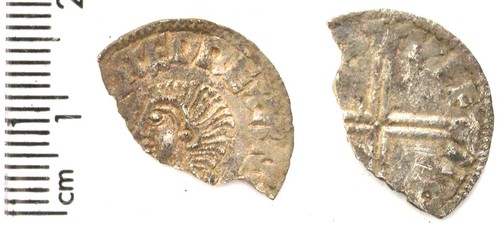
Penny of Aethelred II
978-1013
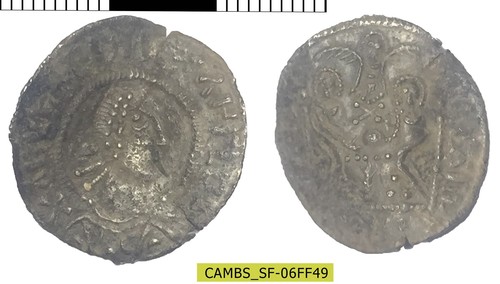
Penny of Alfred the Great
c. 871-899 (late 9th century)
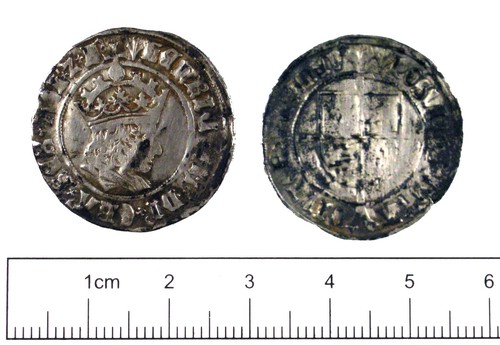
Henry VII Groat
1485-1509
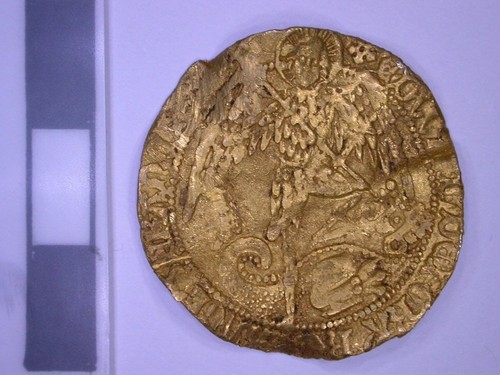
Edward V Angel
1483
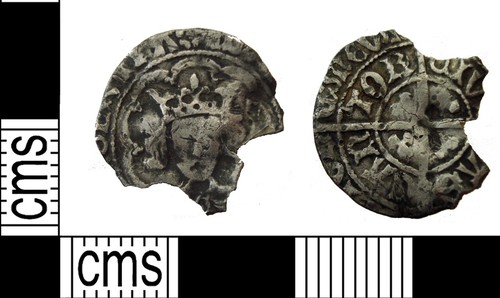
Edward IV Half Groat
1461-1483
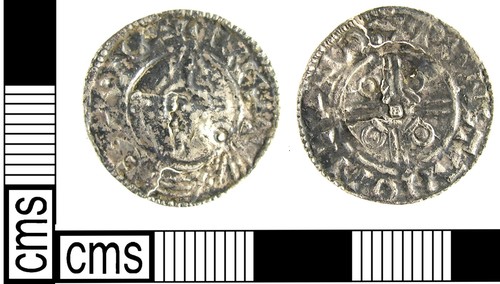
Penny of Cnut
1024-1030
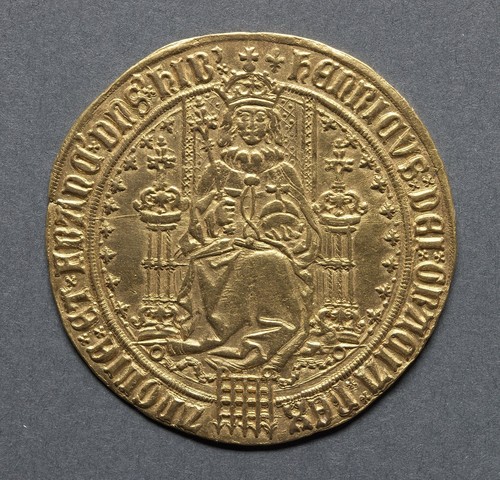
Henry VII Sovereign
1485-1509
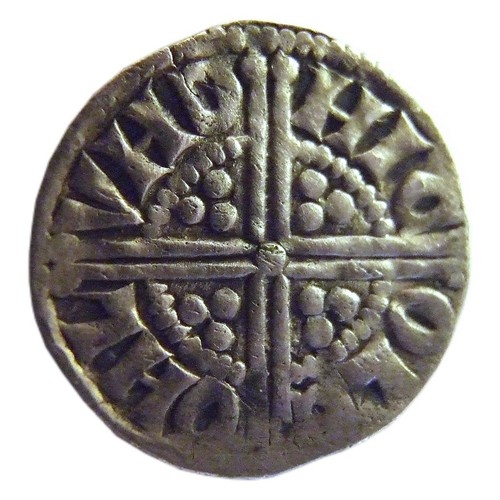
Long Cross Penny
1247-1279 (13th century)
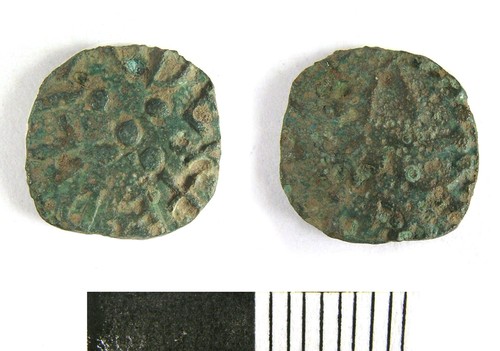
Anglo-Saxon Styca
8th-9th century